US Poised to Allow Saudi Uranium Enrichment Amid Nuclear Cooperation Talks
Washington's potential deal with Riyadh raises concerns over nuclear proliferation and impacts UK and EU energy and security interests.
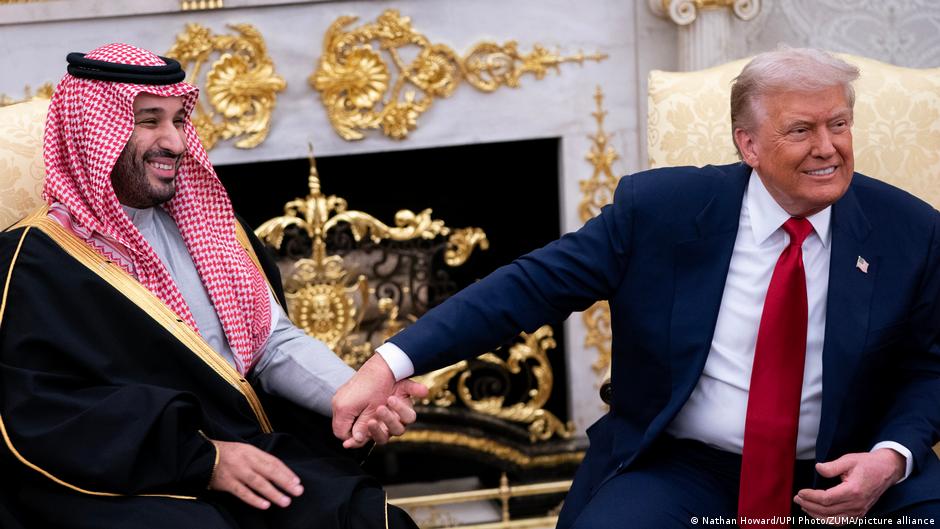
The Trump administration has signaled preliminary approval for Saudi Arabia to enrich uranium without stringent International Atomic Energy Agency (IAEA) safeguards, according to reports. This development could pave the way for Riyadh to acquire nuclear weapons capabilities, raising significant geopolitical and economic implications for the UK and Europe.
Implications for UK and European Business and Security
The proposed bilateral agreement between the United States and Saudi Arabia aims to support the Kingdom's civil nuclear energy program. However, the absence of commitments requiring Saudi Arabia to adopt the IAEA's Additional Protocol — which enhances inspection powers to detect undeclared nuclear activities — has sparked alarm among experts.
"Allowing uranium enrichment without robust verification increases the risk of nuclear proliferation," said one analyst familiar with the negotiations. "For European and British security, this development demands careful monitoring given the potential regional destabilization it could cause."
From a business perspective, the deal introduces uncertainties in the energy markets. The UK and European Union markets, closely linked with sterling and London financial institutions, may experience volatility as geopolitical tensions in the Middle East affect global oil and energy supplies.
Saudi Arabia’s nuclear ambitions come amid its broader economic diversification efforts, promising opportunities for UK and European companies involved in nuclear technology, infrastructure, and consultancy. Yet, the geopolitical risks may influence investment decisions and insurance costs in these sectors.
Notably, Saudi Crown Prince Mohammed bin Salman previously stated that Riyadh would pursue nuclear weapons if Iran developed such capabilities. This explicit linkage elevates concerns over a possible nuclear arms race in the Gulf region.
"If Iran develops nuclear weapons, Saudi Arabia will follow suit," warned the Saudi Crown Prince, highlighting the security dilemma faced by Western allies.
Although negotiations on the nuclear cooperation agreement were concluded in autumn 2025, the document has yet to be signed by President Donald Trump. Sources indicate that escalating tensions, including the US and Israeli military actions against Iran, have contributed to the delay.
For London’s markets and policymakers, the evolving situation demands vigilance. The potential shift in Middle Eastern nuclear dynamics could affect sterling through risk premiums on energy imports and investor confidence. Additionally, the UK’s role in non-proliferation diplomacy may come under renewed focus as the EU and its member states assess their strategic responses.
As the US-Saudi nuclear agreement awaits finalization, British and European stakeholders are poised to weigh the balance between economic engagement opportunities and the imperative to uphold regional and global security frameworks.