Russia Proposes Expanding Criminal Convicts Eligible for Military Contracts Amid Mobilization
Russian government seeks to broaden legal grounds for recruiting convicted criminals, raising concerns for UK and EU markets and sterling stability.
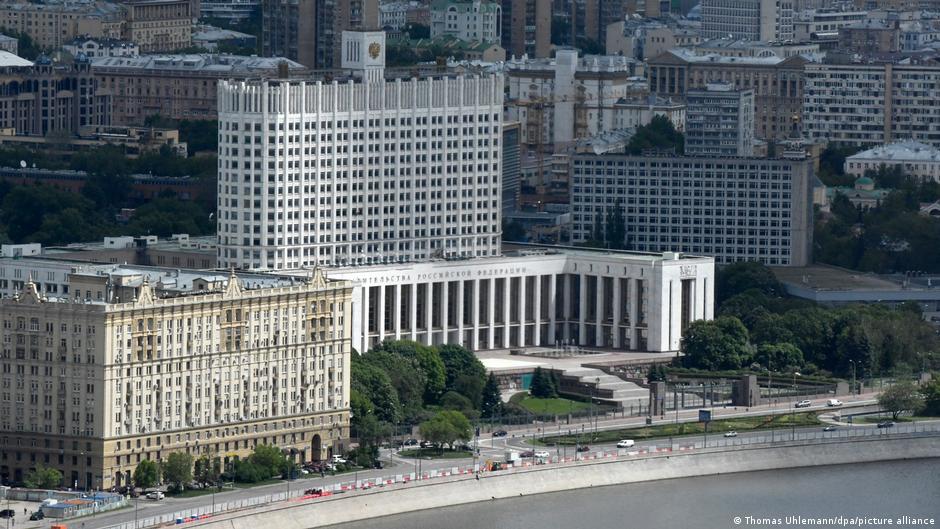
The Russian government has submitted a bill to the State Duma proposing an expansion of the list of criminal offenses that would allow individuals convicted under these articles to sign contracts with the Ministry of Defence during mobilization, martial law, or wartime. This legislative move includes offenses such as banditry, organized crime involvement, and drug smuggling.
The bill, registered on July 17, aims to amend Article 34 of the Federal Law "On Military Duty and Military Service" and Article 78 of the Russian Criminal Code. It explicitly allows people convicted for participation in banditry (Part 2, Article 209), membership in organized crime groups (Part 2, Article 210), drug smuggling (Article 229.1, excluding some instances of organized group smuggling), illegal migration organization (Part 2, Article 322.1), and possession or trafficking of nuclear or radioactive materials, among other offenses, to serve under contract in the military during times of mobilization.
Implications for UK and European Business and Financial Markets
While the Russian explanatory note claims the bill will not have negative socio-economic or financial consequences domestically, the move is likely to reverberate internationally, particularly affecting British and European business interests. Analysts warn this policy signals an increased militarization effort by Moscow, potentially prolonging the conflict in Ukraine and exacerbating geopolitical instability in the region.
"This legislative change hints at Russia’s deepening reliance on unconventional recruitment amid manpower shortages, which may unsettle commodity markets and investor confidence."
The UK and EU have already been managing the economic fallout from the conflict, including energy supply disruptions and volatile currency markets. The British pound sterling, sensitive to global risk sentiment and commodity price fluctuations, may experience further pressure if the military escalation in Russia continues.
Financial markets in London are closely monitoring these developments. Increased uncertainty regarding Russia’s domestic policies and military capacity could trigger shifts in investment strategies, particularly in sectors linked to energy and defense. European companies with exposure to Russian supply chains might also face increased risks, affecting broader market stability.
Moreover, the policy highlights Moscow’s ongoing efforts to boost contract military personnel numbers amid dwindling voluntary enlistment. Recent measures include debt forgiveness for new contract enlistees, recruitment drives abroad including Belarus and China, and even coercive tactics reportedly employed within Russian regions to compel men to sign military contracts.
These developments come against the backdrop of Russia’s partial mobilization declared in late 2022, which remains in effect. The persistence of these initiatives suggests a protracted conflict scenario, complicating prospects for peace and economic recovery in Europe.
For UK policymakers and business leaders, the evolving Russian military recruitment strategy is a critical indicator of Moscow’s resilience and strategic priorities. It underscores the need for continued vigilance and adaptive measures to mitigate risks to the UK economy and European security architecture.