US Strikes on Iran Escalate Amid Tensions Impacting UK and EU Markets
US military actions against Iran target infrastructure, prompting concerns over regional stability and London market reactions.
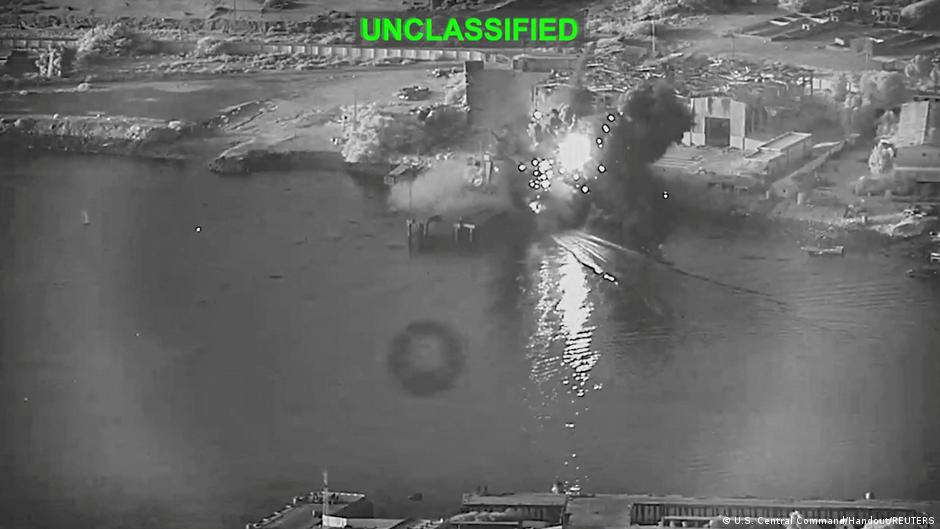
The United States has launched a new series of military strikes on Iran, aiming to further diminish the country's military capabilities, according to US Central Command (CENTCOM). These continued operations, which began on the evening of July 16, have targeted several bridges, airports, and energy infrastructure across Iran, intensifying longstanding regional tensions.
These developments have drawn significant attention from European and British financial markets, where uncertainty regarding Middle Eastern stability often translates into increased volatility in sterling and commodity prices.
Details of the Strikes and Regional Responses
According to Iranian state media and other sources, the US strikes hit critical civilian infrastructure, including three bridges in the Hormozgan coastal province. Residential areas in the port city of Bandar Abbas and an electrical substation on Kish Island in the Persian Gulf were also reportedly damaged. The strikes extended to areas near the airports of Bandar Abbas and Iranshahr. Notably, explosions were reported in Bushehr, home to Iran's sole civilian nuclear power plant.
"The US continues its campaign to further weaken Iran's military potential," CENTCOM stated, emphasizing ongoing military pressure.
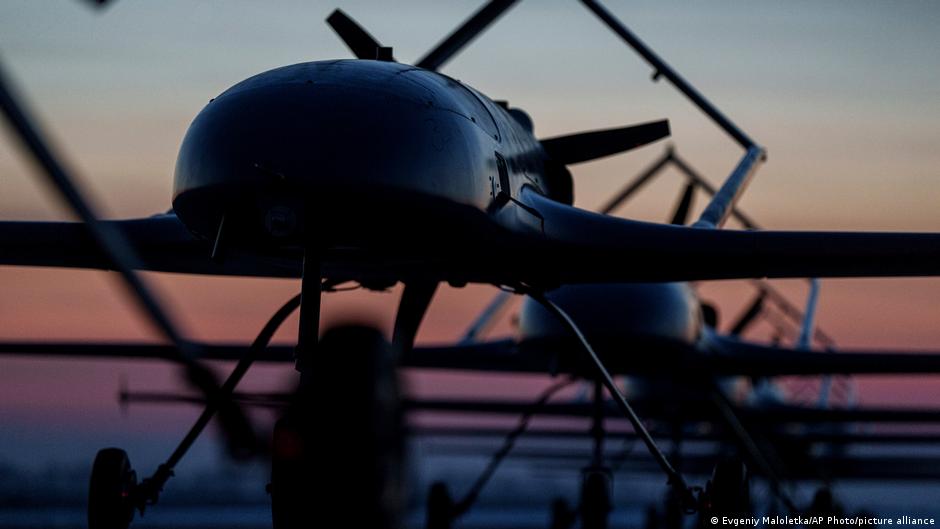
Casualty reports indicate at least three fatalities and 15 wounded as a result of the strikes. In retaliation, Iran’s Islamic Revolutionary Guard Corps (IRGC) announced joint counterattacks alongside the national army targeting American military assets in the region. Reports suggest drone attacks aimed at US helicopters and reconnaissance aircraft stationed at the Al-Sakhir airbase in Bahrain.
Kuwaiti defense officials confirmed that their air defense systems intercepted Iranian missiles and drones, while Bahrain activated its civil defense sirens in response to the threats, highlighting the escalation’s regional impact.
Implications for UK and European Interests
The instability in the Persian Gulf is of acute concern to the United Kingdom and the European Union due to the vital shipping lanes and energy supplies passing through the Strait of Hormuz—a strategic chokepoint for global oil exports. The recent attacks follow a June 17 framework agreement aimed at halting hostilities and lifting blockades around the strait. However, the agreement’s fragility was exposed after an Iranian kamikaze drone attack on a civilian tanker on June 25, to which the US responded with further strikes.
Market analysts in London noted that heightened geopolitical risks have led to fluctuations in the sterling exchange rate and increased risk premiums on energy commodities. Investors are closely monitoring statements from US President Donald Trump, who declared at a NATO summit in Ankara that the memorandum with Iran is no longer valid and claimed that the US has assumed control over the Strait of Hormuz. Trump also warned that US strikes would persist "until he says it's enough" and threatened attacks on Iranian infrastructure if negotiations fail.
These developments underscore the potential for prolonged instability in a region critical to British and European energy security. The London markets are likely to remain sensitive to further military escalations or diplomatic breakthroughs affecting oil supply and regional trade routes.
Outlook
As US-Iran tensions continue to escalate, the UK and EU face the challenge of balancing diplomatic engagement with economic and security interests. Ensuring the free flow of energy resources through the Strait of Hormuz remains a priority, as disruptions could have far-reaching consequences for European energy markets and broader economic stability.