Ukraine Proposes New Prime Minister Sergey Koretsky Amid Government Reshuffle
President Zelensky nominates Sergey Koretsky as Ukraine’s next prime minister, signaling potential shifts in Kyiv’s economic and defense policies impacting UK and EU interests.
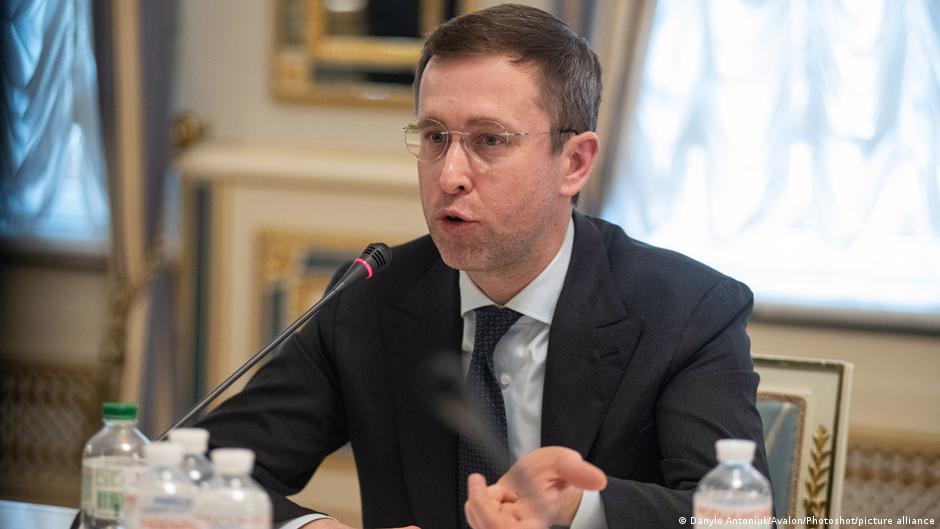
Ukraine's parliament, the Verkhovna Rada, has received a formal proposal from President Volodymyr Zelensky to appoint Sergey Koretsky as the new prime minister. The parliament is scheduled to vote on July 16 to approve Koretsky’s appointment along with the new Cabinet of Ministers.
This move follows the resignation of former Prime Minister Yulia Svyrydenko, which the Verkhovna Rada accepted on July 14, effectively dissolving the entire government. Svyrydenko had led the government since July 17, 2025.
Implications for UK and EU Relations and Markets
Among the candidates considered for the premiership were four notable figures: Sergey Koretsky, head of Naftogaz; Energy Minister Denys Shmyhal; Defense Minister Mykhailo Fedorov; and Kharkiv Mayor Ihor Terekhov. Following comprehensive consultations, President Zelensky selected Sergey Koretsky as the most suitable candidate.
Koretsky’s background as head of Ukraine’s national energy company, Naftogaz, is particularly relevant to British and European interests, given Ukraine’s role in energy transit and security in the region. His appointment is likely to impact Ukraine’s energy policies and negotiations, affecting market stability in London and across EU financial hubs.
"Sergey Koretsky’s leadership in Naftogaz positions him uniquely to manage Ukraine’s energy strategy during this critical period," experts suggest.
The new cabinet will also see significant changes in defense leadership. Mykhailo Fedorov is expected to be replaced as Minister of Defense by Ihor Klymenko, currently the head of Ukraine’s Ministry of Internal Affairs. Ivan Vygovsky is likely to succeed Klymenko. The Ministry of Foreign Affairs will maintain continuity under Andriy Sybiha.
These shifts come at a time when Ukraine’s defense and diplomatic strategies are closely monitored by the UK and EU, both key partners in supporting Ukraine amid ongoing geopolitical challenges. The changes could influence military aid policies and diplomatic coordination between Kyiv, London, and Brussels.
Financial markets in London and across Europe are expected to respond to these political realignments, especially considering Ukraine’s pivotal position in regional security and energy supplies. Sterling could see volatility depending on how investors interpret the potential for policy changes under the new government.
Overall, the swift parliamentary vote planned for July 16 underscores the urgency of stabilizing Ukraine’s government amid continuing external pressures, with significant implications for British and European economic and security interests.