Germany Defends International Criminal Court Amid US Campaign, Impacting UK and EU Relations
German Foreign Minister supports ICC as US targets court, raising concerns for London and European markets over international legal order and sterling stability.
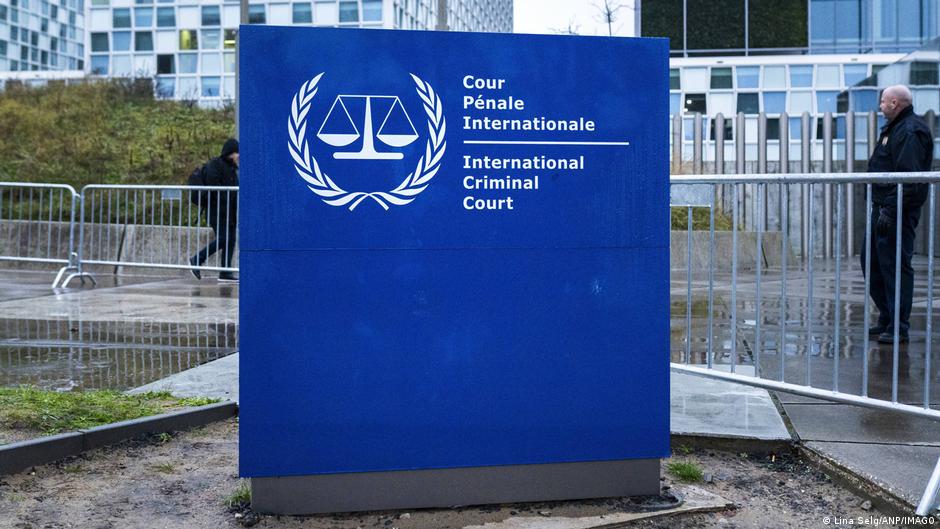
The International Criminal Court (ICC), a cornerstone of the global legal framework, has come under renewed pressure from the United States, prompting strong defenses from European leaders amid concerns about the implications for UK and EU interests.
German Foreign Minister Upholds ICC's Role
Johann Wadephul, Germany's Foreign Minister, publicly backed the ICC following Washington’s announcement of a broad campaign against the court. In an interview with German media, Wadephul emphasized the court’s vital role in "making the world safer and fairer" by prosecuting some of the gravest crimes against humanity, including the recruitment of child soldiers.
"Possible shortcomings are no reason to question the very existence of this important institution and its achievements," Wadephul stated, underscoring Berlin’s commitment to supporting an independent international judiciary and a rules-based global order.
His endorsement reflects broader European support for the ICC, which the UK and EU regard as crucial for upholding international justice and stability. These institutions fear that US antagonism toward the court could undermine multilateral legal mechanisms essential for global cooperation.
Brussels Rejects US Sovereignty Claims
Echoing Germany’s defense, European Commission spokesperson Anwar al-Anuni dismissed Washington’s assertion that the ICC threatens US sovereignty. He clarified that the court is not aimed at sovereign states and poses no threat to national sovereignty.
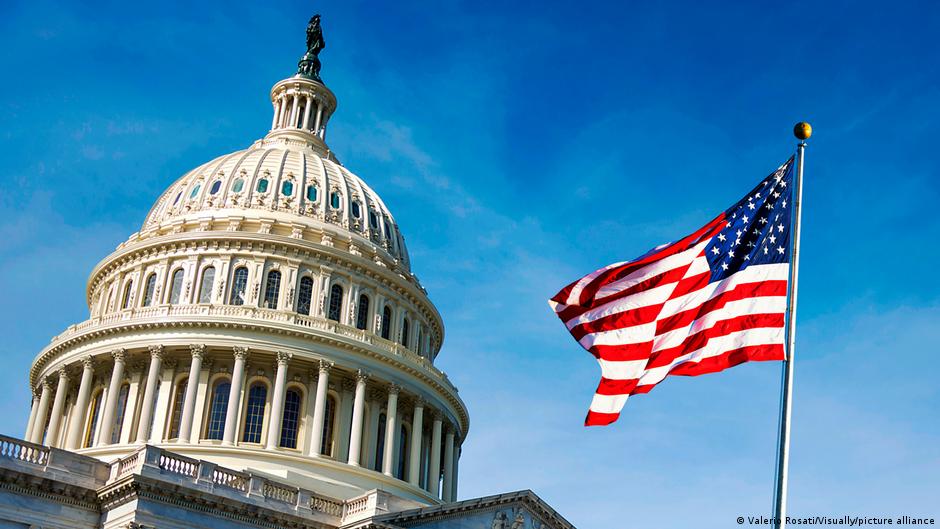
This response comes after the US State Department accused the ICC of attempting to prosecute American military personnel and officials operating abroad, criticizing the court for exceeding its jurisdiction. The US, which has never ratified the Rome Statute establishing the ICC, views the court’s investigations into US actions as an "unacceptable threat" to national sovereignty.
Washington’s campaign includes diplomatic efforts to persuade other nations to exit the ICC framework, restrictions on ICC personnel, and intensified sanctions — steps that London and Brussels are monitoring closely, given their potential to destabilize international legal cooperation.
Implications for UK and European Business Environment
For the UK and EU, the US campaign against the ICC raises concerns beyond legal principles. The dispute risks complicating transatlantic relations, potentially affecting regulatory alignment and cooperation in security and defense sectors.
London’s financial markets, sensitive to geopolitical stability, are particularly attentive to any shifts that could signal weakening international institutions or rising political tensions. Sterling could face volatility if the conflict escalates, especially given the UK's role as a hub for international law firms and arbitration services linked to the ICC framework.
Moreover, European businesses operating globally depend on a stable international order underpinned by enforceable legal norms — the ICC’s position as an impartial adjudicator is a crucial element in this ecosystem. Undermining the court risks increasing legal uncertainty, which could have ripple effects on investments and cross-border commercial disputes.
US Strategic Legal Pressure and European Response
The US has framed its approach as a legal counteroffensive rather than a military one, with Secretary of State Marco Rubio describing it as a fight using "legal norms, international agreements, and the power of so-called international law." The Biden administration reversed some Trump-era sanctions on the ICC in 2021, yet the current stance signals a continued strategic push to limit the court's jurisdiction over US nationals.
European capitals, including London and Berlin, face the challenge of balancing strong ties with Washington while defending multilateral institutions vital to their interests. The ICC debate thus encapsulates broader tensions in transatlantic cooperation, with significant implications for international law, diplomacy, and economic stability.
As the US-led campaign unfolds, the UK and EU’s responses will be critical in maintaining the integrity of international legal frameworks and safeguarding the stability of sterling and London’s position as a global financial centre.