Russian Forces Launch Combined Airstrike on Izium, Impacting Civil Infrastructure
Russian military strikes on Izium in Ukraine’s Kharkiv region cause civilian casualties and damage to local assets, raising concerns for regional stability.

On the night of July 15, Russian Armed Forces executed a combined attack on the city of Izium in Ukraine's Kharkiv region. The strike reportedly involved precision-guided air bombs and Shahed-type drones, according to the Izium city military administration.
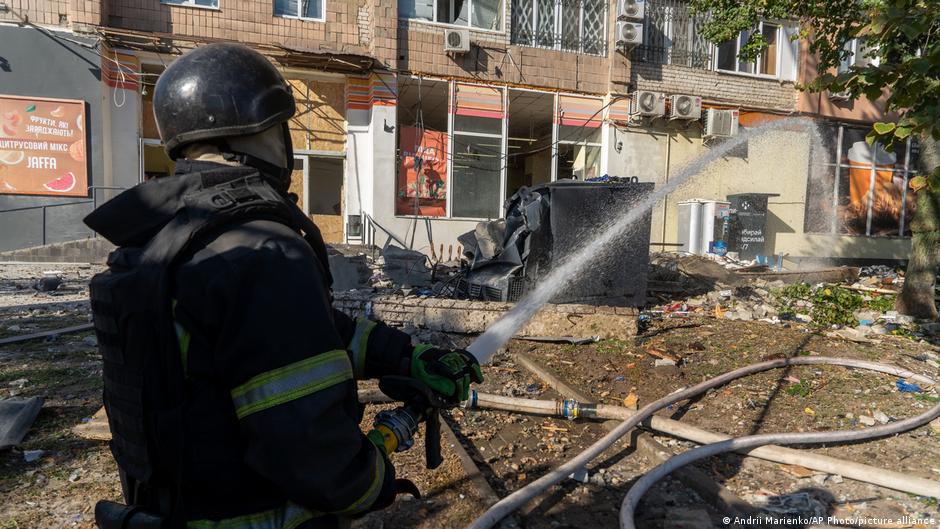
Preliminary reports indicate casualties among the civilian population, alongside significant damage to civil infrastructure and private property. Local authorities have confirmed the destruction of communal enterprise assets, agricultural machinery, and private homes, with resulting fires complicating the situation.
Air raid sirens were sounded multiple times throughout the night, emphasizing the ongoing threat to the local population.
Implications for UK and European Economic Interests
The recent escalation around Izium, an important regional hub, poses additional challenges for British and European economic interests in Eastern Europe. The damage to infrastructure not only disrupts local economies but also has ripple effects on commodity flows, particularly agricultural exports that are vital to the European market.
London markets are already sensitive to developments in the region, with sterling experiencing volatility in response to geopolitical tensions. Investors remain cautious about potential destabilization impacting trade routes and energy supplies, which directly influence European energy costs and inflationary pressures.
"The ongoing conflict and infrastructure damage around Izium threaten to exacerbate supply chain disruptions that are critical for both UK and European markets," an industry analyst noted.
Moreover, the use of drones and guided munitions signals a continued escalation in the conflict’s technological dimension, raising concerns over the security of airspace and the potential for broader regional disruptions.
On July 5, a previous strike on Izium resulted in one death and injuries to at least three women, with collateral damage including a destroyed gas station and damaged vehicles. The repetition of such attacks underscores the volatility in the region and the need for vigilant monitoring by European security and business stakeholders.
As London and European capitals evaluate the impact of such incidents, there is an increased focus on ensuring the resilience of supply chains and safeguarding investments tied to Eastern European markets amid ongoing conflict-related uncertainties.