Rising German Military Service Refusals Impact UK-EU Security and Sterling Markets
Germany's surge in military service refusals reflects security tensions and could influence UK and European defense collaboration and financial markets.
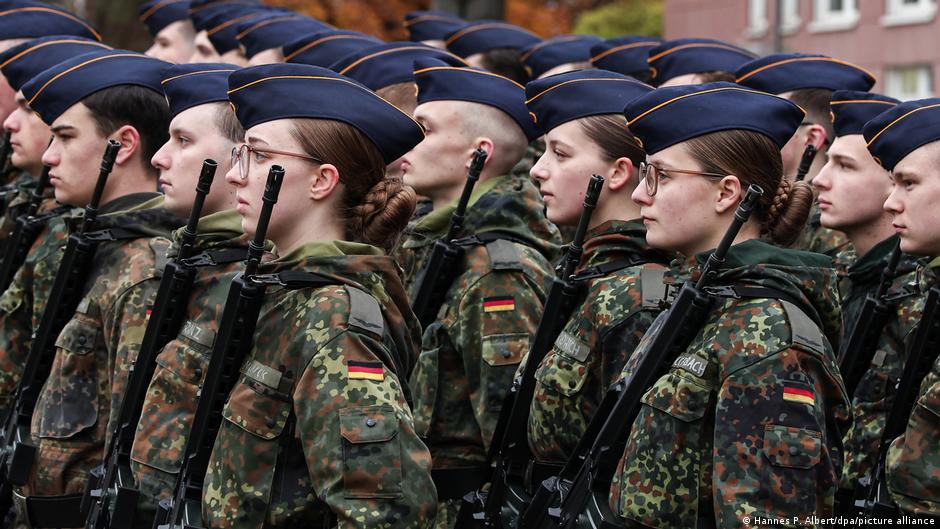
Germany has witnessed a sharp increase in refusals of military service in the first half of this year, with implications extending beyond its borders to the UK and European Union. The Federal Office for Family and Civil Society Affairs (BAFzA) reported 5,862 formal objections to military conscription by June 30, 2026, a significant rise compared to 3,867 in 2025 and 2,998 in 2024.
Security Concerns and Legislative Reforms Drive Surge
The surge is attributed to escalating security tensions in Europe and a recent reform to the German military conscription law enacted on January 1, 2026. This legislation prepares for potential reintroduction of compulsory military service, paused since 2011, amid growing defense challenges on the continent.
From July 1, 2027, all 18-year-old males in Germany will undergo mandatory medical evaluations to assess fitness for military duty, regardless of voluntary enlistment decisions. The legislation also allows partial reinstatement of compulsory service—termed "military obligation as needed"—should voluntary recruitment fall short of targets.
"By 2035, Germany plans to expand its active military personnel from 186,000 to 260,000," underscoring a broader European trend towards enhanced defense readiness.
While conscription was suspended in 2011, it remains constitutionally enshrined, including protections for conscientious objection under Article 4, Paragraph 3 of Germany's Basic Law. The refusal right applies not only to new conscripts but also to reservists and active service members.
The evolving German military stance holds particular importance for the UK and EU, especially amid heightened geopolitical risks in Eastern Europe and the Baltic region. Increased German military capacity and recruitment policies will impact NATO's collective defense strategies, where UK and European forces operate in close coordination.
Market and Sterling Implications
Financial markets in London have closely monitored these developments. Investors assess how heightened security concerns and Germany's defense policy shifts may affect broader European stability and economic prospects. Sterling's performance could be influenced indirectly through altered risk perceptions and defense expenditure outlooks within the European bloc.
As Germany moves toward strengthening its armed forces, collaboration with the UK in defense technology, intelligence sharing, and joint military exercises is likely to intensify, potentially benefiting British defense firms listed on London’s stock exchange.
Notably, some individuals previously refusing military service have withdrawn their objections, signaling a complex public response to the changing defense environment. In 2025, 781 such reversals were recorded, with 233 in the first quarter of 2026.
Germany's military policy trajectory will remain a key factor for UK-European security relations and financial market dynamics as Europe navigates evolving geopolitical challenges.