US Strikes on Iran Near Strait of Hormuz Heighten Tensions Affecting UK-EU Trade Routes
New US military actions against Iran threaten stability in the Strait of Hormuz, a vital corridor for British and European energy supplies.
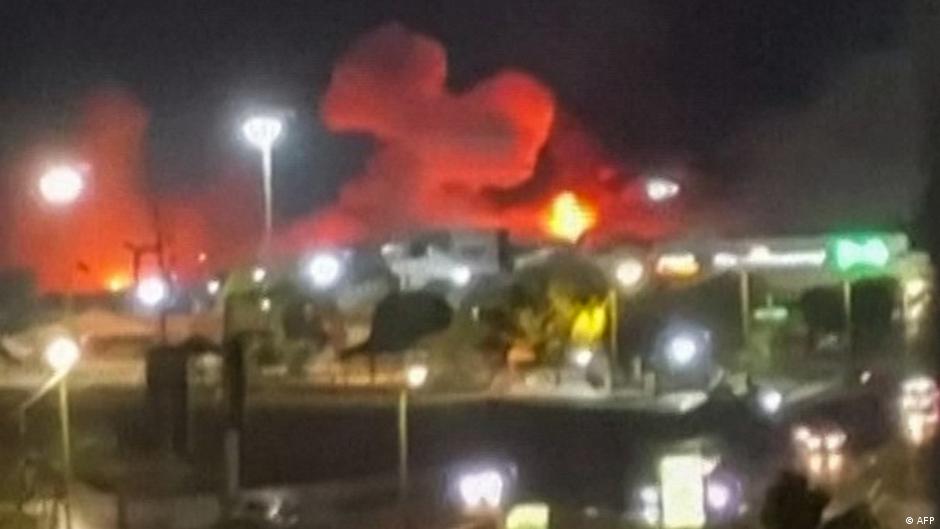
The United States has launched fresh military strikes targeting Iranian positions near the Strait of Hormuz, a critical maritime passage through which around 20 percent of the world’s oil trade flows. These operations aim to diminish Iran's capacity to threaten commercial and civilian vessels navigating this strategic waterway, a development with significant repercussions for British and European energy markets.
Striking at the Heart of Global Energy Security
In the early hours of July 13, the US Central Command (CENTCOM) announced a new wave of attacks designed to curb Iran’s ability to disrupt freedom of navigation through the Strait of Hormuz. This followed Iran’s retaliatory actions against Gulf countries after US strikes on July 12 targeted roughly 140 Iranian military sites, including missile depots and drone facilities.
"The Supreme Commander ordered these strikes to deter the Iranian regime," CENTCOM stated, underscoring the strategic intent behind the military escalation.
The Iranian Revolutionary Guards Corps (IRGC) responded by declaring the Strait "closed until further notice," intensifying fears of prolonged disruption. However, US authorities have firmly rejected Tehran’s claim of control, affirming that maritime traffic continues unabated.
Implications for UK and European Energy Interests
The Strait of Hormuz is a vital artery for oil exports reaching the UK and Europe, making the recent hostilities a direct concern for energy security and market stability. London-based energy firms and commodity traders closely monitor developments, as any sustained blockage or threat to shipping lanes could cause supply shocks and sterling volatility.
British and EU economies remain vulnerable to fluctuations in crude prices due to their reliance on imported energy. Heightened tensions risk exacerbating freight insurance costs and shipping delays, which in turn may ripple through fuel prices and inflation across Europe.
London’s financial markets have exhibited cautious responses, with investors wary of geopolitical risks impacting commodities and currency markets. Sterling’s sensitivity to energy price swings means that uncertainties surrounding the Strait’s accessibility could influence exchange rates and investor confidence.
Diplomatic and Security Challenges Ahead
Efforts to stabilize the region have faced setbacks despite a framework agreement signed on June 17 intended to halt hostilities and reopen the waterway. Iranian attacks on commercial vessels have persisted since late June, prompting repeated US military responses and mutual accusations of ceasefire violations.
Notably, in early July, US President Donald Trump announced the suspension of the prior memorandum with Iran and renewed oil sanctions, escalating diplomatic tensions. Informal negotiations have occurred, with some Iranian officials acknowledging missteps by "uncontrolled elements" within their system. Nonetheless, talks concluded without resolution, leaving the strategic corridor’s future uncertain.
For the UK and European Union, the situation underscores the fragility of the energy supply chain and the need for strategic contingency planning. Enhanced naval coordination, diversified energy sourcing, and diplomatic engagement remain critical to managing risks posed by continued conflict in this geopolitically sensitive area.