US Strikes on Iran Escalate, Impacting Strait of Hormuz and European Energy Markets
US military actions against Iran following attacks near the Strait of Hormuz disrupt oil exports and affect London market stability.
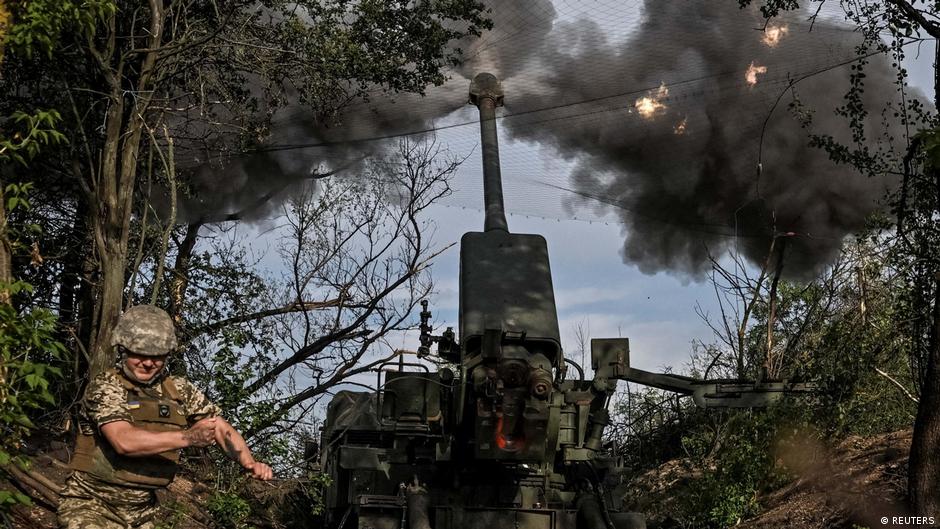
In a critical development affecting global energy supply and European markets, the United States has launched its third series of military strikes against Iran within a week. The latest attacks come after the Iranian Revolutionary Guard Corps (IRGC) targeted a civilian container ship, the GFS Galaxy, navigating through the strategically vital Strait of Hormuz.
Implications for UK and European Energy Security
The Strait of Hormuz, a narrow waterway through which approximately 20 percent of the world's traded oil passes, has been closed following these hostilities. This closure poses significant concerns for oil supply security in the UK and the broader European Union. European energy markets, already sensitive to geopolitical tensions, have witnessed increased volatility in response to these disruptions.
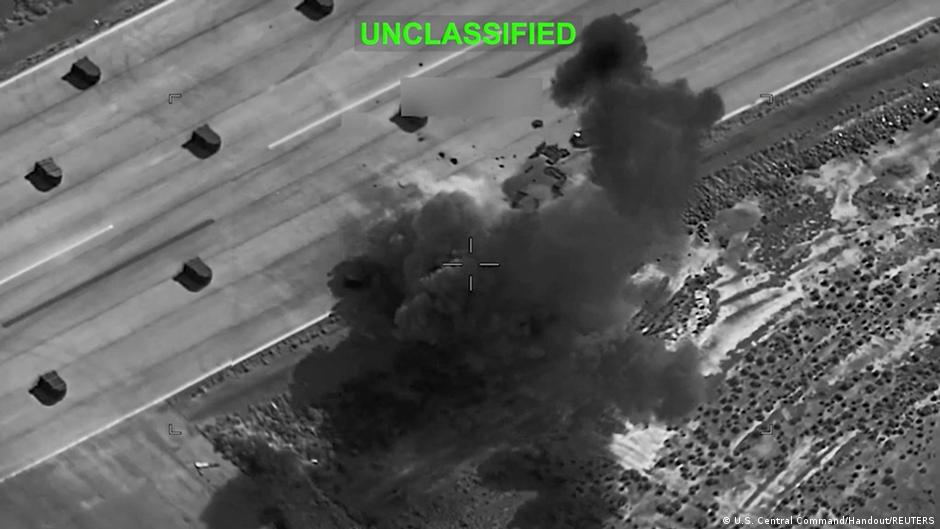
The container ship GFS Galaxy, flying the Cypriot flag, suffered significant damage after the IRGC's attack, including a fire and extensive harm to its engine room. One crew member remains missing. US Central Command (CENTCOM) indicated that the strikes were a direct response aimed at reducing Iran's capacity to threaten civilian maritime navigation.
"Iran was given another chance to comply with the Memorandum of Understanding but failed again," CENTCOM stated. "The United States is delivering significant damage to degrade Iran's ability to attack civilian mariners and commercial vessels passing freely through the Strait."
US Defense Secretary Pete Hegseth succinctly summed up the US position, stating, "Iran made the wrong choice. Now they are paying for it." This statement underscores an ongoing US commitment to ensuring freedom of navigation through critical shipping lanes, vital to European energy imports.
The IRGC, however, justified its actions by claiming the container ship deviated from an Iran-approved route and disabled its navigation systems, necessitating warning shots. Tehran has declared the Strait of Hormuz closed indefinitely until US military interventions in the region cease, threatening further attacks on US military bases in the Middle East should strikes continue.
Market Reaction and Sterling Impact
The escalation has sent ripples through the London financial markets and sterling-based commodity exchanges. Oil prices surged amid fears of prolonged disruption in supply routes, sparking investor caution. British companies exposed to energy volatility, especially those reliant on imports from the Middle East, face increased risk, prompting the City of London to closely monitor further developments.
Since June 17, when the US and Iran initially agreed on a framework to de-escalate tensions and reopen crucial shipping lanes, compliance has faltered. The June 25 drone attack on a commercial tanker by Iranian forces, followed by retaliatory US strikes, marked the beginning of intensified hostilities. Subsequent incidents have involved neighboring Gulf states including Bahrain and Kuwait, with US military operations targeting Iranian radar and missile storage facilities.
At a NATO summit in Ankara on July 8, US President Donald Trump declared the Memorandum of Understanding with Iran null and void, branding Iranian leaders as "evil, sick people." While he ruled out direct negotiations, he allowed US diplomats to pursue dialogue if deemed necessary, and reinstated stringent oil sanctions against Tehran.
Despite ongoing conflict, recent reports indicate that Iranian officials have expressed willingness to engage in talks after attributing recent attacks on vessels to rogue elements within their system. This nuance provides a potential diplomatic opening that investors and policymakers in the UK and EU will be watching closely.
With tensions escalating, the UK government and European institutions are urged to assess contingency plans for energy security and to coordinate responses with US partners to safeguard commercial shipping and stabilize markets.