Russian Ballistic Missile Strikes Injure Six in Kyiv Amid Rising Civilian Toll
Night missile attacks on Kyiv cause injuries as UK and EU monitor escalating conflict and market impacts.
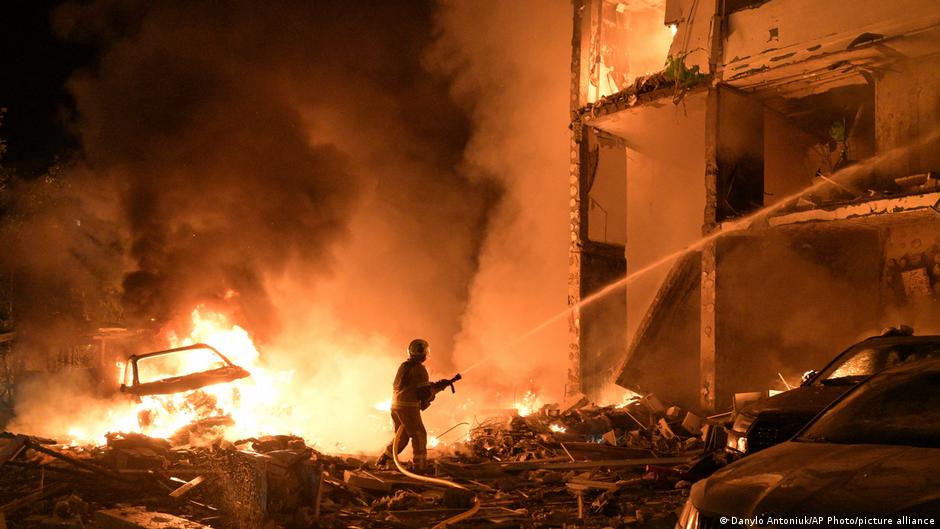
In the early hours of Saturday, 10 July, Russian forces launched a series of ballistic missile strikes on Kyiv, resulting in injuries to at least six civilians. The attacks, which occurred without prior air raid warnings, have raised concerns across the UK and European business sectors, given the ongoing instability and its implications for regional markets and energy supplies.
Details of the Kyiv Missile Attacks and Civilian Impact
The first explosions in the Ukrainian capital were reported around 03:38 local time. However, air raid sirens only sounded two minutes later in Kyiv and even later in the Kyiv region. According to local officials, including Mayor Vitali Klitschko, the strikes involved ballistic missiles targeting multiple districts across the city.
Damage assessments revealed fires at a transformer substation in the Darnytskyi district and an office building in the Solomianskyi district. Additionally, a non-residential building was hit in the Sviatoshynskyi district, and a fire broke out in another non-residential area in the Dnipro district. Emergency responders treated six injured persons, with some requiring hospitalization.
“The missile strikes occurred without timely air raid alerts, complicating civilian protection efforts during the night,” stated Kyiv’s mayor.
This escalation coincides with data from the United Nations indicating that May and June 2026 were the deadliest months for civilians since the full-scale Russian invasion. The UN Monitoring Mission recorded 274 civilian deaths in May and at least 265 in June, with over 1,800 injured. Early July has already seen 93 confirmed civilian fatalities from ongoing attacks.
Implications for UK and European Markets
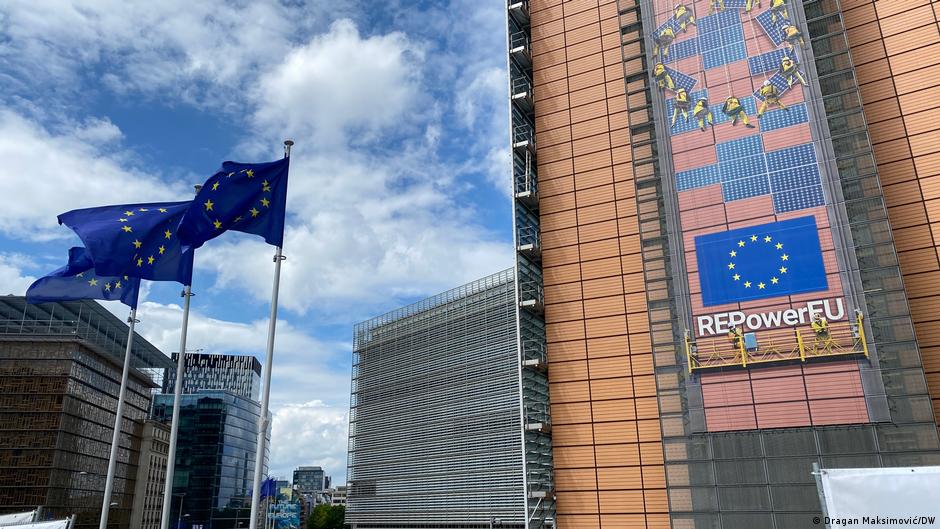
The intensifying conflict and persistent attacks on Ukraine's infrastructure have significant repercussions for British and European interests. Ukraine’s strategic use of drone strikes targeting Russian oil refineries aims to exacerbate fuel shortages in Russia, indirectly influencing global energy markets and supply chains. UK businesses closely watch these developments as disruptions can affect energy prices and market stability in London and across Europe.
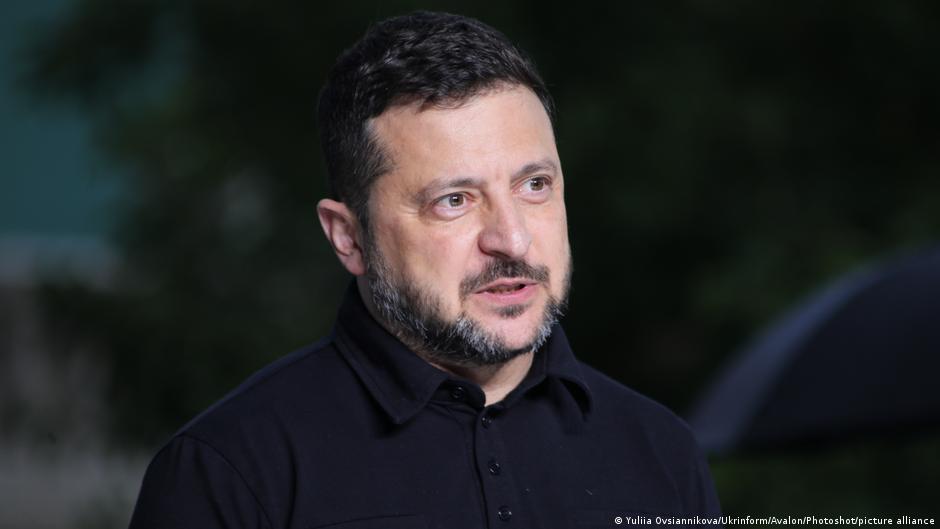
Ukrainian President Volodymyr Zelensky described these strikes as “long-range sanctions” designed to pressure Moscow into peace negotiations. He noted that despite worsening conditions in Russia, President Vladimir Putin remains committed to escalating the conflict, with an uncompromising stance on seizing the Donbas region.
These dynamics influence sterling and European currencies through heightened geopolitical risk, impacting investor confidence. London’s financial markets have responded cautiously, reflecting concerns over prolonged instability in Eastern Europe and its knock-on effects on trade and energy security.
As the conflict continues into the summer months, traditionally marked by increased civilian casualties, the UK and EU face the challenge of balancing diplomatic support for Ukraine with the need to safeguard economic interests and market stability.