Saratov Refinery Shutdown After Drone Attack Adds Pressure on Russian Fuel Market
Attack on key Russian refinery disrupts oil processing amid ongoing fuel shortages, impacting European energy dynamics and sterling exchange rates.
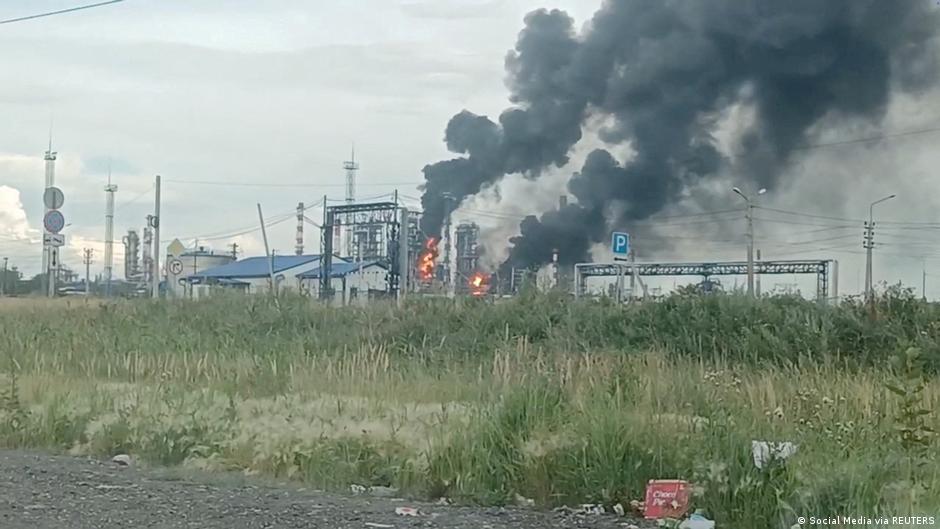
The Saratov oil refinery in Russia has ceased operations indefinitely following damage sustained in a drone strike attributed to Ukrainian forces, Reuters reports. This latest incident exacerbates an already critical fuel supply crunch within Russia, with significant implications for UK and European energy markets as well as sterling exchange rates.
Impact of the Saratov Refinery Halt on Energy and Markets
According to unnamed sources familiar with the situation, the Ukrainian unmanned aerial vehicles (UAVs) targeted the primary crude distillation unit (CDU-6) at the refinery, which has a processing capacity of up to 20,000 tonnes of crude oil per day. This unit was the only one of its kind at the Saratov facility, making its incapacitation a severe blow to production capabilities.
The regional governor, Roman Busargin, confirmed damage to "civilian infrastructure" on July 8, but did not provide specific details concerning the refinery. Meanwhile, the Ukrainian General Staff declared the strike targeted the Saratov refinery, owned by Russian oil giant Rosneft, which has been repeatedly targeted since the commencement of Russia's full-scale invasion of Ukraine.
Rosneft has not issued a public response to inquiries regarding the attack.
Analysts note that in the first half of 2026, at least 13 Russian refineries have been fully or partially shut down due to similar UAV attacks. This has effectively reduced Russia's oil refining capacity by about 25%, and gasoline and diesel production by around 30%, according to data compiled by independent media.
The shutdowns have had cascading effects on fuel availability. For instance, the Kapotnya refinery near Moscow, hit in mid-June, is not expected to resume full operations before December, prolonging the supply constraints.
The Financial Times estimates that fuel shortages affect roughly 50 million Russians—approximately 35% of the population—as of early July. Several regions have imposed gasoline rationing, while emergency readiness measures have been declared in areas such as Zabaykalsky Krai, Penza, and Irkutsk. Russia has also banned diesel exports at least until July 31, a measure intended to prioritize domestic supply.
"Russian refineries have maximized refinery loads, released stockpiled fuel, shortened maintenance periods, and postponed scheduled repairs," stated Russian Deputy Prime Minister Alexander Novak, highlighting efforts to mitigate the crisis.
From a UK and European perspective, disruptions to Russian fuel production reverberate through commodity markets, influencing crude oil prices and sterling exchange rates. London-based trading firms are closely monitoring these developments as uncertainty in Russian supply may tighten global fuel markets further, impacting retail fuel costs and inflationary pressures in Britain and across the EU.
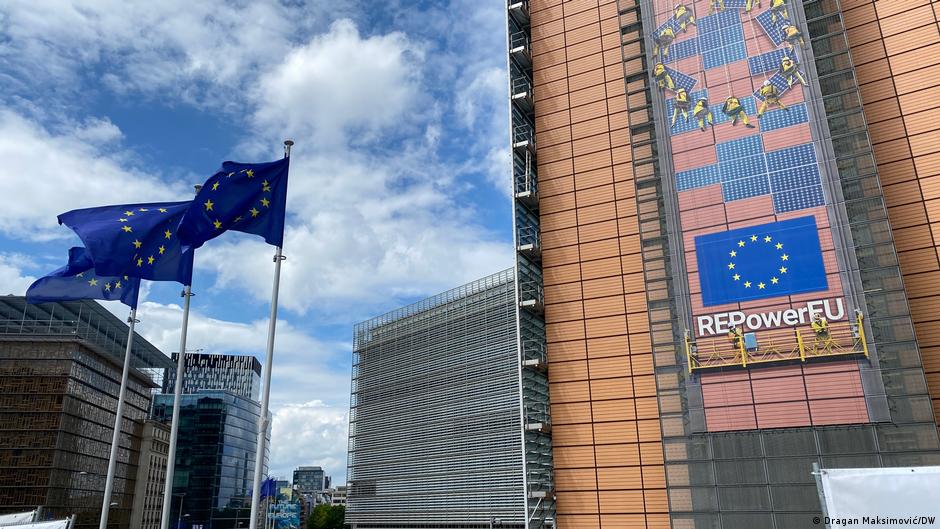
Moreover, the sustained targeting of Russian energy infrastructure underscores the geopolitical risks embedded in European energy security. The European Union continues to diversify its energy imports and accelerate renewable investments in response to such vulnerabilities.