Fuel Prices in Annexed Crimea Nearly Double Amid Russian Export Restrictions
Rising fuel costs in Crimea and parts of Russia, combined with export bans, raise concerns for UK and EU energy markets and sterling stability.
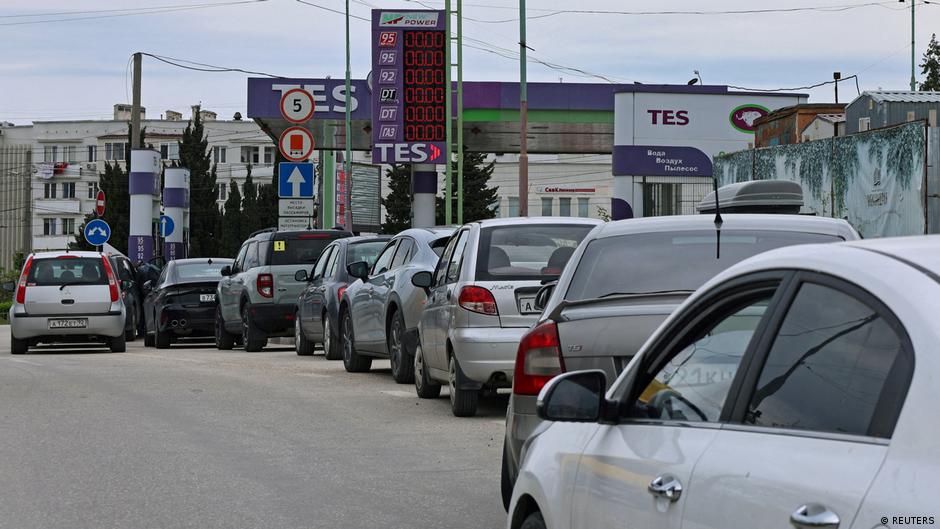
Fuel prices in the annexed Crimean Peninsula have surged dramatically, with gasoline prices nearly doubling within the first week of July. According to data from Russia's Federal State Statistics Service, the average price of fuel in Crimea increased by 78.4%, with AI-95 gasoline—the most popular grade—rising by 92% to 170.59 rubles per litre.
This spike in fuel prices comes amid increasing supply constraints in Russia, as the government imposes a ban on diesel exports from July 8 until the end of the month. The export restrictions extend to diesel, marine fuels, and gasoil, and now include producers themselves—restrictions previously limited to non-producers.
Impact on Regional and Global Energy Markets
The Russian government's move to limit fuel exports aims to stabilize the domestic market amid a growing crisis driven by Ukrainian attacks on Russian oil refineries and energy infrastructure. The resulting shortages have led to long queues at petrol stations across Russia, including in occupied territories such as Crimea and Sevastopol.
"The export ban reflects Moscow's urgent need to address internal shortages, but it also signals potential disruptions for European energy supplies reliant on Russian fuel products," energy analyst Sarah Evans noted.
For the UK and the wider European Union, these developments underscore the sensitivity of energy markets to geopolitical tensions in Eastern Europe, which have a direct bearing on sterling and London market sentiment. The surge in Russian fuel prices and export restrictions may encourage further diversification of supply chains away from Russia, influencing futures prices and currency valuations.
Fuel price inflation is not isolated to Crimea. Other Russian regions, such as Ivanovo Oblast, have seen diesel and gasoline prices rise by nearly 20%. Meanwhile, remote areas like the Republic of Tuva maintain fuel prices above 100 rubles per litre across all gasoline grades.
Russia has also relaxed ecological fuel quality standards, permitting the circulation of Euro-3 grade fuels—significantly higher in sulfur content—until the end of 2026. This move responds to supply shortages but could have environmental and regulatory implications for cross-border fuel trade.
Broader Economic and Market Implications
The tightening of Russian fuel supplies coincides with increased imports of petrol and aviation fuels from countries like India and potentially Japan, highlighting Moscow's dependence on external sources despite sanctions and political isolation.
For UK businesses and investors, the volatility in Russian fuel markets adds a layer of uncertainty, influencing sterling exchange rates and commodity-linked assets. London’s role as a global energy trading hub means that market participants are closely monitoring these developments for signals of broader supply chain risks.
Overall, the fuel price surge in Crimea is a tangible indicator of the wider energy pressures facing Russia, which, in turn, ripple through European markets, affecting pricing, trade policies, and geopolitical strategies.