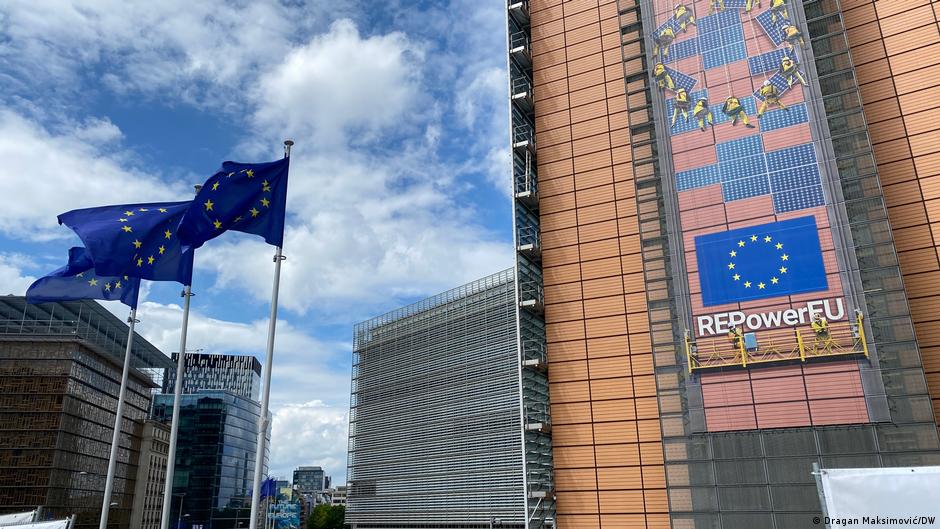
Germany Announces Record €124.7 Billion NATO Defence Spending, Implications for UK and EU Markets
Germany’s historic defence budget rise to €124.7bn in 2026 signals growing European military investment amid NATO summit talks in Ankara.
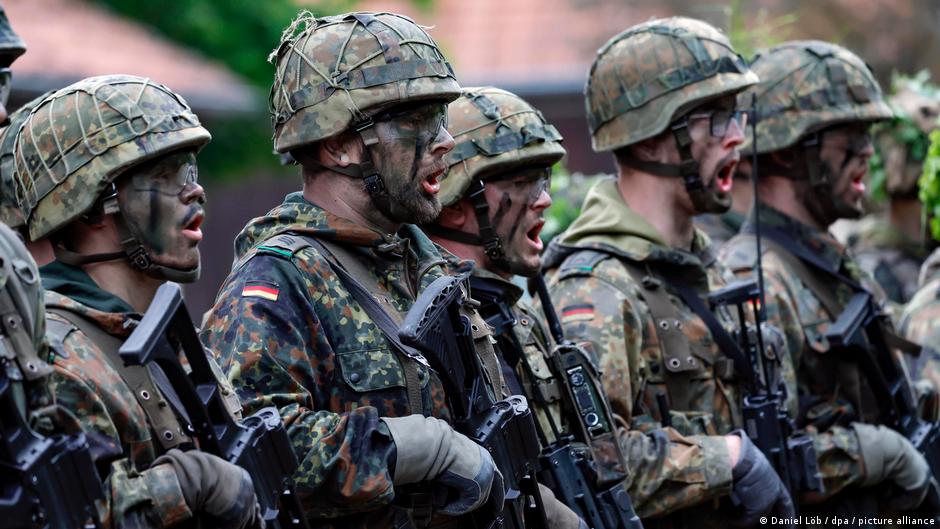
Germany has declared a record defence budget of €124.7 billion for 2026, marking a significant 25.5% increase compared to 2025, according to NATO data released ahead of the summit in Ankara on July 7. This sharp rise underscores Germany’s growing commitment to NATO’s collective security and has notable implications for UK and European defence sectors, sterling, and London’s financial markets.
European Defence Spending Surge and Market Repercussions
The German government’s planned defence expenditure represents an increase of approximately €25.4 billion from the prior year’s €99.3 billion, the largest absolute annual growth recorded among NATO members except the United States. Germany’s defence spending is expected to reach 2.69% of its GDP in 2026, up from 2.22% in 2025, reflecting intensified pressure within Europe to meet NATO’s spending benchmarks.
“European allies and Canada spent nearly 20% more on defence last year, adding $139 billion,” NATO Secretary General Jens Stoltenberg noted, highlighting the momentum behind European defense investments.
For the UK and EU markets, this boost in German defence funding signals broader opportunities for defence contractors and suppliers within Europe. Increased government borrowing to finance this spending—projected to surpass €800 billion by 2030, with over €200 billion in German government bonds issued in 2027 alone—could influence eurozone bond yields and investor appetite for sovereign debt. London’s financial sector, with its pivotal role in bond trading and defence financing advisory, may see increased activity.
The German Ministry of Finance anticipates that by 2030, defence expenditure will consume nearly a third of Germany’s federal budget at €183.6 billion, reinforcing Germany’s stature as a key player in NATO’s military-industrial complex. For British businesses, enhanced European defence spending may spur collaboration and competition dynamics in sectors ranging from aerospace to cybersecurity.
Broader NATO Defence Spending Context and UK Impact
Despite Europe's rising defence budgets, NATO’s data illustrates a persistent gap between US and European spending. The US is expected to invest approximately $850.2 billion (circa €745 billion) into defence in 2026, vastly exceeding the combined NATO expenditure of €556 billion among other members. Germany ranks as the fourth-largest spender worldwide, trailing the US, China, and Russia.
Notably, five NATO countries—Greece, Poland, Latvia, Lithuania, and Estonia—are forecasted to achieve a defence spending rate of 5% of GDP in 2026, while 17 others will reach the alliance’s 4% target. However, some nations like Belgium, Spain, and the Czech Republic continue to lag behind, maintaining defence budgets near or below the 2% GDP NATO guideline.
From a UK perspective, Germany’s record defence outlay is a double-edged sword. On one hand, it strengthens European security cooperation, which is vital for stabilising the continent amid geopolitical tensions. On the other, it intensifies competition for defence contracts and may pressure the UK to sustain or increase its own defence spending to maintain influence within NATO and the European security architecture.
London financial markets are likely to monitor bond issuance trends closely. Germany's increased borrowing to fund defence could affect eurozone yields, influencing sterling’s relative strength and cross-border investment flows. Investors and policymakers will be watching how this surge in spending reshapes UK-EU economic relations, especially in the defence and financial sectors.
Conclusion
Germany’s record defence budget signals a decisive shift in European military investment, with implications resonating across UK and EU business landscapes. Enhanced defence spending is poised to reshape market dynamics, investment priorities, and geopolitical alliances. As NATO members align their spending with alliance goals, London’s role as a financial hub and the UK’s defence industry competitiveness will be key factors in the evolving security and economic environment.