Russian Nighttime Strikes in Ukraine Impact Kyiv and Kharkiv Amid Rising Security Concerns
Ballistic missile and drone attacks cause casualties and damage in Kyiv and Kharkiv, prompting reactions in London and European markets over regional instability.
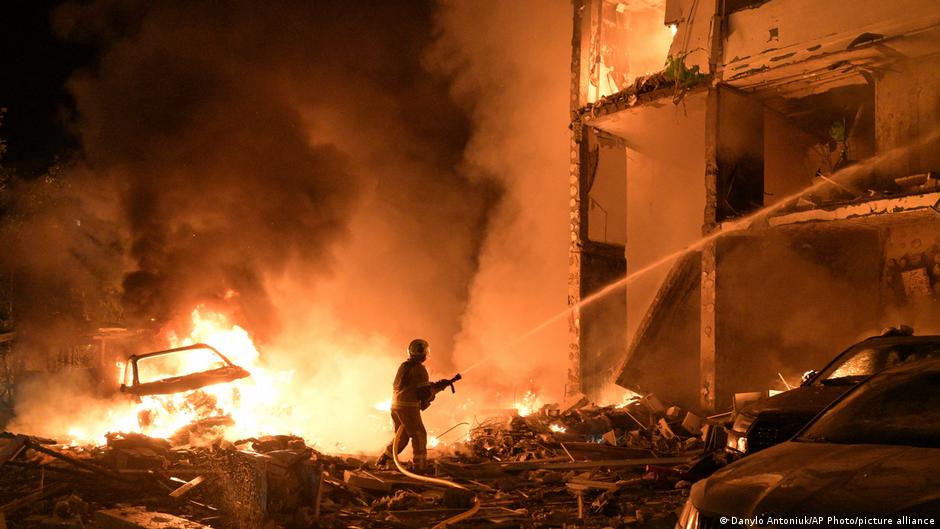
On the night of July 8, Russian forces launched a series of combined missile and drone strikes targeting multiple regions in Ukraine, including the capital Kyiv and the eastern city of Kharkiv. Explosions and fires were reported, with casualties confirmed by local authorities.
Implications for UK and European Economic Interests
The recent escalation poses heightened risks to regional stability, influencing investor confidence and market behavior in London and across the European Union. The attacks, involving ballistic missiles and unmanned aerial vehicles, coincide with renewed concerns about security in Eastern Europe and the preservation of Ukraine’s territorial integrity.
Kyiv’s mayor, Vitali Klitschko, reported two injured individuals in the capital, one of whom was hospitalized. Emergency services responded to fires sparked by rocket strikes in multiple districts, including Desnianskyi and Sviatoshynskyi. The city’s military administration also warned of enemy strike drones near Kyiv’s outskirts.
“Currently, two injured persons are in the capital. One was hospitalized,” stated Kyiv’s mayor at 01:40 local time.
In Kharkiv, a major industrial and business hub in eastern Ukraine, mayor Ihor Terekhov described damage to over 20 private homes, a church’s window glazing, street lighting infrastructure, and five vehicles. Earlier, a missile hit the Nemishlyanskyi district in the city’s east. The Ukrainian Air Force confirmed multiple ballistic missile launches targeting the capital from the north.
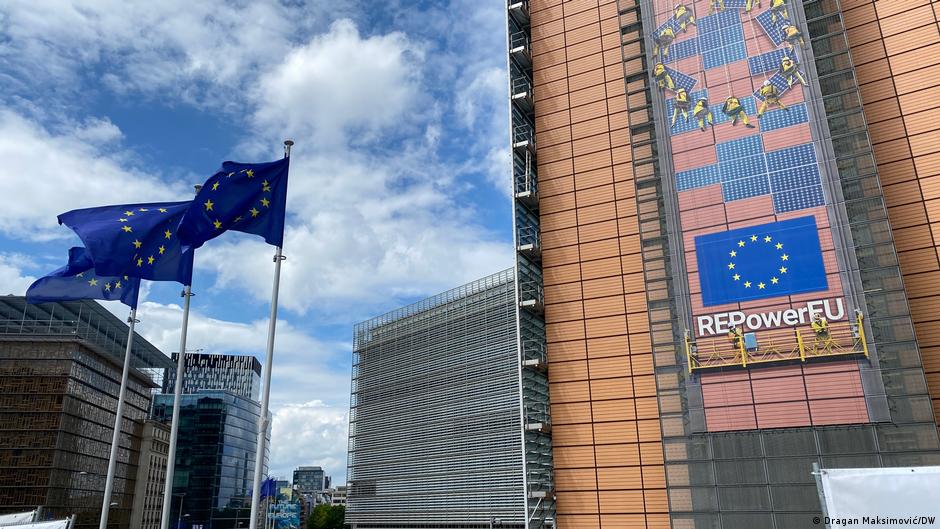
These developments come at a critical time for British and European businesses closely linked to Ukraine through trade, energy supplies, and investment. The volatility triggers concerns over potential disruptions to supply chains and energy transit routes that traverse Ukraine, which are vital for the EU’s energy security and the UK’s broader economic interests post-Brexit.
London financial markets have demonstrated sensitivity to geopolitical tensions in the region, with sterling and stock indices experiencing cautious trading patterns following the news. Market analysts highlight the importance of ongoing diplomatic efforts alongside military developments, as sustained conflict could increase risk premiums and inflationary pressures across Europe.
The Ukrainian military continues to report ongoing Russian attacks across central and eastern regions, underscoring a persistent threat to civilian populations and infrastructure. The UK government and European Union have emphasized support for Ukraine’s defense while monitoring the situation’s impact on regional stability.