US Strikes on Iran Escalate Tensions Impacting UK and EU Maritime Trade Interests
US military strikes on Iran follow attacks on tankers near the Strait of Hormuz, raising concerns for British and European shipping and market stability.
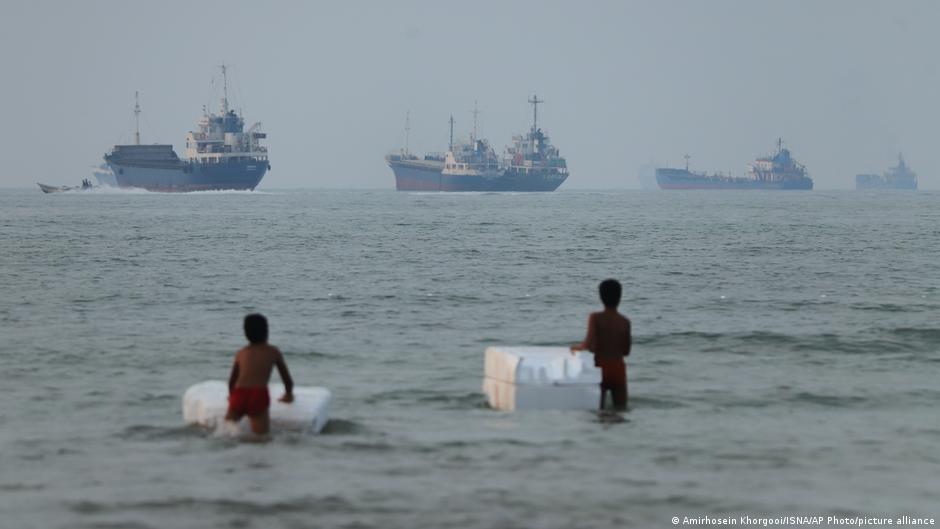
The recent US military strikes targeting Iran have intensified geopolitical tensions in the strategically vital Strait of Hormuz, a key maritime corridor for global energy supplies. These developments carry significant implications for the United Kingdom and European Union, particularly with regard to shipping security, sterling volatility, and London’s financial markets.
Background and Details of the US-Iran Conflict
The United States launched a series of heavy strikes against Iranian military assets in response to attacks on three commercial tankers near the Strait of Hormuz, according to the US Central Command (CENTCOM). These attacks, reportedly carried out by Iran, targeted vessels including a Qatari liquefied gas tanker and a tanker damaged by a drone strike, as confirmed by the UK Maritime Trade Operations (UKMTO) centre.
“The aggression demonstrated by Iran was unjustified, dangerous, and a clear violation of the ceasefire regime,” CENTCOM stated on social media, highlighting that the strikes focused on Iranian air defense systems, communications networks, coastal radar, and over 60 fast boats belonging to the Islamic Revolutionary Guard Corps.
Simultaneously, Washington reinstated sanctions on Iranian oil exports, just weeks after previously lifting them, further exacerbating tensions. Iran denounced the renewed sanctions and military actions as severe breaches of existing agreements. The Iranian deputy foreign minister, Kazem Garibabadi, warned of decisive measures to protect national interests and security.
Implications for UK and European Interests
For the UK and EU, the escalation threatens the security of vital shipping lanes in the Persian Gulf. The Strait of Hormuz is critical for the transit of energy products to European markets, and any disruption could impact global oil prices and sterling exchange rates. The UK’s maritime authorities have reported damage to vessels operating in the area, highlighting the risks to commercial navigation that underpin European energy security.
In response, the UK and France have proposed a multinational naval mission within NATO frameworks to safeguard maritime trade routes through the Gulf, signaling a commitment to protect European commercial interests. However, Iran’s reluctance to cooperate undermines prospects for de-escalation and complicates diplomatic efforts.
London markets have shown sensitivity to developments in the Gulf, with sterling experiencing fluctuations linked to oil price volatility and geopolitical risk premiums. Investors remain cautious as an escalation could disrupt energy supplies, potentially driving inflationary pressures across the UK and Europe.
Outlook Amid Ongoing Diplomatic Stalemate
The ongoing US-Iran tensions have stalled progress on critical negotiations concerning Iran’s nuclear program, regional military presence, and maritime transit fees through the Strait of Hormuz. The failure to reach consensus on these issues raises the specter of prolonged instability.
As NATO foreign ministers meet in Ankara alongside Gulf state representatives, the prospect of a coordinated multinational security approach is under discussion. Yet, Iran’s refusal to endorse these initiatives and to permit full clearance of maritime mines restricts navigation options, keeping shipping confined to narrow channels and limiting throughput.
With US President Donald Trump threatening further action absent a new deal, and Iranian officials vowing no talks under threat conditions, the risk of further military escalation looms large, posing significant strategic and economic challenges for the UK, EU, and their trading partners.