US Military Strikes Iran Targets Amid Rising Tensions Impacting Strait of Hormuz Trade
US attacks intended to limit Iran’s interference with Strait of Hormuz shipping, prompting concerns for UK and EU trade routes and sterling markets.
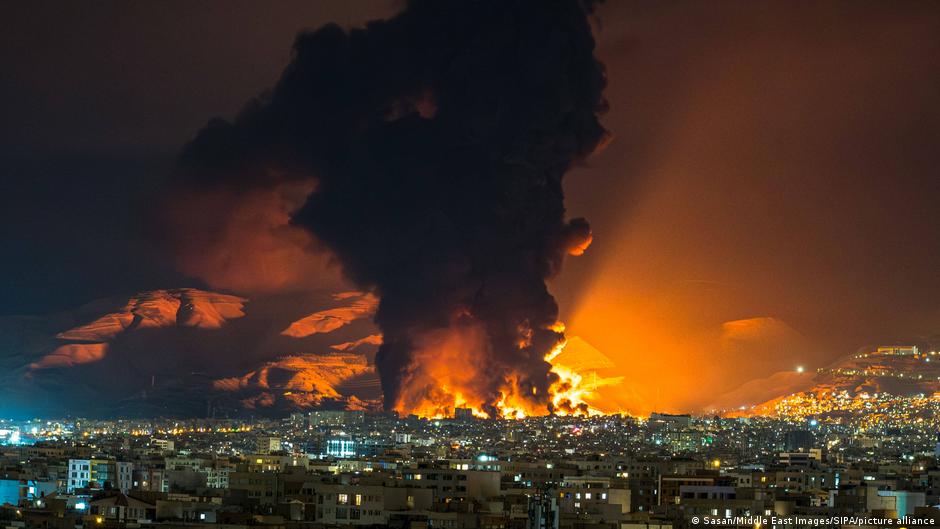
The United States Armed Forces have launched new offensive operations against Iran, aiming to curb Tehran’s ability to disrupt maritime traffic in the strategic Strait of Hormuz. The order for the strikes was reportedly issued personally by President Donald Trump.
According to the US Central Command (CENTCOM), these attacks are part of a broader effort to restrict Iranian actions that jeopardise international shipping lanes critical to global energy supplies, particularly affecting British and European interests dependent on the safe passage of oil and gas. Details on specific targets were not disclosed but follow earlier strikes on more than 80 Iranian military assets.
Implications for UK and European Trade and Sterling
Last week, CENTCOM targeted Iranian air defence systems, communication networks, coastal radar stations, anti-ship missile defences, and over 60 vessels belonging to the Islamic Revolutionary Guard Corps (IRGC). These measures were justified by Washington on the grounds of Iranian attacks on commercial vessels in the Strait of Hormuz, a vital chokepoint through which a significant portion of the world’s oil — including British and European imports — transits.
Adding to tensions, the US reinstated sanctions on Iranian oil exports, lifted only weeks prior, which has the potential to disrupt global oil markets and increase volatility in sterling exchange rates. London’s financial markets have responded cautiously amid uncertainty over the stability of oil supplies and the risk premium attached to Middle Eastern geopolitical instability.
“The demonstrated Iranian aggression was unjustified and dangerous, violating the ceasefire regime,” CENTCOM stated, underscoring the risks to maritime commerce and energy security.
Iran condemned the US strikes as violations of a memorandum on free navigation in the Strait of Hormuz and pledged to defend its sovereignty and national interests. The Iranian Foreign Ministry spokesman accused Washington of unilateral aggressive actions undermining prior agreements, while Iranian media reported retaliatory missile strikes targeting US military installations in Kuwait and Bahrain.
The White House, speaking at the NATO summit, indicated the end of any truce with Iran, with President Trump declaring an unwillingness to engage further with Tehran’s leadership, whom he described as deceitful. Despite this, dialogue channels remain open should US negotiators choose to pursue them.
For UK and European businesses, the escalation raises concerns over the security of critical shipping lanes through the Strait of Hormuz, which handles a large share of energy exports destined for European markets. Complications in this maritime corridor could lead to increased shipping costs, insurance premiums, and elevated prices for consumers across the continent. Sterling's sensitivity to oil price shocks may also increase, influencing currency markets and financial instruments linked to energy sectors in London.
British naval authorities, through the UK Maritime Trade Operations center (UKMTO), reported that one tanker was hit by a drone causing minor damage, while another Qatari liquefied gas carrier suffered serious damage from an unknown projectile. The continued risk to commercial vessels underscores the fragility of maritime security in the region.
Since the US-Iran memorandum was signed, progress on resolving Iran’s nuclear program, military withdrawals from neighbouring countries, and tolls levied on ships passing through the strait has stalled. Tehran has yet to permit full clearance of naval mines in the area, limiting shipping routes and keeping traffic well below pre-conflict levels — less than half the volume prior to the US and Israeli military actions against Iran.
As tensions persist, UK and European policymakers and businesses continue to monitor developments closely, weighing the impacts on trade flows, energy security, and market stability. The situation remains volatile, with potential repercussions for sterling and London's position as a global financial hub connected to energy markets.