US Plans to Remove Syria from Terror Sponsor List: Implications for UK and EU Markets
Washington’s move to lift sanctions on Syria signals potential shifts for British investors and European economic interests amid evolving Middle East relations.
The United States government has announced intentions to remove Syria from its list of state sponsors of terrorism, a decision that could have significant repercussions for British and European business sectors, particularly those engaged in Middle Eastern markets.
US-Syria Rapprochement and Economic Prospects
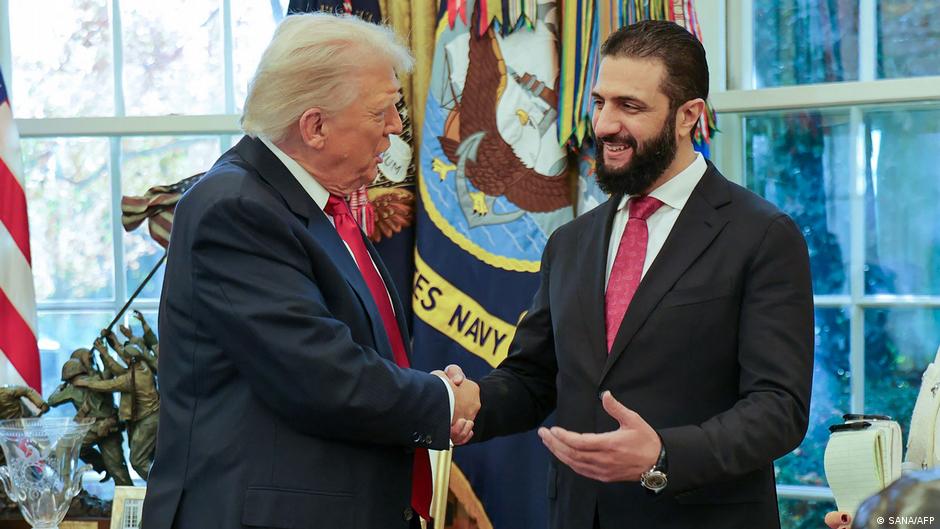
In a recent development, President Donald Trump sent a letter to Syria’s interim president, Ahmed al-Sharaa, expressing plans to exclude Syria from the US terrorism sponsorship designation. This follows the signing of an executive order lifting sanctions on Syria and comes in the wake of multiple meetings between the two leaders, including a historic summit at the White House and another at NATO’s Ankara summit.
According to sources, Trump emphasized that American companies are prepared to invest substantially in Syria to aid in its reconstruction and economic revitalization. This announcement has stirred interest among several Saudi Arabian firms already pledging investments for Syria’s post-conflict recovery.
“We have American companies ready to invest in Syria and help make your country greater and more prosperous than ever,” wrote President Trump in his letter to the Syrian interim leadership.
For the UK and EU, this shift represents a potential opening for renewed trade and investment opportunities in a region that has long been restricted due to sanctions and geopolitical instability. The removal of Syria from the terrorism sponsor list would lift US restrictions on foreign aid, arms exports, and financial transactions, which currently hamper Western business engagement.
London Market Reaction and Sterling Outlook
Following the announcement, London’s financial markets have been closely monitoring the implications of Washington’s policy change. Investors are assessing the possible influx of investment flows into Syria and the broader Middle East, which could enhance regional economic stability and trade links.
While the immediate impact on sterling remains muted, analysts suggest that a more stable Middle East could bolster investor confidence in UK-based firms with exposure to the region. This could also impact the British pound by encouraging currency flows linked to increased trade and infrastructure projects.
European Business Interests and Strategic Considerations
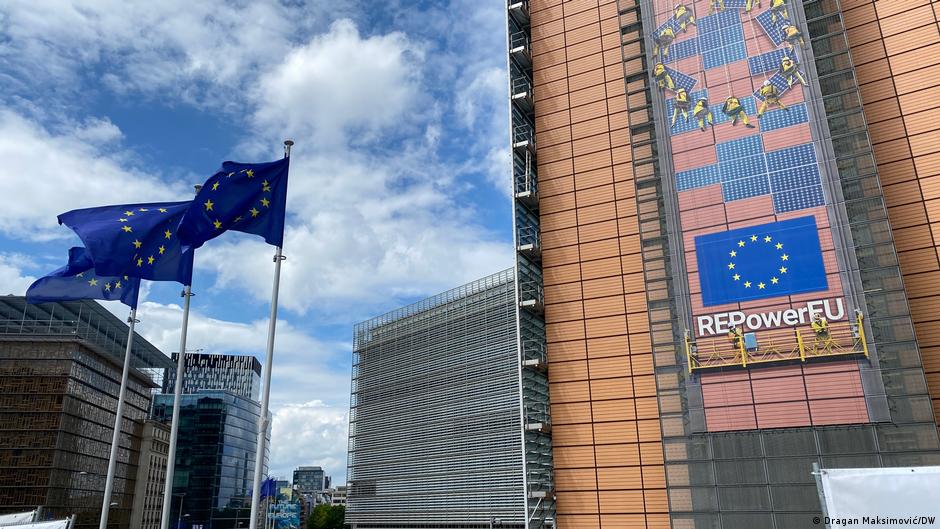
European Union nations have expressed cautious optimism. The proposed US policy shift aligns with broader EU interests in stabilizing the Middle East and expanding economic cooperation. European companies specializing in energy, construction, and finance are poised to explore new opportunities should Syria’s reintegration into the global economy proceed smoothly.
The EU’s strategic approach emphasizes balancing economic engagement with ongoing concerns about governance and human rights in Syria, aiming to ensure that commercial interests support sustainable development and regional security.
Geopolitical Context and Future Outlook
The decision also marks the first high-level US-Syria meeting in over two decades, symbolizing a potential thaw in relations that may reshape alliances and influence power dynamics in the Middle East. Notably, US troops have fully withdrawn from Syrian territory, with military sites handed back to Damascus, further emphasizing the evolving nature of US engagement in the region.
Central Command officials have indicated continued support for partner-led counterterrorism operations despite the troop withdrawal, underscoring a nuanced approach balancing military disengagement with security commitments.
For British and EU stakeholders, these developments underscore the importance of closely monitoring US foreign policy shifts as they could unlock new avenues for trade, investment, and geopolitical collaboration across the broader Euro-Atlantic space.