June Sees Deadliest Month for Ukrainian Civilians Since Russian Invasion, Raising Concerns for UK and EU Markets
UN reports highest civilian casualties in Ukraine in June 2026 amid ongoing conflict with Russia, impacting geopolitical stability and financial markets in London and across Europe.
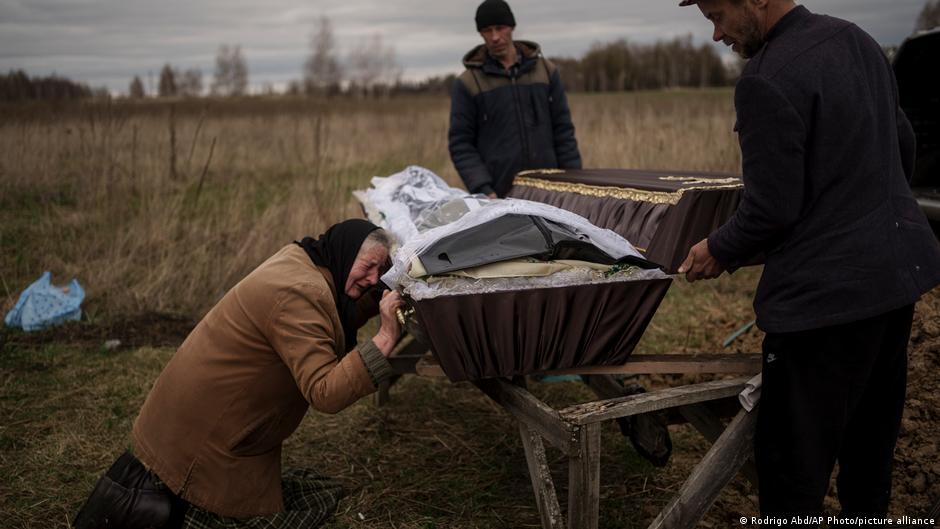
June 2026 marked the deadliest month for Ukrainian civilians since the beginning of Russia's full-scale invasion, according to United Nations data presented to the UN Security Council on July 9. This surge in casualties, persisting for the third consecutive month, carries important implications for British and European business interests and financial markets.
Rising Civilian Casualties Amid Escalating Conflict
Rosemary DiCarlo, the UN Deputy Secretary-General for Political and Peacebuilding Affairs, reported that at least 265 Ukrainian civilians were killed and 1,816 injured in Russian attacks during June. While preliminary, these figures represent a stark increase in violence compared to earlier months and reaffirm the trend of escalating civilian harm.
For context, May 2026 recorded 274 civilian deaths, the previous highest monthly toll. The total civilian death toll since the war’s onset now stands at a minimum of 16,402, including 802 children. Additionally, more than 48,000 people have been wounded during the conflict, underscoring the sustained human toll.
"The data for June, although preliminary, suggests the toll among civilians remains alarmingly high," DiCarlo said. She further noted that Russian strikes on July 2, 6, and 8 targeted city centers, causing dozens of casualties and revealing a concerning pattern of deliberate attacks on populated areas.
"The fighting must end immediately and unconditionally to pave the way for a just, lasting, and comprehensive peace in accordance with the UN Charter and international law." – Rosemary DiCarlo
Implications for UK and European Business and Markets
The intensification of hostilities in Ukraine and rising civilian casualties are creating heightened geopolitical uncertainty, which is reverberating through financial markets, including London’s stock exchange and currency markets.
As the conflict persists with no resolution in sight, investors remain cautious about the stability of the region. The British pound and the euro have experienced volatility linked to news of escalating violence, as concerns grow over potential disruptions to energy supplies and trade routes through Eastern Europe.
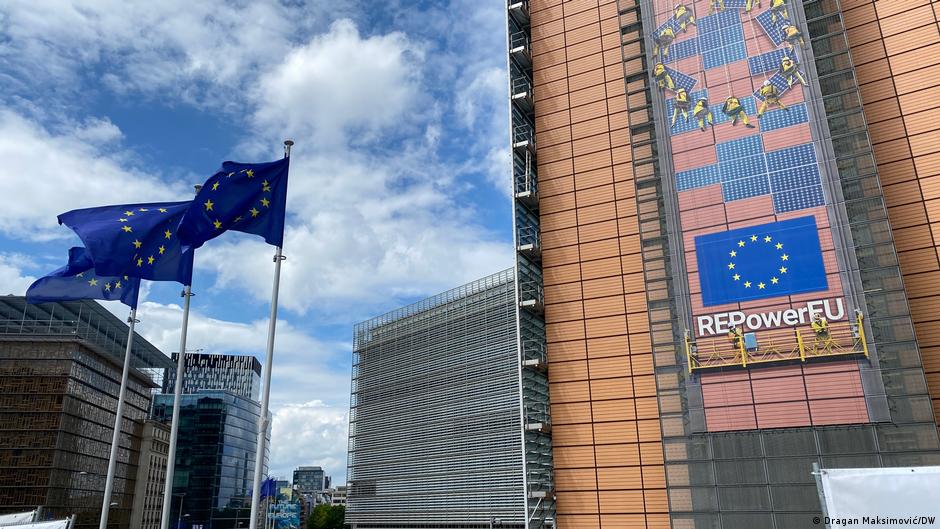
Both the UK and EU have significant economic and strategic interests in Ukraine, ranging from energy transit to agricultural exports. The increasing humanitarian crisis adds pressure on policymakers in London and Brussels to balance diplomatic efforts with economic measures aimed at mitigating risk.
Market analysts note that sustained conflict could undermine investor confidence and elevate costs for businesses reliant on Eastern European supply chains. Furthermore, the humanitarian toll adds a layer of ethical urgency to calls for a ceasefire, resonating with public opinion across Europe.
Calls for Immediate Ceasefire
UN officials have called for an immediate and unconditional ceasefire to halt the escalating violence. DiCarlo emphasized the necessity of a peace agreement that complies with international law and respects Ukraine’s sovereignty.
"The ongoing attacks highlight the urgent need for the international community to act decisively to prevent further civilian suffering and regional destabilization," DiCarlo stated.
For British and European policymakers, the challenge remains to leverage diplomatic channels and economic tools to support peace efforts while safeguarding their own regional security and economic stability.