Iran’s Ayatollah Ali Khamenei Funeral Held Amid Regional Tensions Impacting UK and EU Interests
The closed funeral of Iran’s former Supreme Leader Ali Khamenei signals ongoing instability affecting London markets and sterling amid US-Iran conflict escalation.
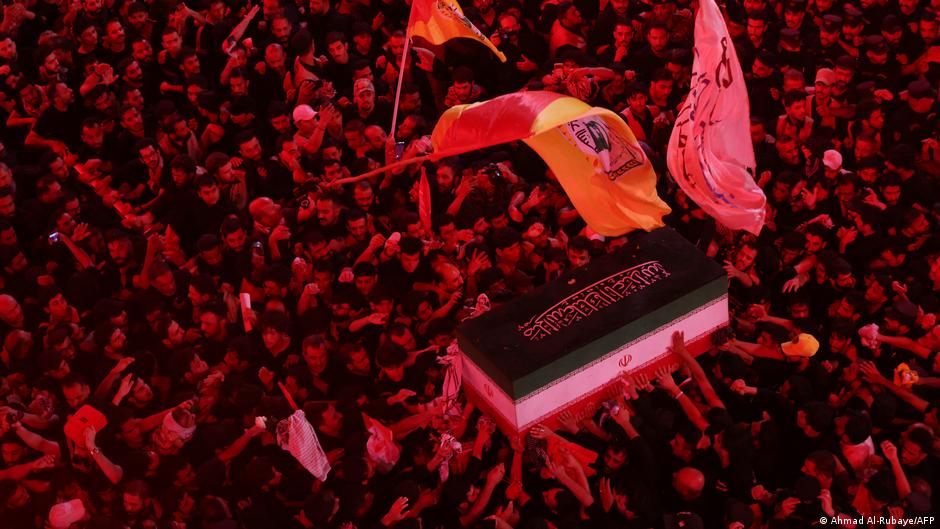
Iran held a closed funeral ceremony for its former Supreme Leader, Ayatollah Ali Khamenei, in the city of Mashhad on the night of July 10, following six days of mourning events. Khamenei, reportedly killed in late February during a US and Israeli strike on his residence, was buried at the Imam Reza mausoleum, one of the most significant Shiite Muslim shrines visited annually by up to 20 million pilgrims.
Implications for UK and European Business Amidst Geopolitical Uncertainty
The burial in Mashhad’s revered mausoleum underscores the Iranian regime’s portrayal of Khamenei as a martyr in its ongoing confrontation with militarily superior adversaries, primarily the US and Israel. This event comes amidst renewed conflict in the region that has direct repercussions for British and European economic interests, particularly in energy security and financial markets.
Following the announcement of Khamenei's death and the formal confirmation months later, Iran’s leadership transition to his son, Mojtaba Khamenei, remains shrouded in opacity. Mojtaba has not appeared publicly since the February attack, raising concerns about the stability and continuity of Iran’s theocratic leadership. Speculation about his health and the regime’s caution to avoid exposing the new Supreme Leader to further attacks reflects the fragile internal state of Iranian politics.
“The opaque succession process and ongoing military exchanges highlight the volatility that continues to ripple through global markets, with sterling and London’s financial sectors particularly sensitive to Middle Eastern stability.”
For UK and EU businesses, the recent escalation in hostilities—marked by Iranian missile strikes on US bases in Bahrain and Kuwait and reciprocal American attacks on Iranian Revolutionary Guard positions—threatens to disrupt global supply chains and exacerbate energy price volatility. The Strait of Hormuz, a vital chokepoint for oil transit, has seen increased military tensions, including the targeting of commercial tankers, which directly affects the cost and security of energy supplies to Europe.
London's financial markets have reacted uneasily to these developments, with fluctuations in the pound sterling reflecting investor concerns over geopolitical risks. The UK, heavily reliant on stable energy imports and export routes, faces potential inflationary pressures as the conflict endures. Moreover, European Union economies intertwined with Iranian oil and gas markets confront additional uncertainty due to potential sanctions or disruptions resulting from the ongoing confrontation.
The US administration’s stance further complicates prospects for de-escalation. Although it reportedly granted Tehran a brief pause in negotiations out of respect for the funeral period, talks have since stalled amid resumed hostilities. President Donald Trump’s recent comments rejecting further negotiations and labeling the ceasefire as defunct contribute to an environment of heightened unpredictability, influencing investor confidence across UK and European markets.
Looking ahead, the scheduled public appearance of Mojtaba Khamenei on July 19 in Qom during another mourning event may provide clues about Iran’s political future and its implications for regional stability. However, the lack of transparency continues to fuel uncertainty, making it imperative for British and European policymakers and businesses to closely monitor developments to mitigate risks associated with ongoing tensions in the Middle East.
In summary, the funeral of Ayatollah Ali Khamenei, while significant within Iran, reverberates far beyond its borders, with tangible effects on UK and EU economic interests, sterling exchange rates, and the London financial markets sensitive to geopolitical instability.