Closure of Azov-Don Canal Raises Concerns for UK and EU Grain Supply Chains
Russian blockade of Azov-Don shipping route after drone attacks disrupts critical grain exports impacting London markets and sterling.
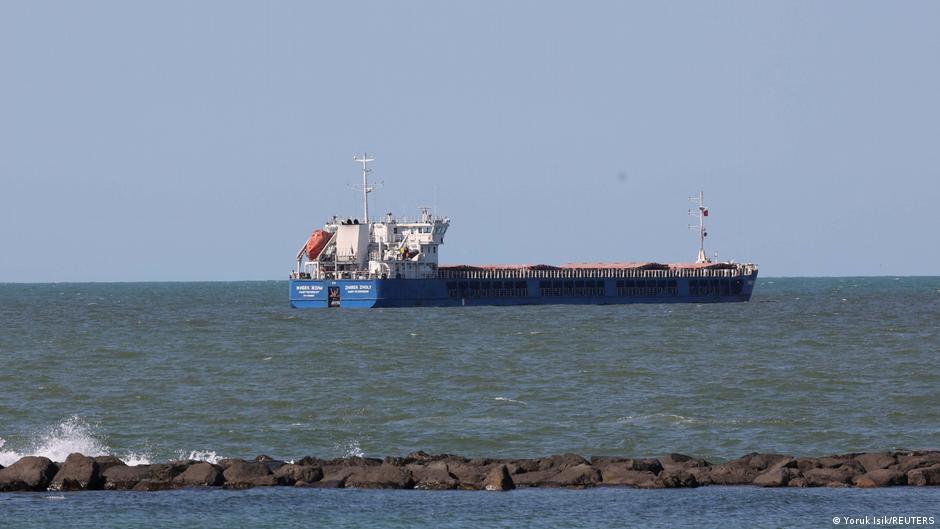
Russia has indefinitely closed the Azov-Don Sea Canal following extensive drone strikes on vessels in the Sea of Azov, raising alarms across European and British grain supply networks. The move, confirmed by Russian border authorities, halts the passage of ships through this vital waterway connecting the Don River to the Azov Sea, affecting key grain export routes.
Impact on UK and European Grain Markets
The closure comes after the Ukrainian military reported damaging at least 25 vessels in the Sea of Azov using unmanned aerial vehicles (UAVs), many of which are reportedly part of Russia's so-called "shadow fleet" under international sanctions. These vessels include oil tankers and dry cargo ships, some of which sustained repeated attacks.
"The Azov-Don canal blockade disrupts crucial supply lines, potentially escalating grain prices and unsettling the London commodity markets," says an industry analyst.
Grain-producing regions in Russia, namely Rostov and Krasnodar, rely heavily on the Azov-Black Sea basin for exports. The suspension of navigation through the Azov-Don Canal and the Kerch Strait — another key maritime link between the Black and Azov seas reportedly also affected — threatens to bottleneck Russian grain shipments. This disruption has direct consequences for the UK and EU, both reliant on steady grain imports for food security and industry.
Following the announcement, wheat futures on the Euronext exchange spiked over 4% to a six-week high on July 10. This price surge reflects growing concerns about reduced export capacity and the potential for supply shortages in European markets, including the UK.
Reactions from London and Sterling Market Implications
The London grain market, a global benchmark for agricultural commodities, has reacted swiftly to the news. Traders are factoring in increased volatility given the uncertainty surrounding Russian export routes. The pound sterling, sensitive to commodity price shifts and trade relations, may face upward inflationary pressures if grain prices remain elevated.
Moreover, the disruption could accelerate shifts in European grain sourcing strategies, potentially increasing demand for imports from the UK or other non-Russian suppliers. This realignment underscores the strategic importance of diversified supply chains for British businesses.
Despite repeated requests, Russian agricultural and transport ministries have not commented on the blockade or its expected duration, leaving markets and stakeholders in a state of uncertainty. As tensions escalate in the region, the broader implications for European food security and commodity trade warrant close monitoring.