Russian Drone Strikes on Kharkiv Impact Residential Areas Amid Rising Tensions
Drone attacks on Kharkiv damage over 20 homes and cause injuries, raising concerns for UK and EU markets amid ongoing conflict.
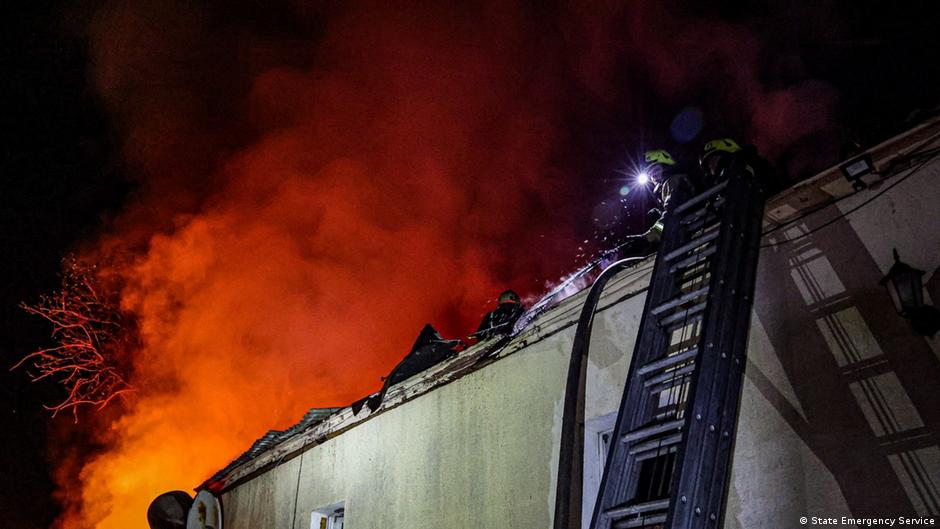
In the early hours of July 12, Russian forces launched drone attacks on multiple districts in Kharkiv, Ukraine's second-largest city, resulting in significant residential damage and several injuries. The incidents have prompted heightened attention from UK and European business communities, as the conflict’s escalation influences regional stability and financial markets, including the sterling and London trading floors.
Details of the Kharkiv Drone Attacks
According to Ukrainian officials, drones struck three districts in Kharkiv: Shevchenkivskyi, Kyivskyi, and Saltivskyi. The city’s mayor reported that over 20 residential buildings were damaged in Shevchenkivskyi district alone, with a garage cooperative fire also breaking out in Kyivskyi district. Medical services treated three individuals injured during the attacks, including a 16-year-old girl, highlighting the continuing human toll of the conflict.
"The strikes caused significant damage to civilian infrastructure, further destabilizing the region and impacting the daily lives of residents," said local authorities.
Meanwhile, the Russian military also targeted a food industry enterprise in Dnipro city; although there were no immediate reports of casualties, the attack underscores the broader strategic targeting of economic assets throughout Ukraine.
Implications for UK and European Business Interests
These intensified attacks come amid ongoing tensions that have already strained supply chains and energy markets across Europe. For the UK, the conflict’s persistence fuels uncertainty in sterling currency markets, with investors closely monitoring geopolitical risk factors. London’s financial sector remains alert to potential disruptions that could ripple through commodity prices, export-import dynamics, and investment flows tied to Eastern Europe.
Moreover, the attacks on infrastructure and industrial facilities threaten the stability of Ukraine’s economy, which plays a critical role in regional trade. The European Union and UK are particularly invested in ensuring the resilience of supply lines, especially for agricultural and food products, given Ukraine’s status as a major exporter in these sectors.
Military engagements such as the drone strikes contribute to increased volatility in energy prices, which can impact inflation rates and economic recovery efforts across Europe. British policymakers and market analysts are therefore monitoring these developments closely to adjust risk assessments and contingency planning.
Wider Conflict Escalations
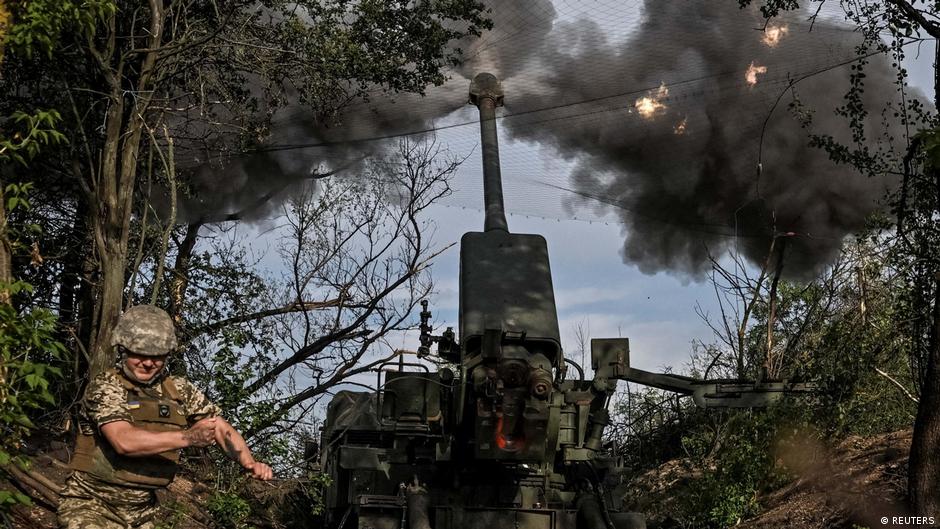
Further hostility was reported in other Ukrainian regions overnight, including missile strikes on Kyiv and drone launches targeting multiple oblasts such as Sumy, Zaporizhzhia, Donetsk, Poltava, and Odesa. Recent missile attacks have caused civilian casualties and damage to critical infrastructure, underscoring the conflict’s persistence.
On July 11, Russian forces launched a missile barrage involving Iskander-M and S-400 systems, alongside cruise and anti-radar missiles and over 120 drones. These strikes resulted in fatalities and injuries across Kyiv, Kharkiv, and Odesa. Such escalations perpetuate instability with potential knock-on effects on European security policies and economic confidence.
As the situation continues to evolve, UK and European stakeholders remain engaged in diplomatic efforts and humanitarian support, while closely assessing the economic and market consequences of the conflict’s developments.