EU Considers Withholding €2 Million Funding from Venice Biennale over Russian Participation
European Commission urges suspension of subsidies to Venice Biennale due to Russia’s return amid sanctions, impacting UK and EU cultural funding dynamics.
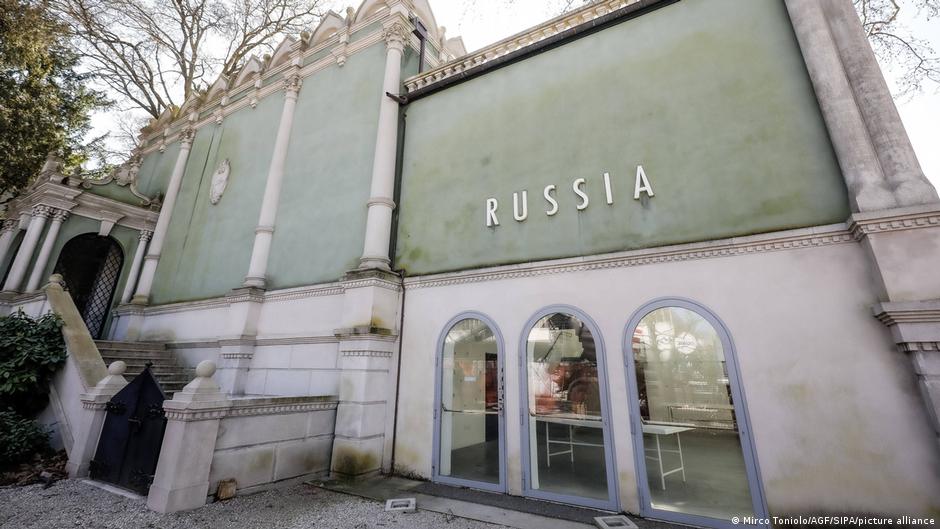
The European Commission has formally recommended that the European Education and Culture Executive Agency (EACEA) withdraw €2 million in funding from the Venice Biennale following the controversial inclusion of the Russian pavilion at the prestigious cultural event.
Henna Virkkunen, European Commission Executive Vice-President responsible for technological sovereignty, security, and democracy, announced the decision on 11 July through social media. She stressed that "culture in Europe - funded by taxpayers’ money - must promote and protect democratic values. In contemporary Russia, these values are not respected." This statement underscores EU concerns that hosting Russia at the event contradicts the bloc’s sanctions and political stance.
Implications for UK and European Cultural Markets
The Venice Biennale, renowned for its influence on international art markets, often affects cultural investment flows and market confidence in London and other European capitals. The potential withdrawal of EU subsidies could reshape funding priorities across the continent, indirectly impacting British galleries and auction houses that rely on European cultural collaborations and events for exposure and sales.
Russia’s return to the Biennale in 2026 marked its first participation since Russia’s full-scale invasion of Ukraine, drawing sharp criticism from Brussels and Kyiv. The Russian pavilion drew protests from activist groups including Femen and Pussy Riot, highlighting the political tensions surrounding its inclusion. The EU views the pavilion as state-sponsored by the Kremlin, making its funding a matter of indirect economic support to Russia in violation of EU sanctions.
Meanwhile, the UK, no longer an EU member but culturally intertwined with European markets, watches closely. The London art market, a hub for global contemporary art, thrives on stability and shared values that underpin cultural diplomacy. Funding controversies like this introduce uncertainty that may influence investor sentiment and sterling exchange rates in cultural finance sectors.
"Culture in Europe, funded by taxpayers’ money, must promote and protect democratic values," noted Henna Virkkunen, highlighting the political stakes behind the funding decision.
European Commission Foreign Policy Chief, Kaja Kallas, stated on 21 April that the EU intends to cut funding to the Biennale due to Russia’s return. In early May, the Commission warned the Italian government and Biennale organizers that Russia’s participation violates EU sanctions. The letter emphasized the pavilion’s direct ties to Vladimir Putin’s government, equating its financing with indirect economic assistance to the Kremlin.
However, Pietro Buttarelli, President of the Venice Biennale, defended the decision to allow Russia’s participation, citing a commitment to freedom of expression. This stance has sparked debate within the UK and EU cultural sectors about balancing artistic freedom with geopolitical responsibility.
As the EU contemplates sanctioning a major cultural event for hosting Russia, the repercussions for European and British cultural institutions could be significant. Funding reallocation might prioritize events aligned more clearly with EU democratic values, which could alter the dynamics of cultural funding in London and across the continent.