Germany's Steinmeier Calls for Europe to Counter Ruthlessness of Russia and US Amid Political Shifts
German President Frank-Walter Steinmeier urges Europe to defend its model against new global ruthlessness impacting political and economic landscapes.
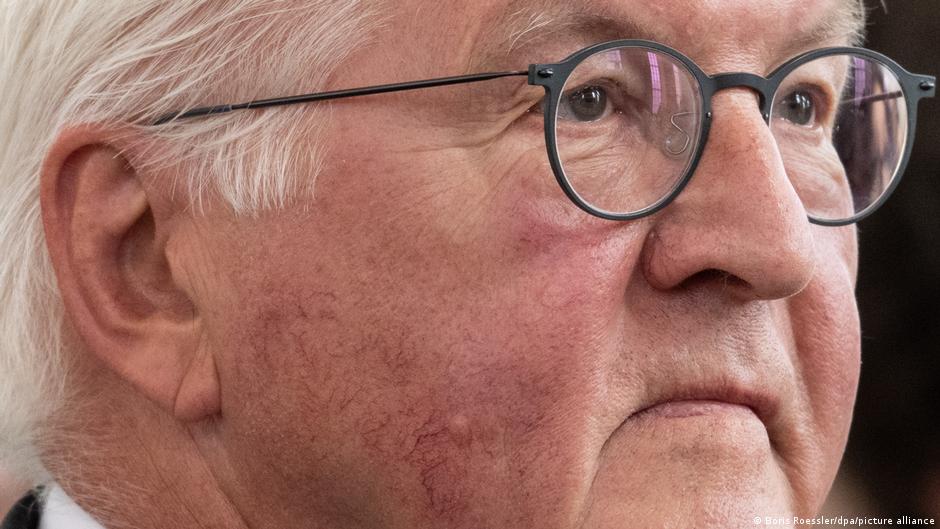
In a recent summer interview with German broadcaster ZDF, President Frank-Walter Steinmeier of Germany emphasized the need for Europe to present a unified front against what he described as a "new spirit of ruthlessness" promoted by Russia and the United States. Steinmeier highlighted profound geopolitical changes stemming from Russia's invasion of Ukraine and shifts in US values, describing these as a "double epochal rupture" to which Europe must respond decisively.
Implications for Europe and the UK
Steinmeier cautioned against European nations adopting the power politics style of global superpowers, which he argued operate outside of international law and established rules. "We cannot act like that," he said, stressing the importance of maintaining an international order based on laws and norms. This stance strongly resonates across the European Union and the United Kingdom, both of which have significant stakes in preserving a stable geopolitical environment to support economic growth and market confidence.
His call for a "pragmatic approach" towards the United States, without directly naming then-President Donald Trump, signals a nuanced diplomatic posture, acknowledging the importance of transatlantic ties while recognizing emerging challenges.
Steinmeier also spoke positively about Germany's recent comprehensive social reform package introduced by Chancellor Friedrich Merz’s governing coalition. The reforms, unveiled on July 2, aim to drive economic growth—a key factor Steinmeier identified as essential for restoring public trust and respect in the German government. He urged patience and persistence as these reforms take effect.
"We need an international order, we need law and rules," said Steinmeier, underscoring Europe's commitment to principled governance amid global uncertainty.
Political Landscape and Market Reactions
The German president further addressed the rising popularity of the far-right Alternative for Germany (AfD) party in the eastern state of Saxony-Anhalt, where they lead in polls ahead of September's state elections. While Steinmeier acknowledged these trends seriously, he reminded that polls are not definitive and expressed hope that centrist parties would prevent extremists from obtaining a majority.
These developments are closely monitored across European financial markets, including London's, where investor sentiment is sensitive to political stability within key EU members. The UK's financial sector, deeply interconnected with European markets, views Germany's political and economic trajectory as a bellwether for regional stability, influencing sterling performance and investment flows.
Steinmeier’s remarks about the importance of defending democratic institutions resonate in the UK and EU alike, highlighting shared concerns over rising populism and the need to uphold democratic values. Upcoming regional elections in Germany, including in Berlin and Mecklenburg-Western Pomerania, will be watched for their broader implications on European political and economic stability.
Overall, Steinmeier’s interview underscores a critical juncture for Europe, as it navigates complex geopolitical pressures and internal political shifts. For British and European business communities, these dynamics will have a bearing on trade, regulatory cooperation, and market confidence in the coming months.