US Congress Bill to Ban Russian Oil Puts Trump Diesel Deal Under Scrutiny
A bipartisan push in Washington could complicate Russian fuel flows, with implications for European energy policy and London markets.
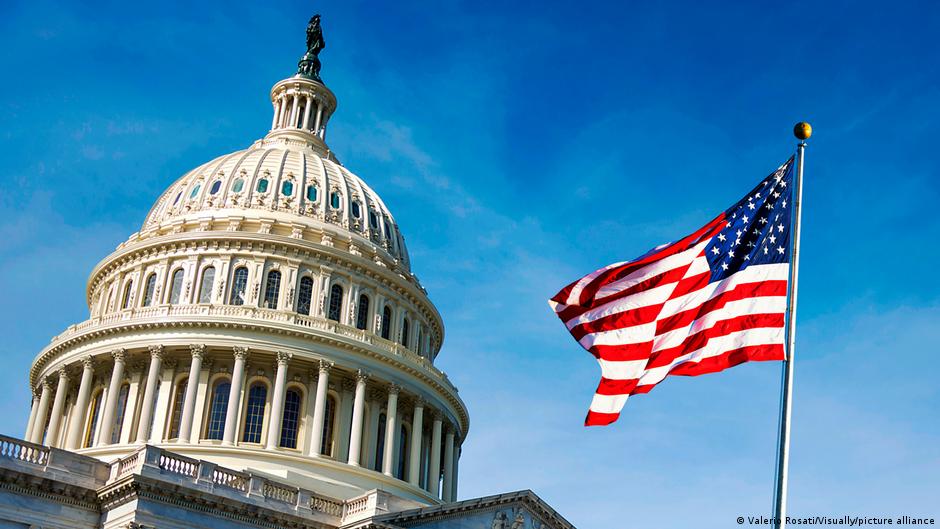
A bipartisan bill expected to be introduced in the US Congress would seek to ban any purchases of Russian oil, opening a new front in Washington’s dispute over energy trade with Moscow and raising questions for UK and European businesses watching fuel costs, sanctions policy and sterling-sensitive market sentiment.
Representative Brian Fitzpatrick, a Republican from Pennsylvania, said on Saturday, October 10, on X that the measure would be aimed at prohibiting all purchases of Russian oil. According to Fitzpatrick, the bill will be called the Ronald Reagan “Peace Through Strength” Act.
The proposal follows criticism in Congress of President Donald Trump’s decision on Russian diesel fuel. Representative Don Bacon, a Republican from Nebraska, has already said he will support the measure and criticised Trump’s move to buy diesel fuel from Russia.
Fitzpatrick said the bill would be directed at “banning any purchases of Russian oil” and argued that it would pass by an overwhelming majority.
Discharge Petition Route Raises the Stakes
The bill is expected to be brought to the House floor through a discharge petition, a parliamentary procedure that allows rank-and-file lawmakers to force a vote by the full House when a committee or the Speaker is blocking consideration of a measure. To succeed, the petition requires signatures from at least 218 lawmakers, an absolute majority of the House.
Fitzpatrick expressed confidence that the bill would be approved by an overwhelming majority. If lawmakers can gather the necessary signatures, the procedure would allow supporters of the measure to bypass normal leadership control and put the issue directly before the chamber.
For British and European business readers, the key issue is not only the politics of Congress but the signal such a bill sends to global energy markets. Any US move to tighten restrictions on Russian oil purchases would be read in London and across the EU alongside existing sanctions policy, supply concerns and the cost of refined products. Diesel remains an important input for transport, logistics, agriculture and industry, making any shift in supply expectations relevant for corporate costs and inflation assumptions.
The proposed legislation also places renewed attention on policy divergence between the White House and members of Congress. On October 9, Trump said he had held “very successful” talks with Russian President Vladimir Putin, during which an agreement was reached on supplies of Russian diesel to the United States and to the global market.
Putin officially confirmed the telephone conversation with Trump and the agreements. In a statement attributed to the Russian president, Moscow said that during discussion of the global energy situation, the Russian side had confirmed its readiness to supply oil and petroleum products to the American and global markets. Putin said he was confident this would have a positive effect on the global economy.
London Watches Energy, Sterling and Sanctions Risk
For London markets, the immediate impact would depend on whether the bill advances and whether traders believe it can become binding US policy. The prospect of renewed restrictions on Russian oil and petroleum products could influence expectations for diesel availability, shipping flows and refinery margins, particularly if market participants see a risk of tighter global supply.
Sterling would be exposed through the familiar channels of energy prices, inflation expectations and risk appetite. Higher fuel costs can complicate the outlook for UK businesses already sensitive to transport and input prices. If energy traders price in reduced Russian supply to global markets, that could add pressure to import costs and affect investor expectations for the UK inflation path. Conversely, if markets judge the bill as politically symbolic or unlikely to change near-term flows, the direct currency reaction may be limited.
The measure is also likely to be assessed in Brussels and other European capitals as part of a broader debate over sanctions enforcement and transatlantic coordination. The EU and the UK have treated Russian energy revenues as a central economic pressure point since Moscow’s full-scale war in Ukraine. A US congressional effort to prohibit purchases of Russian oil would align with a tougher stance, while Trump’s reported diesel agreement with Putin points in the opposite direction.
That tension matters for companies operating across the UK, EU and US because energy rules can affect procurement, financing, insurance, shipping and compliance decisions. Firms with exposure to fuel supply chains would need to monitor whether the US legislative push remains a political statement or develops into a concrete restriction capable of altering trade flows.
The bill’s name invokes Ronald Reagan’s “peace through strength” doctrine, framing the measure as a strategic response rather than a narrow energy regulation. Fitzpatrick’s use of a discharge petition suggests supporters are prepared to challenge procedural barriers if committee leadership or House leadership resists moving the bill forward.
Bacon’s backing adds to the significance of the initiative because it shows Republican criticism of Trump’s Russian diesel decision from within the president’s own party. His support does not by itself determine the bill’s fate, but it underlines that opposition to Russian fuel purchases remains a live issue in Congress.
For now, the legislative path is uncertain. The petition would need 218 signatures before a vote by the full House could be forced. Until then, investors and energy buyers in London and Europe are likely to treat the proposal as a developing political risk: one that could affect Russian energy flows, reinforce sanctions pressure, and shape the wider market reaction to any renewed US-Russia energy arrangement.