Ukraine Strike on Donetsk Killed at Least 20 Russian Officers
The reported use of Storm Shadow and SCALP-EG missiles puts British and European defence support back in focus for markets.
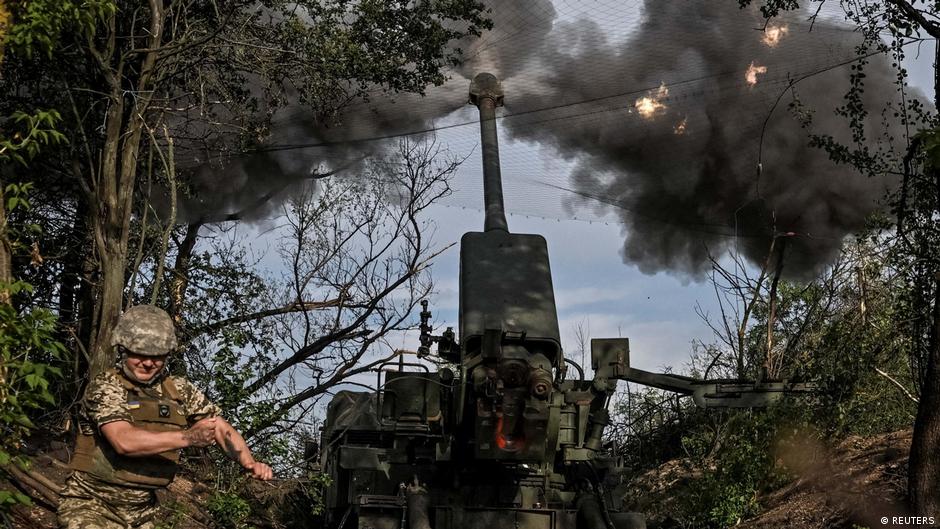
At least 20 Russian officers were killed in a Ukrainian missile strike on Russian-occupied Donetsk on 26 August, according to findings reported by Mediazona. The outlet said the attack was the largest known single loss of Russian officer personnel since the start of Moscow’s full-scale invasion of Ukraine.
The report, published on Friday, 9 October, identified the dead as officers serving in headquarters linked to Russia’s “Centre” grouping of forces. They included personnel from the headquarters of the Central Military District and the headquarters of the 41st Combined Arms Army, Mediazona found.
For Britain and the European Union, the reported strike carries significance beyond the battlefield. Denis Pushilin, the head of the Russian occupation administration in Donetsk, said on Telegram that the target was the Donetsk City shopping centre and added that Storm Shadow/SCALP-EG missiles had been used. Storm Shadow is associated with British support to Ukraine, while SCALP-EG is its French counterpart, placing European-supplied long-range weapons at the centre of the episode.
Mediazona said 18 of the 20 officers died on the day of the strike, while two others later died from their wounds. Among those killed were seven colonels and four lieutenant colonels in the Russian army, according to the outlet’s reconstruction.
European weapons back in focus
The reported use of Storm Shadow/SCALP-EG missiles is likely to be watched closely in London, Paris and other European capitals because it underlines the role of European military assistance in Ukraine’s capacity to hit targets deep inside Russian-occupied territory. The weapons have been a visible part of Western support for Kyiv’s efforts to weaken Russian command, logistics and operational infrastructure.
The Donetsk strike also comes at a moment when European governments continue to balance military commitments to Ukraine with domestic budget pressures, defence industrial demands and market sensitivity to geopolitical risk. For the UK, any development involving Storm Shadow can draw attention to defence policy, procurement capacity and the wider political argument over sustained support for Kyiv.
In market terms, such reports can add to the risk premium surrounding European assets when investors assess the trajectory of the war. Sterling and London-listed equities are often influenced by a broad mix of factors, including Bank of England expectations, energy prices, global risk appetite and fiscal policy. Still, escalatory battlefield developments involving British-linked weapons can contribute to short-term caution, particularly among investors exposed to defence, energy, commodities and European security themes.
The source material did not provide specific data on sterling movements or London stock market reaction following the report. However, the incident is the type of development that London market participants may fold into wider assessments of geopolitical risk, especially as the war continues to shape European defence spending and energy security planning.
Mediazona described the strike as the largest known one-time loss of Russian officer personnel since the full-scale invasion began.
How the deaths were identified
Mediazona said its journalists established the names of the dead by comparing personnel lists from the two headquarters with Russia’s inheritance case registry, other state registers and military obituaries. This method allowed the outlet to identify officers who had served in the relevant command structures and whose deaths were connected to the 26 August strike.
The Russian officers killed in the attack served in command headquarters rather than ordinary front-line units, according to the report. That detail is operationally important because command posts are central to coordinating troop movements, communications and battlefield decision-making. The deaths of senior officers, including colonels and lieutenant colonels, can be especially sensitive for a military force because such personnel often hold planning and leadership responsibilities.
Ukraine carried out the missile strike on Donetsk in the evening of 26 August. Pushilin, the Russian-installed head of the occupation administration, said the Donetsk City shopping centre had been the target. He also said Storm Shadow/SCALP-EG missiles were used in the attack.
Ukrainian Telegram channel Exile+ claimed that one strike hit a building that had housed scientific research and industrial institutions before the war. Another channel, KiberBoroshno, said one of the targets was an underground car park with 600 spaces beneath an unfinished residential complex. Open-source intelligence projects suggested that both sites were being used as Russian army command posts.
Those claims, as presented in the source report, point to the contested nature of military infrastructure in occupied urban areas. Facilities described by Russian occupation authorities as civilian or commercial may be assessed by Ukrainian or OSINT sources as having military command functions. The article’s source did not include an independent official confirmation from Ukraine of the specific targets named by the Telegram channels.
For European policymakers, the Donetsk strike will reinforce questions about how long-range weapons are being used and how Moscow may respond when senior command personnel are hit. The war has repeatedly tested Western governments’ tolerance for escalation risk, while also demonstrating Ukraine’s reliance on partners for sophisticated systems capable of striking operational hubs behind Russian lines.
The episode also intersects with the business outlook for European defence companies. Continued battlefield use of advanced missiles highlights demand for stockpile replenishment, air-launched precision systems and cross-border defence cooperation. In Britain, the issue connects directly to industrial capacity and government defence spending, both of which matter to investors following the London market’s aerospace and defence names.
At the same time, the immediate facts remain those reported by Mediazona: at least 20 Russian officers died after the 26 August Ukrainian missile strike on occupied Donetsk; 18 were killed that day and two later died of wounds; the dead included seven colonels and four lieutenant colonels; and the officers served in headquarters linked to Russia’s “Centre” grouping of forces.