Kyiv Mayor Urges Temporary Departures as Russian Strikes Raise Winter Risks
Vitali Klitschko warned that intensified Russian attacks could create a major water crisis in Kyiv while stopping short of calling for full evacuation.
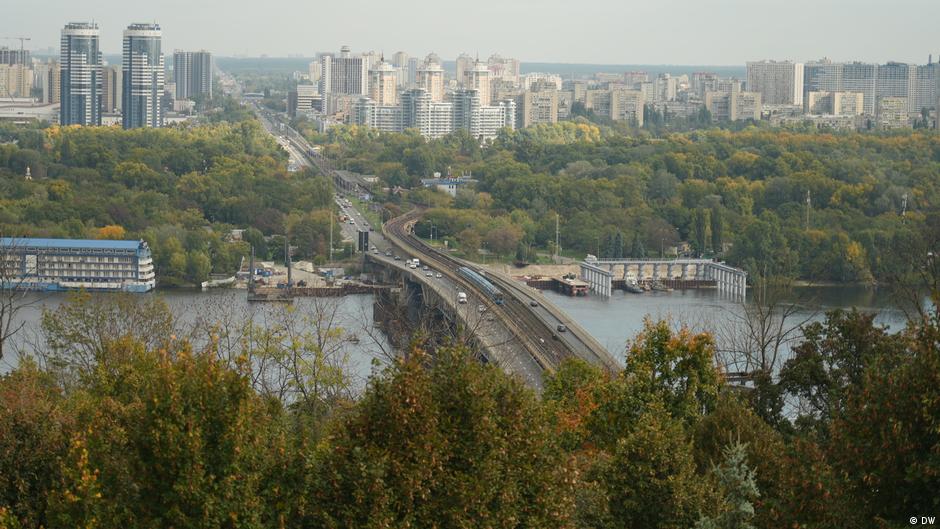
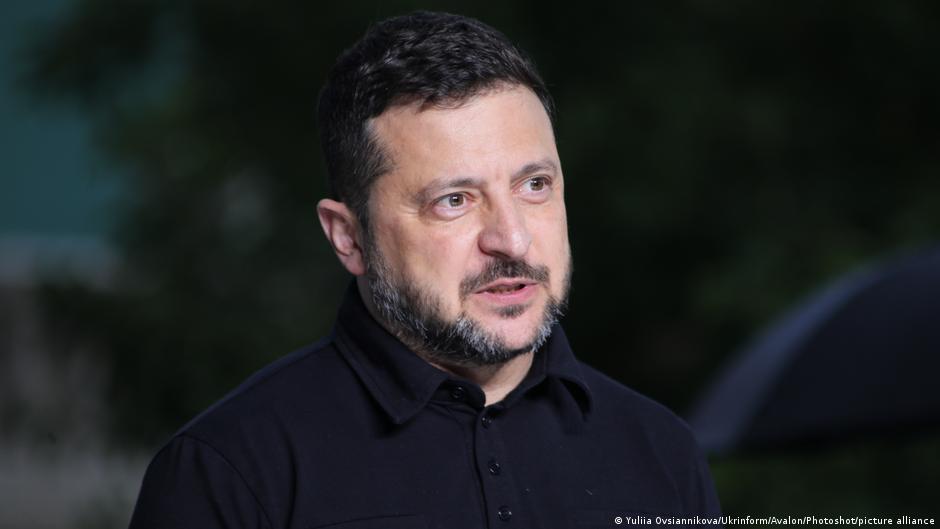
Kyiv Mayor Vitali Klitschko has advised residents of the Ukrainian capital who have friends or relatives elsewhere in the country to consider leaving the city temporarily, as intensified Russian attacks raise the risk of severe disruption to basic services before winter.
The warning, delivered in an interview with AFP published on Wednesday, 8 October, underscores the growing pressure on Ukraine’s largest city as Moscow expands its strikes against urban infrastructure. For the UK and European governments, the situation sharpens the economic and strategic stakes of continued support for Ukraine, with energy security, reconstruction planning and market confidence all tied to the resilience of Kyiv and other major cities.
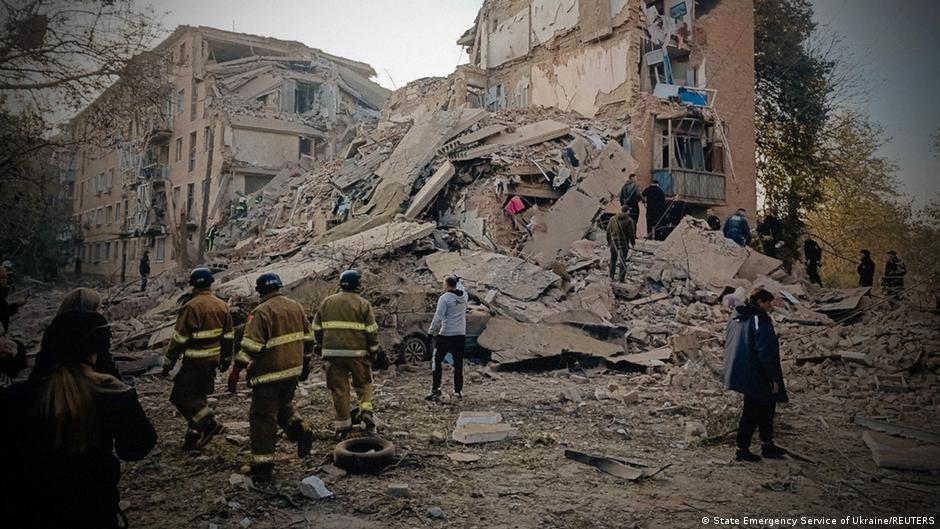
“Today it is about survival,” Klitschko said, describing daily reports of destroyed buildings, wounded residents and deaths as shelling of the city intensifies.
Klitschko said residents with a place to stay outside the capital should think about relocating to another Ukrainian city for a period. But he stressed that he was not calling for a full evacuation of Kyiv, framing any mass departure as a scenario sought by Russian President Vladimir Putin.
“That is Putin’s goal,” Klitschko said. “The best scenario for him is that we all leave and hand him our empty cities and the whole country.”
Infrastructure Risk Moves Back to the Centre of the War
The mayor warned that a failure in Kyiv’s water supply system caused by Russian strikes could lead to a crisis that would be “quite large-scale.” City authorities, he said, are building reserve heating systems ahead of winter and stockpiling fuel, food and drinking water.
Even so, Klitschko cautioned that preparation has limits if Ukraine’s air defences fail to stop incoming attacks. However well the authorities and residents prepare, he said, “if air defence does not work, we may find ourselves in a bad scenario.”
For European policymakers, that warning lands at a sensitive moment. The war has already reshaped defence spending, energy policy and fiscal priorities across the continent. A renewed campaign against Kyiv’s heating, water, communications and transport systems would increase pressure on European capitals to accelerate air defence deliveries and winter support, while also raising the potential cost of future reconstruction.
London has a direct interest in that calculation. The UK has positioned itself as one of Kyiv’s most prominent backers, and British financial institutions are closely involved in discussions about Ukraine’s recovery, war-risk finance and sanctions enforcement. A deterioration in conditions in Kyiv would not only have humanitarian consequences; it would also affect how investors assess the durability of Ukraine’s state capacity and the timeline for rebuilding.
Markets Watch for Wider Economic Spillovers
The immediate issue is security inside Ukraine, but the business implications extend across Europe. Attacks on energy and transport infrastructure can affect grain logistics, reconstruction planning and confidence in regional supply chains. They also feed into broader market concerns over energy prices and geopolitical risk, both of which can influence sterling and London-listed companies with exposure to European demand, defence, energy and infrastructure.
There was no specific market data in Klitschko’s remarks, and the mayor did not discuss currency or equities. But his warning is the kind of development that City analysts typically fold into assessments of European risk: whether the war is contained militarily, whether Ukraine can keep major cities functioning through winter, and whether Western governments will need to commit more financial and defence resources.
Sterling’s sensitivity to European energy shocks has been evident throughout the war, particularly when security concerns intersect with inflation expectations and public borrowing pressures. A renewed winter campaign against Ukrainian infrastructure could therefore become part of the broader macroeconomic picture for UK investors, even if the direct battlefield effects remain inside Ukraine.
For EU businesses, the same concerns are tied to energy procurement, transport corridors and the future of cross-border reconstruction contracts. Kyiv’s ability to maintain services is not only a question of wartime endurance; it is also central to whether European companies can plan future work in Ukraine with any confidence.
Russian Strikes Broadened in September and October
According to the account provided in the source material, Russia intensified attacks on Kyiv in September. In early October, Russian forces also began striking bridges across the Dnipro River that connect the right-bank and left-bank parts of the capital. Those bridges had not previously been targeted.
The strikes have also aimed at energy and communications facilities, as well as railway infrastructure. Such targets are central to the functioning of a major city, particularly as temperatures fall and demand for heat, water and reliable transport rises.
On 3 October, Ukrainian President Volodymyr Zelensky said Russia had adopted a new air-strike strategy intended to force Ukrainians to leave Kyiv and other large cities. Klitschko’s comments are consistent with that assessment, presenting the pressure on residents as both a humanitarian danger and a political objective of the Kremlin.
Kyiv’s authorities are attempting to reduce the vulnerability of essential services before winter. Reserve heating, fuel stocks, food and drinking water are part of that effort. But the mayor’s central message was that civil preparation cannot substitute for air defence, especially when attacks are directed at the systems that keep a city liveable.
That point will resonate in London and Brussels, where the next phase of Ukraine support is likely to be judged not only by battlefield needs but by whether Ukrainian cities can withstand sustained strikes on civilian infrastructure. If Kyiv remains functional, European backing can be framed around resilience and recovery. If basic services break down, the policy debate becomes more urgent, more expensive and more politically exposed.