European Parliament Backs €115 Million Defence Tech Fund With UK Market Focus
The Agile programme is intended to channel rapid support to European defence start-ups and SMEs as investors assess implications for the sector.
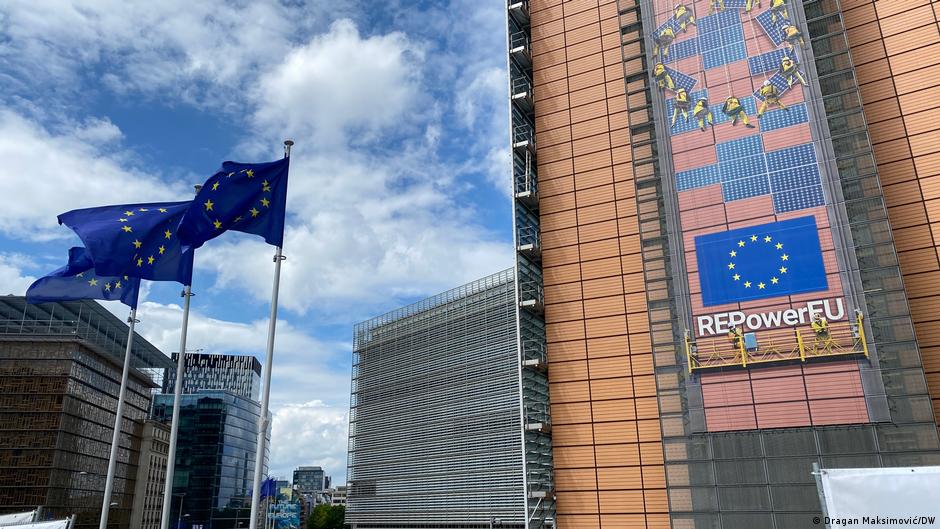
The European Parliament has approved a €115 million programme aimed at supporting companies developing new defence technologies, a move likely to be watched closely by defence investors, suppliers and policymakers in London and across Europe as the continent accelerates spending on security and industrial resilience.
An overwhelming majority of Members of the European Parliament voted in favour of creating Agile, formally known as Agile and Rapid Defence Innovation. In a press release published on Tuesday, 6 October, the Parliament described the initiative as a new instrument with a €115 million budget designed to provide rapid, flexible and targeted financial support to small and medium-sized enterprises, including start-ups and scale-up companies, working on new and disruptive defence technologies.
The measure was supported by 536 lawmakers, while 101 voted against and 16 abstained. It must now be approved by the Council of the European Union before publication in the Official Journal. The programme is scheduled to begin in early 2027, after negotiators from the European Parliament and the Council reached a preliminary agreement on its launch in July 2026.
Why London Investors Will Be Watching
Although the funding is an EU programme, its commercial significance extends beyond the bloc. London remains one of Europe’s key financial centres for defence, aerospace and advanced technology companies, and any new European mechanism for supporting defence innovation can shape investor expectations around procurement pipelines, valuations and the competitive position of suppliers.
For UK-listed defence and technology groups, the parliamentary vote adds another signal that European governments are seeking faster routes from research and prototype development to deployable military capability. The direct beneficiaries of Agile will be EU-based small and medium-sized enterprises, including early-stage and expanding companies, but larger contractors and listed suppliers may still monitor the programme for partnership opportunities, acquisition targets and changes in the European procurement environment.
The potential currency dimension will also matter for British businesses selling into European supply chains. A programme denominated in euros, alongside broader defence procurement in the single market, can affect how UK firms think about contracts, margins and hedging when sterling moves against the euro. The source material does not cite a specific sterling move or an immediate London market reaction to the vote, but the decision lands in an environment where currency exposure is already a routine consideration for cross-border defence manufacturers, component suppliers and technology providers.
EU Seeks Faster Defence Innovation
EU technology commissioner Henna Virkkunen said in spring 2026 that Agile should bring Europe’s “most creative technology companies” closer to the defence industry. The programme is intended to speed up the development, testing and market entry of defence innovations.
Defence commissioner Andrius Kubilius said at the same time that the ways wars are fought are undergoing “radical changes”, and that armed forces need “new technologies, fast deliveries and highly competitive prices” in order to be “smarter and faster than adversaries”.
Agile is designed to provide rapid, flexible and targeted financial support to smaller companies developing new and disruptive defence technologies.
The Parliament’s 6 October press release said the programme is intended to stimulate innovation through accelerated grant provision and access to testing and certification. It also said the initiative gives member states the ability to participate in defining challenges, so that the products being developed correspond to their needs in defence capabilities.
That design is important for European defence policy because it links funding more directly to capability gaps identified by governments. For companies, it may also reduce uncertainty by making clear which problems member states want industry to solve. For investors, that alignment can help distinguish speculative defence technology from products with a clearer route into official testing, certification and potential procurement.
The emphasis on SMEs, start-ups and scale-ups reflects a wider effort to ensure that defence innovation does not remain confined to traditional prime contractors. Smaller technology companies often move faster in areas such as software, autonomous systems, sensors and data-driven battlefield tools, but they can struggle to access defence customers, certification processes and long procurement cycles. Agile is intended to address part of that gap by offering targeted financial support and access to testing frameworks.
Implications for UK and European Business
For British companies, the immediate funding channel may not be direct, but the commercial implications are still relevant. UK defence groups, specialist manufacturers and venture-backed security technology firms operate in a European market where supply chains frequently cross borders. If EU-backed start-ups bring new products to testing and certification more quickly, UK companies may face both new competition and new partnership opportunities.
London market participants are also likely to view the vote through the lens of Europe’s broader defence industrial build-out. Public funding for early-stage technology can help create future suppliers, intellectual property and acquisition targets. It can also indicate where European policymakers expect demand to grow, particularly as armed forces seek technologies that can be delivered quickly and priced competitively.
The programme’s next formal step is approval by the Council of the EU. Only after that approval and publication in the Official Journal will the measure move toward implementation. With the start planned for early 2027, companies seeking to position themselves around the programme will be watching the final administrative steps, the definition of eligible challenges and the practical arrangements for grants, testing and certification.
For Europe’s defence industry, Agile represents a modest but politically clear commitment: accelerate innovation, bring smaller technology firms closer to military demand and shorten the path from concept to capability. For the UK, the vote is another reminder that European defence policy is becoming a more active industrial force, with consequences for sterling-exposed suppliers, London-listed contractors and investors looking for the next wave of security technology growth.