Major Forest Fire in France Near Paris Raises Concerns for UK-EU Climate and Market Stability
Two suspects detained for suspected arson after a 1300-hectare blaze in Fontainebleau forest, highlighting climate risks impacting European markets.
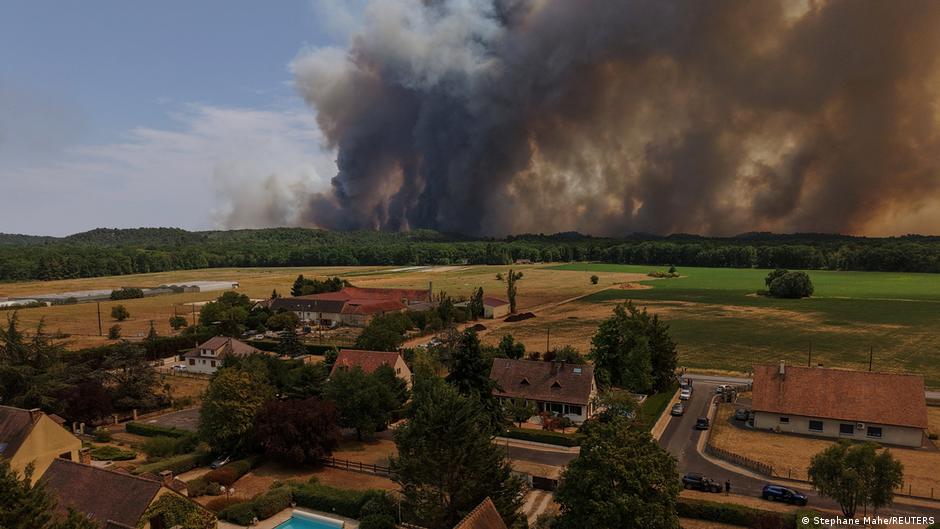
A significant forest fire near Paris has prompted the detention of two individuals on suspicions of arson, as authorities reported over 1300 hectares of woodland consumed by flames in the Fontainebleau forest. The incident, which led to the evacuation of around one thousand residents, underlines increasing climate-related risks with repercussions for British and European economic interests, particularly in the sterling and London markets.
Details of the Incident and Response Efforts
On July 13, French Interior Minister Laurent Nunez confirmed the arrest of two suspects linked to the fire near the commune of Fontainebleau, approximately 60 kilometers southeast of Paris. One of the detainees, an 18-year-old with no prior convictions, was reportedly found with soot-covered hands and a lighter, raising suspicions of deliberate or accidental ignition.
The fire is among the most severe forest blazes recently recorded in the Paris suburbs. Firefighting efforts involved approximately 600 personnel, supported by aerial firefighting resources including four Canadair water bombers, two Dash planes, and three helicopters. Commanding officer Jean-Marc Sicard reported a total of 187 water drops were executed to control the flames.
The blaze has also caused closures of several major highways, impacting regional logistics and transportation networks that connect to key economic hubs, including London via Channel crossings. Such disruptions may exacerbate supply chain vulnerabilities at a time when European markets remain sensitive to environmental and infrastructural shocks.
"The scale of this fire and the ongoing heatwave underline the urgent need for coordinated climate risk mitigation policies across the UK and EU," said an environmental analyst based in London.
Broader Climate Context and Economic Implications
France is currently enduring its third heatwave of the year, with wildfires affecting approximately 32,000 hectares nationwide — nearly double the area affected in the same period last year. Authorities have detained 59 individuals suspected of causing fires either intentionally or through negligence, such as improperly discarded cigarettes.
This environmental crisis parallels severe heat-related mortality in Germany, where the Robert Koch Institute estimates around 5,100 deaths occurred during June’s anomalous heatwave. Copernicus Climate Change Service (C3S) data indicates June 2026 was the hottest June on record in Western Europe, with average temperatures around 3°C above the 1991-2020 baseline.
For UK and EU businesses, these developments emphasize the increasing frequency and severity of extreme weather events, which could impact energy demand, agriculture, and insurance markets. London’s financial sector, heavily invested in European assets and climate risk financial products, is closely monitoring these trends.
Experts suggest that such climate incidents reinforce the importance of sustainable investment strategies and resilience planning within British and European markets. The sterling exchange rate is also susceptible to fluctuations influenced by climate-related economic disruptions in the EU, given the close economic ties.
As Europe confronts the challenges of climate change, incidents like the Fontainebleau fire serve as a stark reminder of the intertwined environmental and economic risks facing the region, with implications for cross-border cooperation and market stability.