US Plans to Revive Iraq-Syria Oil Pipeline to Circumvent Strait of Hormuz, Impacting UK and EU Energy Markets
Washington seeks to reduce Iranian influence by restoring a long-dormant oil pipeline from Iraq to Syria, with implications for British and European energy supply chains.
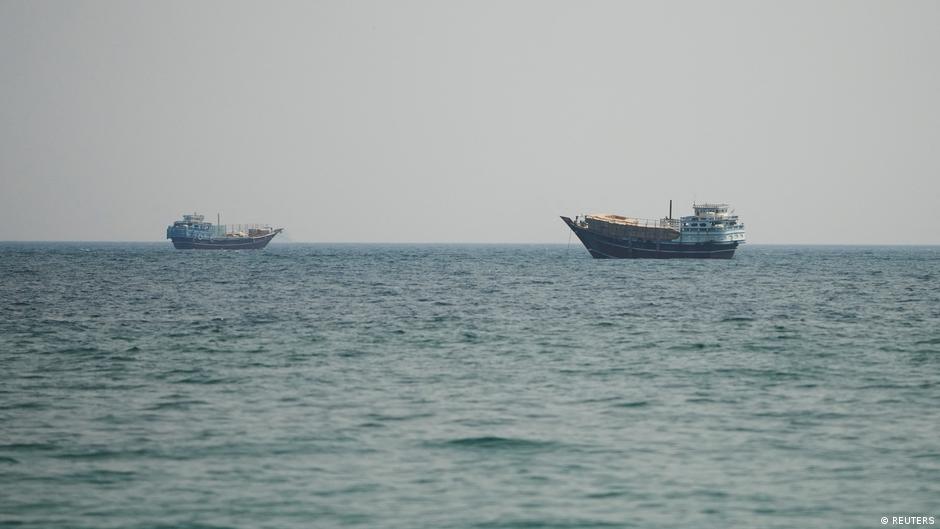
The United States is advancing negotiations to restore and potentially build new oil pipelines transporting crude from Iraq to Syria's western coast, a strategic move intended to bypass the Strait of Hormuz and diminish Iran's leverage over global energy flows. This initiative carries significant implications for British and European energy interests amid growing Middle East tensions.
Pipeline Project Aims and Regional Challenges
According to sources familiar with the matter, Thomas Barrack, the US special envoy for Syria and Iraq, has engaged with officials from both countries and representatives from major energy firms, including Chevron Corporation, to discuss the reactivation of a long-neglected pipeline running from Kirkuk in Iraq to Banias on Syria's Mediterranean coast. This pipeline, out of operation for more than two decades, could provide a critical alternative route for oil exports that does not rely on passage through the Strait of Hormuz.
Such a route would strategically reduce the vulnerability of global oil shipments to disruptions linked to Iranian control over the Strait of Hormuz—a chokepoint through which approximately 20% of the world's petroleum passes. For the United Kingdom and the wider European Union, whose energy security remains a priority, diversifying supply routes away from this volatile corridor is of heightened interest.
A US State Department representative confirmed the American administration's hopes that US companies will play a key role in rehabilitating the pipeline infrastructure. This aligns with President Donald Trump’s recent meetings, including one with Iraqi Prime Minister Ali al-Zaydi at the White House, where announcements of forthcoming large-scale oil partnerships were hinted.
"The restoration of alternative oil transport routes is crucial to ensuring stability and security in energy supplies for the transatlantic partners," said an industry analyst following the developments.
European energy giants such as TotalEnergies SE and investment groups from Los Angeles and Qatar have also engaged in discussions to expand Syria's potential as an export hub, indicating a multi-national interest in the project's success.
Security and Political Risks in Pipeline Construction
However, the pipeline's proposed routes face significant obstacles. Likely paths traverse Iraq's western Anbar province and eastern Syria, territories still affected by Islamic State insurgent cells and recent instability. This raises concerns about the feasibility and security of construction and ongoing operations.
Investors and governments involved will need to weigh these risks against the potential rewards of establishing a stable, alternative energy corridor. The success of this venture hinges on the ability of new regional authorities to consolidate control and stabilize the region following years of civil conflict.
Recent escalations in Middle Eastern tensions underscore the urgency of securing long-term alternatives to the Strait of Hormuz. Earlier in July, President Trump reinstated a maritime blockade regime around the strategic strait but simultaneously retracted plans to impose a 20% tariff on maritime cargo, opting instead to pursue revenue via trade agreements with Gulf states. This nuanced approach reflects the complex balancing act faced by US and allied policymakers in managing energy security and diplomatic relations in the region.
For London and Brussels, the revival of the Iraq-Syria pipeline project represents both an opportunity and a challenge. On one hand, it could help diversify energy supply routes and reduce exposure to regional chokepoints. On the other, it places European companies and governments in a complex geopolitical environment requiring careful navigation of risks and alliances.