US Strikes on Iranian Targets Escalate Tensions Impacting UK and EU Economic Interests
Recent US military actions against Iran raise concerns over energy security and market stability in London and European financial hubs.
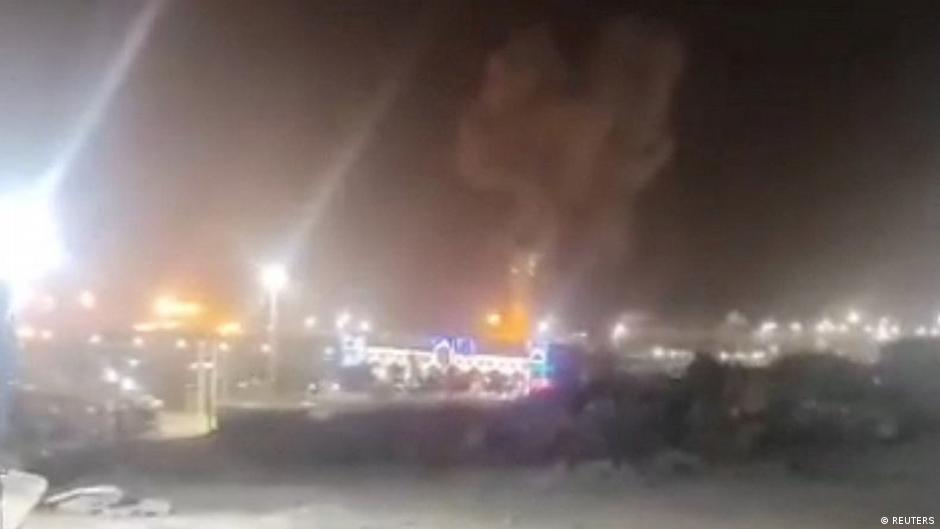
The United States military conducted two waves of strikes targeting Iranian military and infrastructure sites, alongside an attack on a tanker in the Persian Gulf, heightening geopolitical tensions that have significant implications for the UK and European markets.
Strategic Impact on UK and European Business Interests
On 16 July, US Central Command (CENTCOM) reported airstrikes on Iranian port facilities in Sirik and Bandar Abbas near the Strait of Hormuz—a vital chokepoint for global oil shipments. Additional attacks hit industrial sites near the island of Qeshm and cities including Ahvaz and Rasak. The strikes aim to degrade Iran's military command capabilities, air defense systems, missile, and drone infrastructure.
Significantly, the US also targeted the tanker M/T Belma, registered in Curaçao, which attempted to breach the US-imposed maritime blockade by heading towards the Iranian port of Harg. The vessel was disabled by Hellfire missiles launched from a US aircraft, signaling a hardened stance on enforcing sanctions and maritime restrictions.
These developments pose direct risks to global energy supply chains, as the Strait of Hormuz remains one of the world’s most critical passageways for crude oil exports. British and European markets, heavily reliant on stable energy imports, are monitoring the situation closely. Increased tensions often drive up oil prices, affecting the sterling exchange rate and market volatility in London.
"The US strikes aim to further restrict Iran’s ability to threaten commercial shipping, which is crucial for maintaining supply stability through the Strait of Hormuz," noted an energy security analyst.
In retaliation, Iran launched attacks on US military bases in Bahrain and Kuwait, including multiple explosions near the US Navy’s Fifth Fleet headquarters. These counterstrikes have prompted partial airspace closures over Saudi Arabia and Jordan, raising further concerns about regional stability.
The military escalation coincides with Washington’s renewed naval blockade initiated on 14 July, aimed at curbing Iranian maritime activity. CENTCOM reported redirecting two commercial vessels and enforcing force on one within the first 24 hours of the blockade’s reinstatement.
Alongside military measures, US Vice President JD Vance acknowledged the complexity of the conflict while emphasizing ongoing economic pressure and diplomatic engagement with moderate Iranian factions. His remarks suggest a multifaceted US approach combining sanctions with dialogue, which European stakeholders will watch for any shifts in regional dynamics affecting trade and investment.
For London’s financial markets, the unfolding events underscore the fragile balance between geopolitical risk and economic opportunity. Investors and policymakers will be attentive to oil price fluctuations, sterling exchange rates, and any supply chain disruptions that could arise from sustained conflict in the Persian Gulf.