CIA Director Highlights Severe Russian Soldier Casualties Impacting UK and EU Security Interests
CIA head reveals average survival time of Russian conscripts in Ukraine is just 20-30 minutes, underscoring technological shifts affecting European defense dynamics.
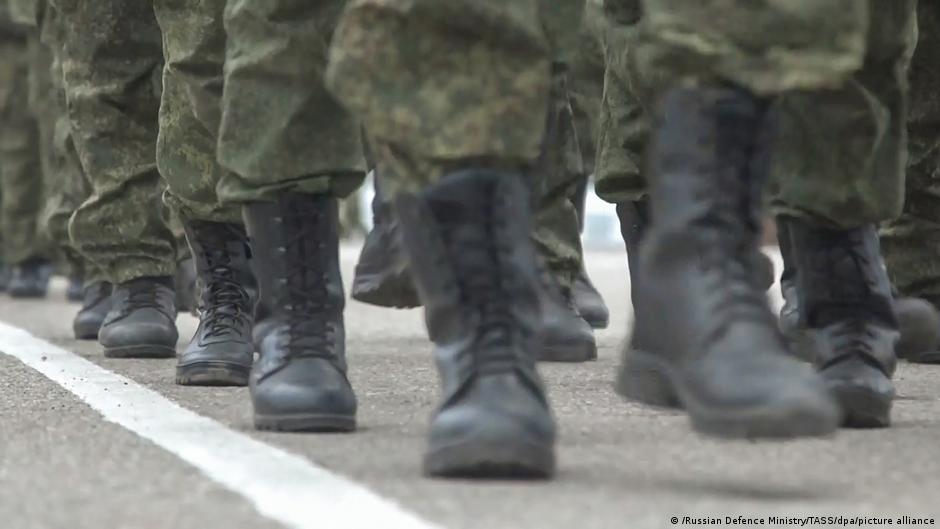
John Ratcliffe, Director of the Central Intelligence Agency (CIA), has disclosed alarming intelligence regarding the survival rates of Russian conscripts on the battlefield in Ukraine. Speaking at the Defense and Innovation Summit in Pennsylvania on July 15, Ratcliffe stated that the average lifespan of a newly deployed Russian soldier in Ukraine is between 20 and 30 minutes.
Implications for British and European Markets and Security
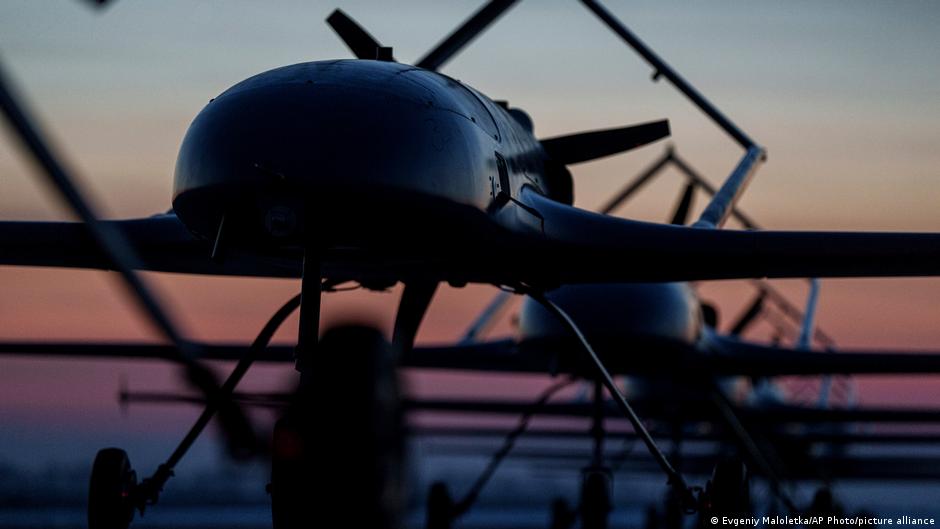
According to Ratcliffe, this drastic reduction in survival time is largely attributable to the rapid development and deployment of artificial intelligence (AI)-enabled drones by Ukrainian forces. These drones have become specialized, cost-effective lethal assets that have significantly tilted the battlefield dynamics.
"Unmanned aerial vehicles powered by AI have emerged as affordable and sophisticated killing machines," Ratcliffe noted, emphasizing their role in leveling the combat capabilities between the Ukrainian defenders and the Russian military.
This technological edge is a critical factor for the UK and European Union, both of which maintain strategic interests in Eastern European stability and security. The enhanced efficiency of Ukrainian defenses has led to a marked decline in the pace of the Russian military advance, thereby affecting regional security calculations.
Washington’s Center for Strategic and International Studies (CSIS) further supports these insights, indicating that Russian military casualties have grown substantially. Their analysis shows that by 2026, Russian forces were suffering eight times more casualties than Ukrainian forces, a stark increase from earlier ratios of two to three times higher.
The CSIS report estimates total casualties—including killed, wounded, or missing in action—at around two million since the full-scale conflict began in February 2022. Of these, approximately 1.4 million are Russian military personnel.
Significantly, over 90% of Russian losses are attributed to drone strikes rather than direct combat engagements. This shift in the nature of warfare is expected to have ripple effects on defense procurement, military strategy, and political decision-making within the UK and the broader European Union.
Financial markets in London and across Europe are closely monitoring these developments, as the increased reliance on AI-driven military technology is likely to influence defense sector investments and sterling exchange rates. The UK's defense manufacturers may see heightened demand for advanced drone technologies and counter-drone systems, potentially boosting the sector's performance.
Moreover, the heightened casualty rates within the Russian military underscore the ongoing risks of escalation and prolonged conflict, which remain significant concerns for European policymakers focused on regional stability and energy security.
As the conflict evolves, the UK's role within NATO and its collaboration with EU partners will be critical in coordinating responses to emerging threats and technological warfare paradigms.