Trump Alleges Chinese Interference in 2020 US Elections, Raising Concerns for UK and EU Markets
Former President Trump claims China accessed data of 220 million US voters to influence 2020 elections, highlighting risks for transatlantic political and economic stability.
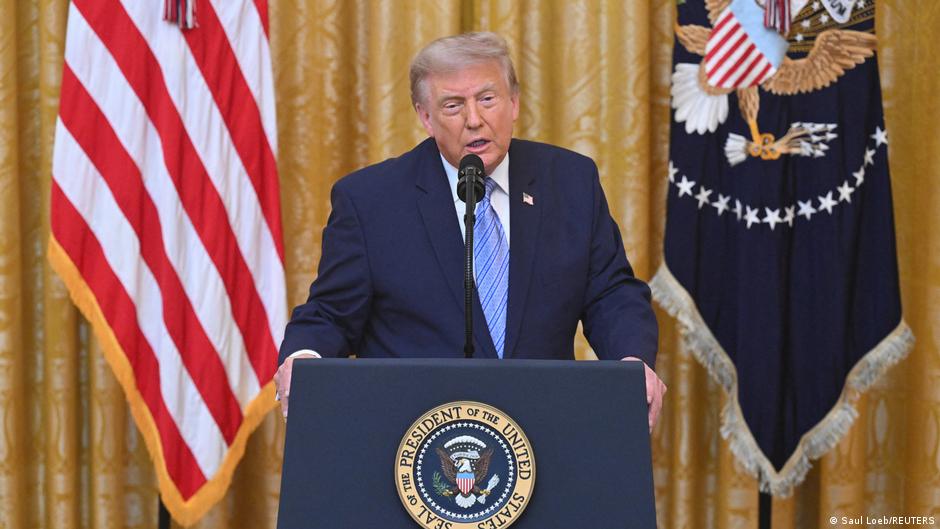
In a 25-minute address to the nation, former US President Donald Trump accused China of conducting what he described as the largest election data breach in history, targeting the 2020 US presidential election. Trump alleged that Chinese actors obtained sensitive information on approximately 220 million American voters, including names, addresses, phone numbers, and political affiliations. These claims, if substantiated, could have significant implications for the stability of democratic processes and international relations, particularly affecting UK and European interests.
Details of the Alleged Data Breach and Election Interference
Speaking during a live broadcast on the White House's YouTube channel on July 17, Trump asserted that China gained access to voter data through purchases, theft, or hacking. He warned that this operation, which allegedly began during the 2020 campaign, represented a "shocking vulnerability" in the US electoral system.
"China conducted an operation believed to be the largest election data breach in history," Trump stated, emphasizing that information on millions of voters was compromised.
Trump also highlighted systemic flaws, pointing out that around 278,000 individuals registered as voters in four US states were not US citizens, further questioning the integrity of the election process.
According to Trump, China used the stolen data to influence the 2020 presidential election, seeking to ensure his defeat in favor of Democrat Joe Biden. He claimed that the Chinese government not only manipulated votes but also paid journalists to publish negative stories about him, paying "huge sums" to amplify critical coverage. Trump linked this alleged interference to his administration's plans to impose multi-billion dollar tariffs on China and efforts to build a more powerful US military.
Moreover, Trump warned that other adversaries, including Russia, Iran, North Korea, and certain non-state actors, might exploit similar vulnerabilities in the US election infrastructure.
Implications for UK and European Markets
These allegations come at a time when geopolitical tensions between the US, China, and other global powers remain high. For the UK and European Union, the accusations raise concerns about cybersecurity and political stability in one of their closest allies. London’s financial markets, deeply intertwined with global investor confidence, could be sensitive to perceptions of instability in US political systems.
Market analysts suggest that heightened geopolitical uncertainty, especially involving key players like China and the US, could influence sterling’s performance and investment flows across European markets. The possibility of foreign interference undermining democratic processes may prompt regulatory reviews and increased scrutiny of data security within the UK and EU financial sectors.
Demand for Transparency and Accountability
Trump called on top US intelligence and law enforcement agencies, including the Office of the Director of National Intelligence, the Department of Justice, FBI, and CIA, to investigate how this critical information was allegedly concealed from both the president and the American public. He urged the dismissal of officials responsible and the initiation of criminal proceedings where justified.
Such calls for transparency resonate beyond US borders, as allies in Europe and the UK watch closely for any developments that might affect the integrity of transatlantic cooperation on cybersecurity, intelligence sharing, and electoral integrity.
As Trump's allegations gain attention, UK and European businesses, investors, and policymakers may increasingly evaluate their exposure to geopolitical risks emanating from Sino-US relations and the broader security environment.