Uzbek Central Bank Holds Key Rate at 14% Amid Inflation and External Risks
Despite easing inflation, Uzbekistan’s central bank maintains interest rates due to persistent food price inflation and global uncertainties.
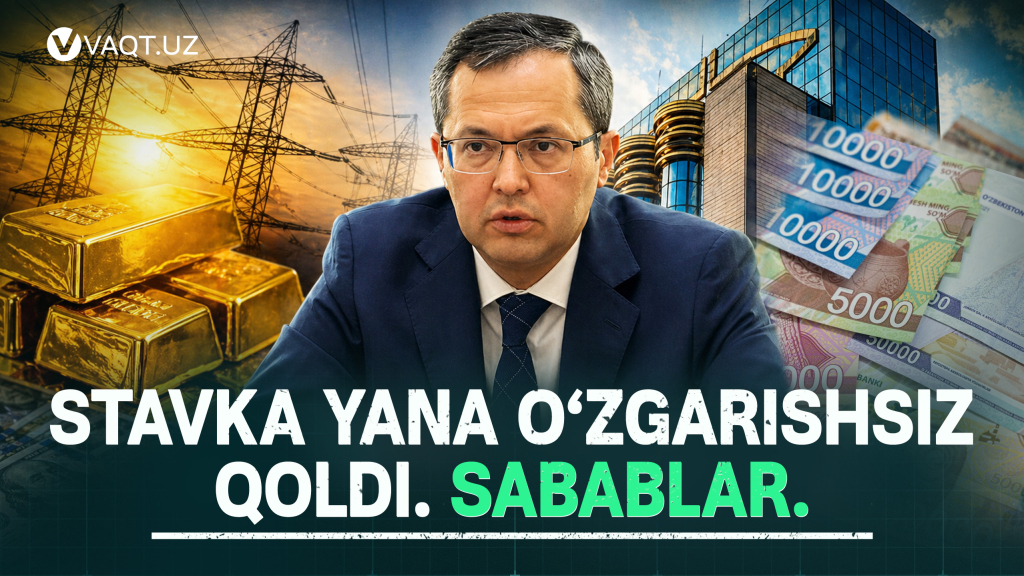
On April 29, Uzbekistan's Central Bank's governing board decided to keep the key interest rate steady at an annual rate of 14%. This decision reflects ongoing economic conditions, inflation trends, and external risk factors influencing the country’s monetary policy.
Balancing Inflation Trends and External Pressures
While overall inflation has shown a downward trend, dropping to 7.1% year-on-year in March 2024, the central bank remains cautious. Inflation expectations are also declining, signaling some positive momentum. However, the persistent rapid increase in food prices remains a critical challenge. Prices for essential goods continue to rise above the inflation average, putting sustained upward pressure on cost of living.
"Although inflation is declining, the process has slowed and certain sectors show no improvement," said Temur Ishmetov, Chairman of the Central Bank.
Energy tariffs and utility price adjustments are significant components of inflation calculations. The bank had factored in a tariff increase of up to 10% announced earlier this year, though final figures are yet to be confirmed.
External economic conditions also weigh heavily on Uzbekistan's monetary decisions. The International Monetary Fund recently lowered its global growth forecast and highlighted ongoing inflation risks. Fluctuations in energy and food prices globally could further impact domestic inflation dynamics.
Uzbekistan's economy grew by 8.7% in the first quarter, surpassing projections. This robust growth may boost domestic demand, potentially leading to additional inflationary pressures, which the Central Bank considered when maintaining the current interest rate.
Implications for UK and European Markets
The decision to hold the key rate steady in Uzbekistan impacts foreign investors, including those from the UK and European Union. The country’s continued inflation challenges and external uncertainties underscore the cautious stance of its monetary authority. For British and EU businesses engaged in or considering investments in Uzbekistan, this signals a stable yet vigilant economic environment.
Investors and financial institutions in London monitoring emerging markets will note how Uzbekistan balances inflation control with growth support. The persistent food price inflation indicates underlying vulnerabilities, while global economic pressures, especially in energy pricing, might influence currency and commodity market dynamics linked to the region.
Moreover, Uzbekistan's commitment to a free-floating exchange rate policy, rejecting artificial interventions, aligns with international market liberalization trends, creating a more predictable environment for currency traders and cross-border investments.
Outlook for Monetary Policy
The Central Bank emphasized that future decisions will hinge on inflation and risk developments. Should inflation pressures ease, a reduction in the key rate may follow. Conversely, increased risks could prompt tighter monetary measures.
Ongoing privatization efforts of state-owned banks, including Sanoatqurilishbank, Aloqabank, and Asakabank, are also noteworthy. Although the Central Bank is not directly involved, it participates in assessments related to these reforms, which could affect the financial sector's stability and opportunities for international partnerships.
For UK and European businesses, these developments highlight the importance of monitoring Uzbekistan’s economic policies as the country navigates inflation control, external risks, and financial sector reforms amid a dynamic global context.