Uzbekistan Halts Gold Exports, Impacting Trade Flows and Sterling Market Dynamics
Uzbekistan’s suspension of gold exports leads to a 29% drop in export volumes, influencing UK-EU trade and London gold market sentiment.
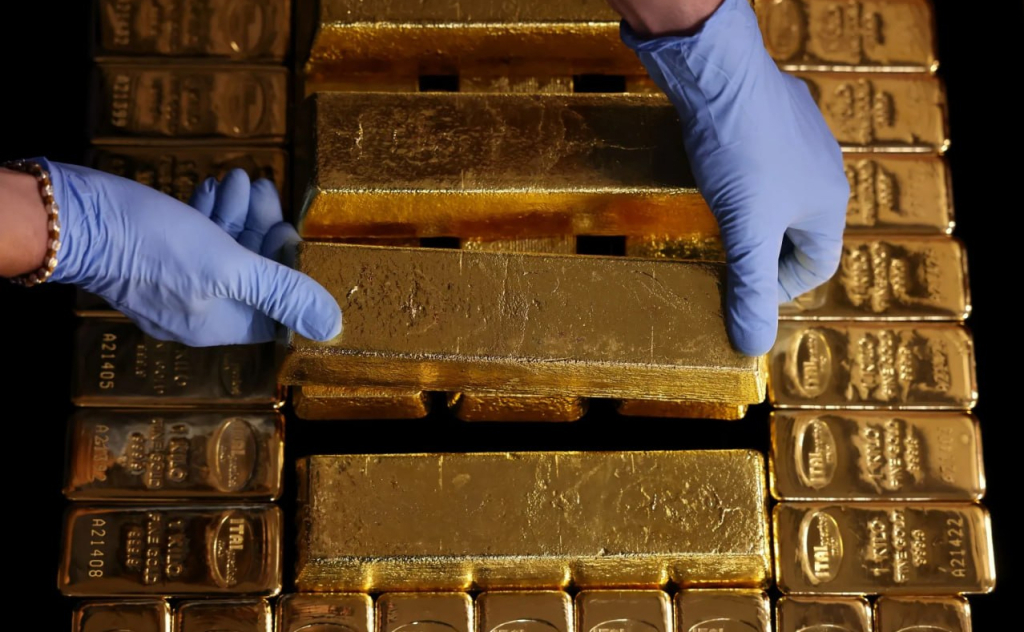
In a significant development affecting global commodity markets and trade dynamics, Uzbekistan has ceased gold exports for over six months, a move that has led to a nearly 30% decline in the country's export volume compared to the previous year. This halt, unprecedented since early 2023, is reverberating through international markets, particularly impacting the British pound and the London gold trading hub.
Trade Shifts and Economic Implications for UK and EU Markets
During the first quarter of 2026, Uzbekistan’s foreign trade turnover reached $18 billion, marking a modest increase of 2.7% from the same period in 2025. However, the export sector saw a dramatic contraction of 29.3%, descending to $5.8 billion, while imports surged by 30.8% to $12.2 billion. This shift underscores an increasing trade imbalance that may influence commodity prices and currency valuations.
Uzbekistan’s trade relations remain heavily dominated by China, with bilateral trade hitting $4.6 billion in the first quarter — representing roughly a quarter of Uzbekistan’s total foreign trade. Russia maintains its position as the second-largest trade partner at $3.3 billion, followed by Kazakhstan at $1.3 billion. Encouragingly, Uzbekistan recorded growth with its top 20 trade partners compared to 2025, signaling resilience despite the export slump.
“The Central Bank highlighted the importance of maintaining high gold reserves amid the suspension of gold sales to stabilize the national economy,” Uzbek authorities stated.
Notably, Uzbekistan has not exported any gold since September 2025. In the first quarter of 2025 alone, gold exports totaled $3.6 billion, underscoring how this commodity had previously contributed substantially to foreign earnings. The suspension coincides with a decline in gold prices during March 2026, which fell from approximately $5,300 per ounce to around $4,400, diminishing the financial incentives for sales.
For the UK and European markets, the cessation of Uzbekistan’s gold exports carries multifaceted implications. London, as a global center for gold trading, may face supply pressures that affect price stability and market liquidity. Additionally, sterling’s valuation could see fluctuations as commodity price shifts impact investor sentiment and trade balances across Europe.
British businesses involved in precious metals trading and financial services may need to monitor these developments closely, as shifts in Central Asian commodity flows can influence broader market trends. Meanwhile, EU importers and manufacturers reliant on raw materials could experience cost adjustments stemming from Uzbekistan’s export policies and the associated gold price volatility.
Moving forward, market watchers will be attentive to how Uzbekistan manages its reserves and trade partnerships, especially with China and Russia, as well as any potential resumption of gold exports. These factors will be crucial in shaping trade patterns and financial market responses across both the UK and European Union.