US to Cut Troop Numbers in Germany by 5,000, Raising Implications for UK and EU Markets
Pentagon orders withdrawal of 5,000 troops from Germany within a year, impacting transatlantic defense ties and London market sentiment.
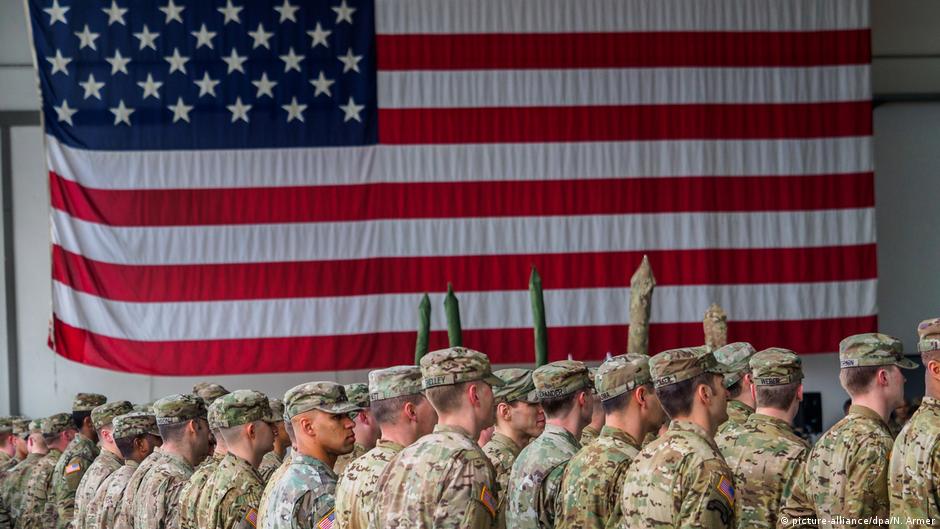
The United States Department of Defense has issued an order to reduce American troop presence in Germany by approximately 5,000 personnel over the next twelve months. This move, confirmed by Pentagon spokesperson Sean Parnell, signals a significant adjustment in US military posture in Europe, where over 35,000 US troops are currently stationed—more than in any other European Union country.
Strategic and Economic Implications for the UK and Europe
The decision follows a comprehensive review of US military deployments across Europe and considers operational requirements and local conditions. Historically, Germany has been the cornerstone of American military power in Europe, hosting around 36,400 troops as of December 2025. This is a marked decline from the Cold War peak of 250,000 personnel stationed there in 1985.
From a British and European business perspective, the reduction in US forces may have multifaceted effects. Defence-related contracts, security collaborations, and local economies around bases could experience changes, potentially influencing sterling and euro exchange rates due to shifts in investor confidence concerning geopolitical stability.
The London financial markets, closely attuned to geopolitical developments impacting European security, may interpret the troop reduction as a recalibration of US commitment to continental defense. While the UK maintains its own defense posture, its security partnership with the US and EU neighbors could see subtle adjustments. Businesses engaged in defence supply chains and infrastructure services within the UK and EU should monitor these evolving dynamics.
"The withdrawal of troops will be completed within six to twelve months," said Pentagon spokesperson Sean Parnell, emphasizing the tactical and operational rationale behind the move.
German authorities have responded calmly to the announcement, with Chancellor Friedrich Merz reaffirming the strategic value of US military presence in Germany. During a visit to a military training ground in Munster, Lower Saxony, Merz stressed the importance of close transatlantic cooperation, stating that US forces operate "shoulder to shoulder, in deep transatlantic cohesion," which benefits both parties.
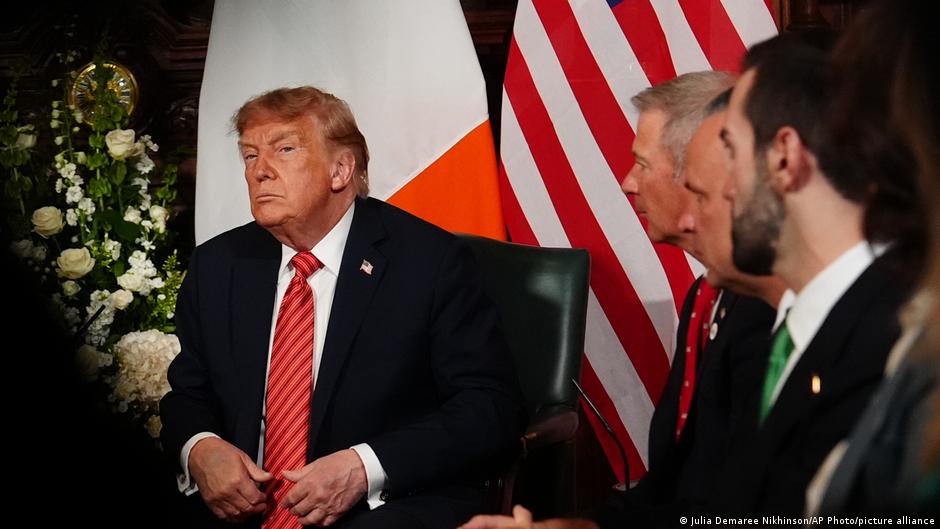
This announcement comes shortly after a diplomatic exchange between Chancellor Merz and former US President Donald Trump, who had publicly considered reducing troop numbers in Germany amid broader tensions regarding US and Israeli policies toward Iran. While the threat of partial troop withdrawal is not unprecedented—Trump hinted at it multiple times during his first term—the eventual number of US troops in Germany had increased until now.
US Congressional restrictions have further complicated executive decisions on troop deployments, limiting potential large-scale withdrawals without legislative approval.
Market Reaction and Future Outlook
Financial markets in London and across Europe will likely continue to assess the ramifications of this troop reduction against the backdrop of broader geopolitical shifts, including NATO relations and transatlantic trade. While immediate market disruptions are not anticipated, the strategic realignment underscores the need for businesses and policymakers to remain vigilant about evolving security landscapes.
As the US proceeds with its troop reduction plan, its impact on the sterling and European economies will be closely monitored by investors and analysts, with a focus on potential shifts in defense spending, bilateral cooperation, and regional stability.