EU-Mercosur Trade Deal Launches Temporarily, Impacting UK and European Markets
The new EU-Mercosur free trade agreement initiates cross-continental trade easing, with implications for British sterling and London’s financial sector.
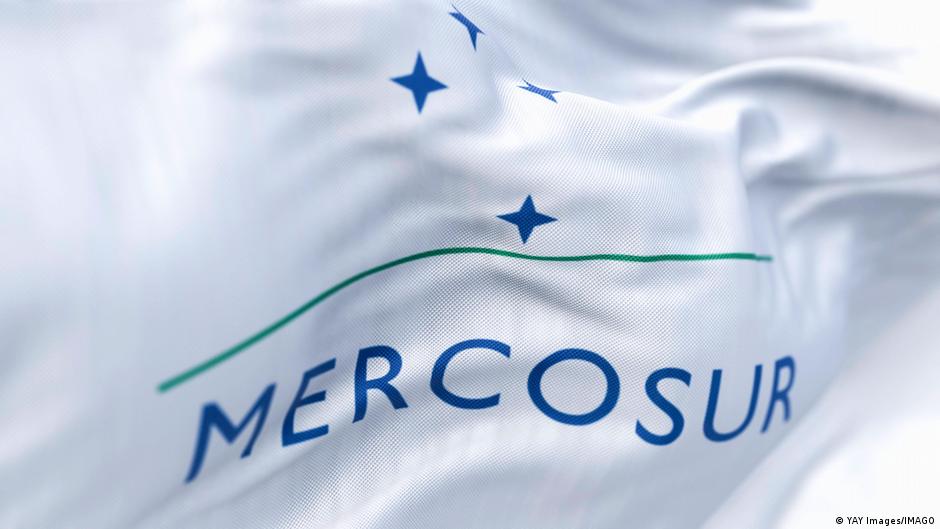
On May 1st, the European Union and the South American Mercosur bloc—comprising Brazil, Argentina, Uruguay, and Paraguay—activated a free trade agreement on a provisional basis. This development is expected to recalibrate trade flows between Europe and South America, with particular relevance for UK-EU economic relations and London’s financial markets.
Trade Dynamics and Market Reactions
The agreement aims to gradually eliminate tariffs and trade barriers, fostering increased exchange of goods and services. German industry representatives have highlighted significant opportunities for automotive, mechanical engineering, and pharmaceutical sectors under the new regime. Currently, trade between Germany and Mercosur countries constitutes about 1% of Germany’s total external trade, but the deal signals a potential expansion.
“The entry into force of the EU-Mercosur agreement marks a pivotal moment for trade with South America,” said Volker Treier, head of foreign trade at the German Federation of Chambers of Commerce and Industry (DIHK). “Nearly half of internationally active companies anticipate tangible impacts.”
For the UK, which maintains close economic ties with the EU, this agreement presents both challenges and opportunities. While the UK is no longer part of the EU customs union, sterling’s sensitivity to EU trade developments means that currency markets, including London’s financial sector, are watching closely. The trade deal could influence supply chains and market access, especially for British companies operating in or trading with the EU and South America.
Political and Legal Complexities
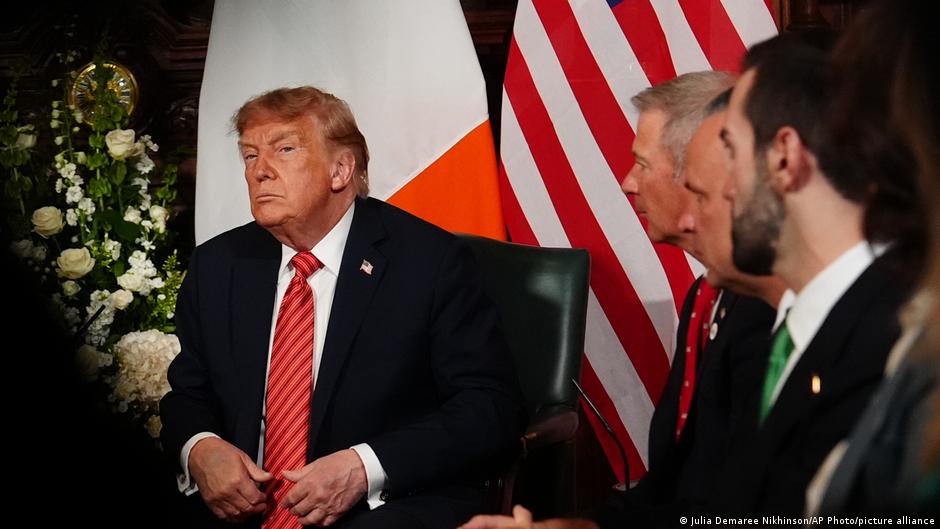
The EU-Mercosur agreement was signed after more than 25 years of negotiations and covers a market of approximately 720 million people. It promises to reduce customs duties by billions of euros and is perceived as a counterbalance to protectionist trade policies, such as those enacted by the United States under former President Donald Trump.
However, full implementation hinges on approval by the European Parliament, where concerns about compliance with European laws have emerged. The deal extends beyond tariff reductions, encompassing investment and environmental standards, sparking debate among lawmakers. Some Members of the European Parliament (MEPs) argue that ratification should require consent from national parliaments as well, complicating the legislative pathway.
In response, the European Parliament has referred the agreement to the Court of Justice of the European Union for legal review, a process expected to take several months. Meanwhile, the European Commission, backed by the European Council, decided not to await the court’s verdict before enabling partial trade mechanisms, following ratification by Uruguay and Argentina.
Environmental and Agricultural Concerns
France and Austria have voiced strong opposition within the EU, fearing the deal may undermine European environmental standards and disadvantage local farmers due to cheaper Mercosur agricultural imports. Environmental groups caution that the agreement could exacerbate deforestation in the Amazon rainforest, intensifying global ecological concerns.
These tensions underscore the complex balance the EU—and by extension, the UK—must navigate between expanding trade opportunities and upholding regulatory and environmental commitments. For UK businesses and policymakers, the unfolding situation offers a case study in how international trade agreements influence regional market conditions, currency movements, and regulatory environments.
As the UK continues to define its post-Brexit trade policies, developments in EU external trade agreements like the Mercosur deal will remain crucial factors affecting British sterling and London’s position as a global financial hub.