Growing Income Gap in Germany Raises Concerns for UK and EU Markets Amid Inflation Surge
Oxfam reports widening pay disparities in Germany as CEO salaries soar while average wages lag, impacting sterling and London market sentiment.
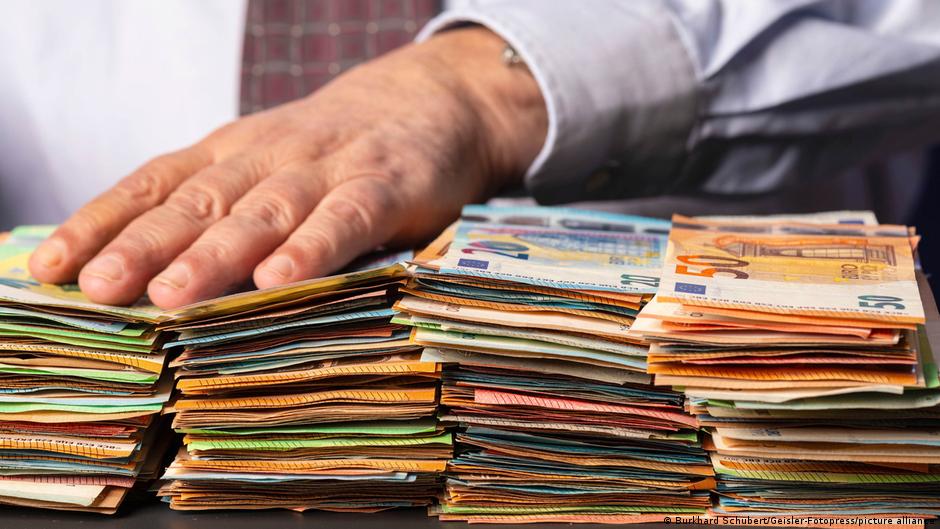
Income inequality in Germany continues to widen sharply, with executive pay surging even as average worker wages remain below pre-pandemic levels, according to a recent analysis by Oxfam. This trend has significant implications for UK and European business environments, particularly in relation to sterling stability and investor confidence in London.
Disparity Between CEO and Worker Salaries Expands
The report highlights that since 2019, salaries of 25 CEOs from Germany's DAX 40 companies have increased by a staggering 56%, rising from an average of €4.5 million to nearly €7 million. Meanwhile, the earnings of ordinary employees, adjusted for inflation, have not kept pace and remain slightly below 2019 levels.
“This growing inequality poses a threat to our democracy,” Oxfam stated, emphasizing the socio-economic risks of the widening wage divide.
Globally, CEO pay has increased by 54% from 2019 to 2025, adjusted for inflation — climbing from an average of $5.5 million (€4.7 million) to $8.4 million (€7.1 million). In stark contrast, real wages for average workers have declined by 12%, meaning that the typical employee would need to work nearly 490 years to earn what a CEO makes in a single year.
Impact on UK-EU Business Relations and Sterling
For British and European investors, these disparities highlight growing economic challenges within the Eurozone, driving caution in cross-border capital flows and affecting sterling amidst fluctuating risk appetites. The persistent inflationary pressures in Germany, a key EU economy, weigh on the purchasing power of households, even as corporate executives enjoy substantial salary gains.
Energy costs and housing expenses are increasingly burdensome for many German families, factors that contribute to consumer sentiment which in turn influence broader market dynamics in London and the continental financial hubs. The divergence between executive compensation and average wages may fuel social discontent that can translate into political risks, factors closely monitored by UK businesses invested in Europe.
Calls for Policy Reforms Amid Inflation and Geopolitical Uncertainties
Oxfam recommends that Berlin implement higher taxes on the ultra-wealthy, both nationally and within global frameworks, alongside establishing a minimum wage of at least €15 per hour to counteract social inequality. This push for progressive taxation and wage reform could influence regulatory landscapes that UK firms must navigate when engaging with German counterparts.
Compounding these economic challenges, geopolitical developments — notably the escalating conflict involving the US, Israel, and Iran — are projected to shave at least 0.2 percentage points off Germany's GDP growth, according to Munich's ifo Institute. Supply chain disruptions, higher energy prices, and rerouted maritime traffic around the Persian Gulf add layers of complexity for businesses operating between the UK and EU.
As London remains a vital financial center for European investment, understanding these shifts in Germany's economic and social fabric is essential for stakeholders aiming to anticipate market fluctuations and policy changes that could impact sterling and cross-border trade.