Italy and Germany Urge Respect for International Law After Israeli Interception of Gaza Aid Flotilla
European powers call for adherence to maritime laws following Israel’s halt of humanitarian ships near Greece, impacting UK and EU diplomatic interests.
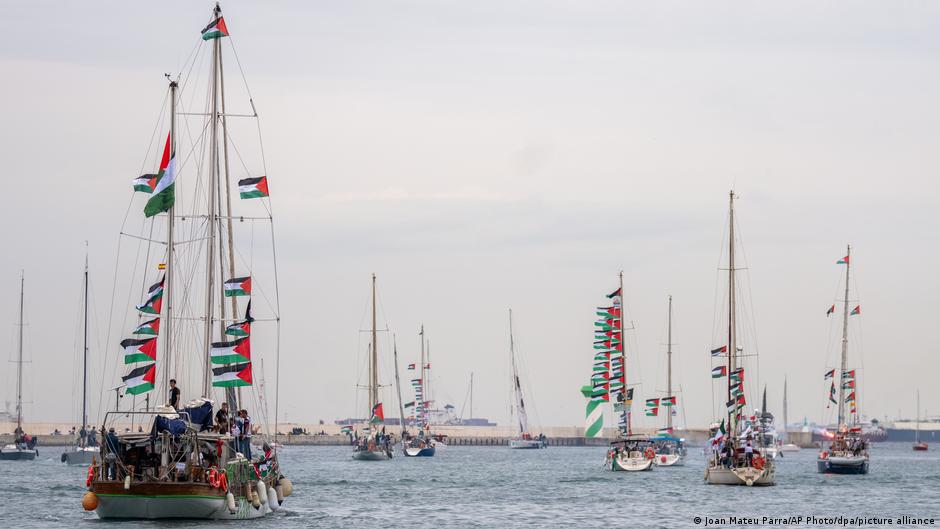
Italy and Germany have jointly expressed serious concern over Israel’s interception of a flotilla delivering humanitarian aid to the Gaza Strip, emphasizing the importance of strict adherence to international law. The incident, which unfolded in international waters near the Greek island of Crete, has drawn attention from European governments, highlighting the sensitive geopolitical dynamics influencing UK and EU interests.
European Response and Diplomatic Implications
In a statement released by Germany’s Foreign Ministry on April 30, both countries condemned any "irresponsible actions" that could exacerbate tensions in the region. They underscored their commitment to ongoing international efforts to provide humanitarian assistance to Gaza in compliance with legal standards.
"We call for the unequivocal respect of existing international law and a rejection of irresponsible actions," the joint declaration stated.
The flotilla, organized by the Global Sumud Flotilla group, comprised over 20 vessels carrying aid aimed at breaking the Israeli naval blockade of Gaza, which has been in place since 2007 with Egyptian support. Israeli naval forces detained dozens of activists and halted the ships west of Crete, with some vessels later continuing their journey along Greece’s territorial waters.
For the UK and broader European Union, the episode raises concerns about maritime security, freedom of navigation, and the stability of diplomatic relations in the Eastern Mediterranean. London’s financial markets have reacted cautiously to the news, with sterling experiencing minor fluctuations amid investor uncertainty regarding regional geopolitical developments.
The flotilla’s organizers aimed not only to deliver aid but also to promote the establishment of a permanent humanitarian corridor into Gaza. This effort follows a fragile ceasefire agreement brokered in October 2025 involving Israel, Hamas, and international stakeholders such as the US, Turkey, Qatar, and Egypt.
Notably, the high-profile participation of Swedish climate activist Greta Thunberg in a similar flotilla last August brought additional international attention to the cause. The UK government, alongside EU partners, continues to monitor the situation closely in line with its commitment to regional stability and humanitarian principles.
As the conflict dynamics evolve, the UK and EU face the complex task of balancing diplomatic pressure, humanitarian concerns, and economic interests, particularly in relation to trade routes and energy supplies in the Mediterranean corridor.