US Arms Supply Delays to Europe Amid Iran Conflict Raise Concerns for UK and EU Markets
Washington's urgent rearmament efforts cause significant weapons shipment delays to European allies including the UK, impacting London’s defence sector and sterling.
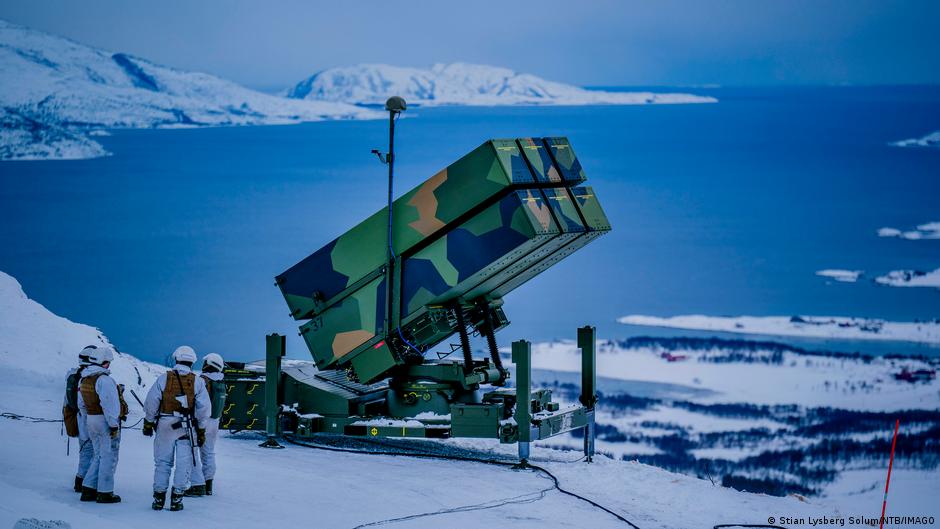
The United States has informed its European allies, notably the United Kingdom, Poland, Lithuania, and Estonia, of substantial delays in arms shipments due to urgent efforts to replenish US military stockpiles depleted by conflict with Iran, according to multiple sources cited by the Financial Times.
Impact on European Defence and UK Markets
Among the affected supplies are ammunition for key missile systems such as NASAMS and HIMARS rocket launchers, critical to the defence capabilities of several NATO members. The UK, a significant recipient and operator of US military technology, faces a direct impact on its defence readiness and related sectors. These delays have sent ripples through London’s defence market, where companies involved in maintenance and integration of such systems are now bracing for prolonged uncertainty.
“The delay in arms deliveries represents a significant challenge for European partners relying on US military support amid ongoing regional conflicts,” a defence industry analyst commented.
Besides Europe, similar disruptions are anticipated for US allies in Asia, including Japan and South Korea, underscoring the global scale of supply chain adjustments. The Pentagon has stated it is "carefully evaluating" new equipment requests from allies, aiming to balance operational needs with available resources.
This development puts the sterling under pressure as market participants weigh the implications for UK defence exports and investment confidence amid rising geopolitical tensions and supply chain vulnerabilities.
Broader Geopolitical and Economic Context
While European partners face delays, the US Department of State simultaneously approved arms exports exceeding $8.6 billion to Middle Eastern allies including Israel, Qatar, Kuwait, and the United Arab Emirates. Notably, Qatar received the largest share with a $4 billion package, followed by Kuwait at $2.5 billion. This prioritisation highlights shifting US strategic focus towards the Middle East amid the ongoing conflict with Iran.
The US administration invoked emergency procedures to bypass Congressional approval for these deals, citing "urgent necessity" related to the conflict. This move has raised questions about the balance of US defence commitments between Europe and the Middle East, with potential implications for NATO cohesion and UK foreign policy coordination.
Financial markets in London have reacted cautiously, with defence stocks exhibiting volatility as investors reassess the risks associated with delayed supply and potential shifts in US strategic priorities.
As the situation evolves, British policymakers and defence firms are monitoring developments closely to mitigate risks to national security and economic interests, seeking alternative supply arrangements and reinforcing domestic capabilities where possible.