Belgium Issues Visas to Taliban Representatives Ahead of EU Migration Talks in Brussels
Belgium granted one-day visas to Taliban delegates invited to Brussels for EU discussions on Afghan deportations, raising concerns across UK and European markets.

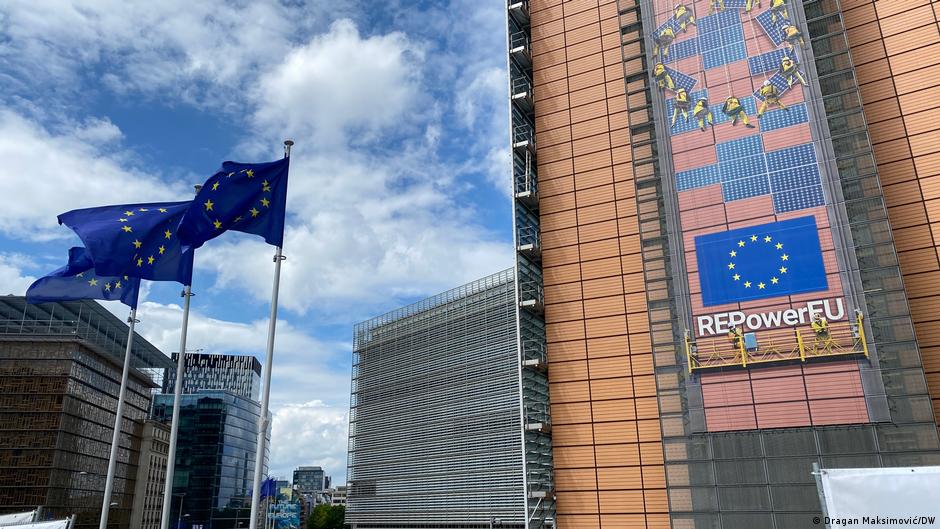
Belgium has issued one-day visas to five representatives of the Taliban to facilitate their participation in an upcoming European Union meeting in Brussels focused on migration and deportation policies relating to Afghanistan. The move has sparked debate among UK and European business and political circles, highlighting complexities in managing migration flows and security concerns amid evolving geopolitical dynamics.
EU Engagement with Taliban Amid Migration Challenges
The Belgian Ministry of Foreign Affairs confirmed that the visas, valid only for a single day within Belgium, were extended to these delegates to attend technical-level talks about the deportation of Afghan nationals from EU member states. The meeting aims to address the return of Afghan citizens who lack legal residence rights or pose security risks within the European Union.
"The visas are strictly limited to one day and only for presence on Belgian territory," said Audrey Jacqier, a spokesperson for the Belgian Foreign Ministry, who declined to specify the exact date of the visit citing security reasons.
According to reports, the Taliban representatives are slated to arrive in Brussels on June 23. This development follows the EU’s invitation extended earlier in May, seeking direct dialogue with the Taliban on migration management strategies.
Implications for UK and European Business Environment
The decision to engage with Taliban representatives touches upon broader concerns regarding migration policies and security, which directly affect the UK and European markets, including sterling volatility and investor confidence in London’s financial center. With over one million asylum applications from Afghan nationals recorded in the EU since 2013, and a significant number of these claims still pending, the EU’s approach to deportations is under intense scrutiny.
Eurostat statistics reveal that approximately half of Afghan asylum applications have been approved, marking a persistent challenge for European governments balancing humanitarian obligations against security concerns. The UK, although outside the EU, closely monitors these developments due to potential knock-on effects on migration flows and bilateral relations within the region.
Several EU countries, including Germany, have embarked on deportation efforts since the Taliban’s takeover of Afghanistan in August 2021. Germany alone has deported over 100 Afghan nationals since early 2024. However, human rights organizations warn that deportees—especially women, journalists, former government officials, and activists—face threats of persecution, arbitrary detention, and torture upon return.
Financial markets have responded to the evolving migration and security landscape with cautious sentiment. Sterling has experienced slight fluctuations amid concerns over regional stability and regulatory shifts linked to migration policy changes. London’s status as a global financial hub depends in part on the EU’s broader political climate and cooperation on security and immigration.
Balancing Security and Humanitarian Responsibilities
The EU’s engagement with the Taliban reflects an effort to secure cooperation on migration management despite the political and ethical complexities involved. It also underscores the need for clear, pragmatic policies that protect both regional security interests and human rights.
As the UK and EU continue to navigate post-Brexit relations, developments such as these are closely watched by policymakers and businesses alike, given their potential to influence migration patterns, security protocols, and economic stability across the continent.