Fuel Sales Restrictions in Russia Amid Rising Drone Attacks Impact Oil Production
Russia limits gasoline sales across 53 regions as drone strikes disrupt oil refining, affecting global markets and London's trading sentiment.
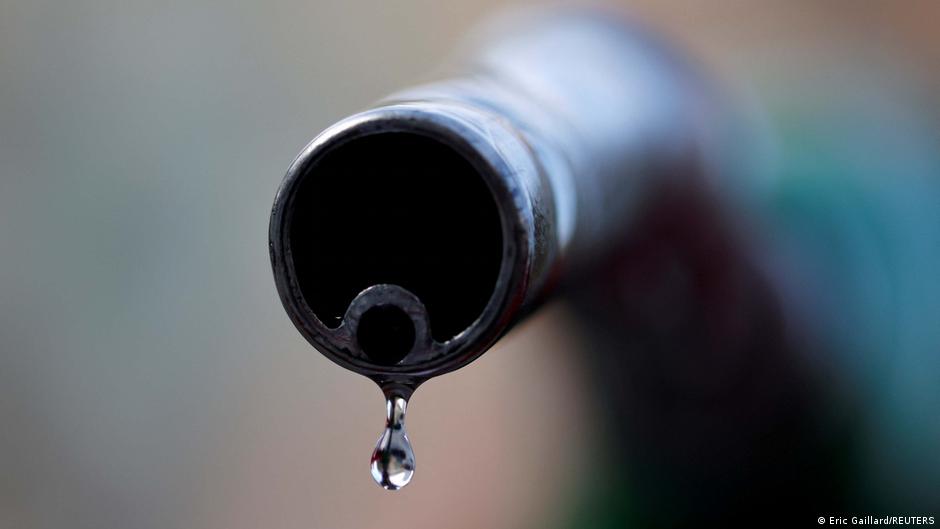
Russia is imposing widespread restrictions on retail fuel sales following a series of drone attacks targeting oil refineries and fuel depots, which have significantly slowed its oil industry operations. This development holds notable implications for the UK and European energy markets, particularly affecting sterling and London's commodity trading sectors.
Escalating Fuel Supply Concerns in Russia
Since mid-June, Russian authorities have introduced limits on gasoline and diesel sales in over 50 regions, including major areas such as Voronezh, Omsk, Irkutsk, and Saratov. For instance, from June 23, fuel retailer Lukoil has capped sales in Voronezh to 30 liters of gasoline and 60 liters of diesel per fill-up, with higher limits on highways. Similar caps—40 liters of gasoline and 80 liters of diesel—have been set in Omsk, and Saratov has restricted sales to 30 liters per vehicle until June 30.
The regional governors cite the need to curb artificial panic buying and speculative behavior amid an emerging fuel crisis triggered by regular Ukrainian drone strikes on key oil infrastructure. Some fuel stations have even ceased operations temporarily, signaling disruptions in the supply chain.
"Due to the fuel crisis, authorities have had to switch to manual management of fuel distribution," noted a regional official, underscoring the severity of the situation.
Additional restrictions have been reported in Amur, Tambov, Lipetsk, Tula, Tver, and Vladimir regions, indicating broad geographic impact. According to investigative reports, these measures cover not only parts of Russia but also territories annexed by Russia in Ukraine.
Impact on Global Energy Markets and UK Interests
The decline in Russian oil output, which dropped to a yearly low in May following intensified drone attacks, exacerbates supply uncertainties. Reuters data highlighted that most large oil facilities in central Russia were forced to reduce or suspend operations by late May.
For the UK and European markets, these disruptions increase volatility in global oil prices. London’s energy trading hubs have responded with cautious price adjustments, reflecting concerns over supply chain stability. Sterling has experienced fluctuations influenced by these developments, as energy costs and supply risks weigh on economic forecasts.
Moreover, Europe's dependence on Russian energy imports means that any sustained disruption could accelerate the region's strategic pivot towards diversified energy sources and increased investment in alternatives, impacting long-term market dynamics.
The unfolding fuel shortages in Russia underscore the interconnected nature of geopolitical tensions and commodity markets, highlighting the sensitive balance London and European traders must navigate amid ongoing conflict-related energy disruptions.