EU Commissioner Warns Serbia May Lose €1.5bn in Reform Funding Amid Democratic Backsliding
European Commission signals potential suspension of significant funds to Serbia over concerns about judicial independence and media freedom.
The European Union has raised serious concerns about Serbia’s adherence to democratic standards, threatening to withhold approximately €1.5 billion in financial support aimed at reform and EU integration. This development could impact the wider European economic landscape, including London’s financial markets, as the region navigates the geopolitical complexities of the Western Balkans.
EU’s Conditional Funding Linked to Democratic Progress
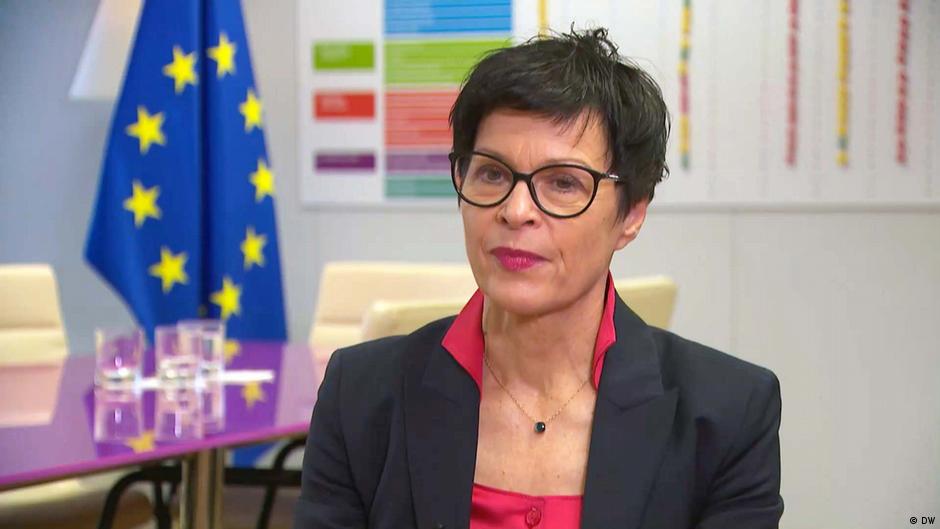
Marta Kos, the European Commissioner responsible for enlargement, addressed the European Parliament on April 20, highlighting the risk that Serbia might lose access to crucial EU funds. These funds are intended to support Serbia’s reform agenda as it pursues EU membership.
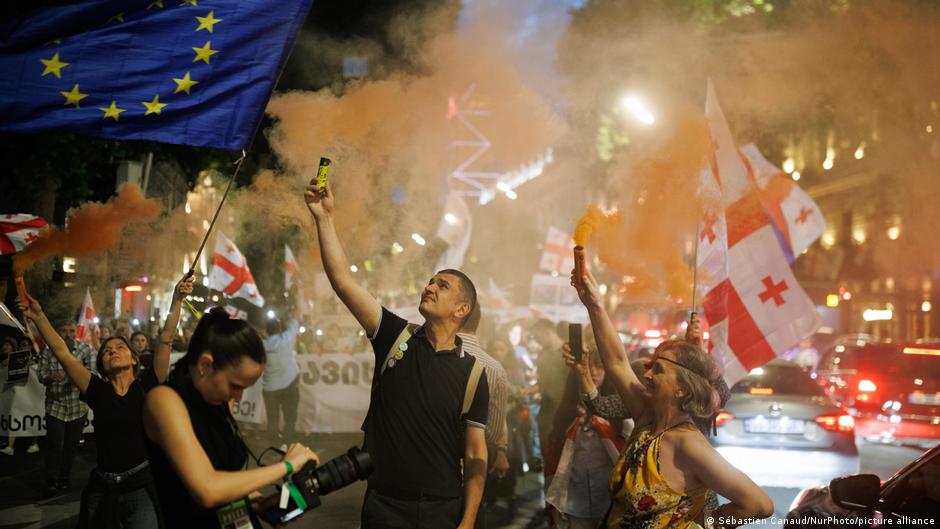
Commissioner Kos pointed out that the decision follows documented concerns over anti-democratic trends in Serbia, including setbacks in judicial independence, suppression of protests, and ongoing interference in independent media. Observers noted irregularities during Serbia’s municipal elections in March, further intensifying the EU’s scrutiny.
"We are increasingly worried about developments in Serbia," Kos stated, emphasizing the Commission’s ongoing evaluation of Serbia’s compliance with the conditions attached to reform funding.
While Serbia has already received approximately €100 million from the European Union, the majority of the allocated support, nearly €1.5 billion, remains contingent on progress in these critical areas.
Implications for UK and European Business
The potential suspension of funding to Serbia holds significant implications for UK and European businesses engaged in or eyeing opportunities in the Western Balkans. The EU’s financial support is a vital component of the region’s stability and economic development, which in turn affects investment confidence and trade flows.
London-based investors and companies with interests in Serbia or the broader Balkan market could face increased risk and uncertainty if democratic backsliding persists. Furthermore, the sterling exchange rate may experience fluctuations in response to shifting investor sentiment regarding regional stability and EU enlargement prospects.
The EU has intensified its focus on the Western Balkans since Russia’s full-scale invasion of Ukraine, wary of Kremlin efforts to destabilize the region. Serbia’s continued close ties with Russia, including President Aleksandar Vučić’s participation in Moscow’s Victory Day celebrations in 2023 and the country’s refusal to impose sanctions on Russia, complicate its relationship with the EU.
The European Commission expects Serbia to align its judicial legislation with recommendations from the Venice Commission, an EU advisory body on democracy and constitutional law, and to restore the independence of the media sector. The forthcoming Commission report on Serbia will be closely watched by policymakers and business leaders across Europe and the UK.
Serbia’s political course remains a critical issue for EU enlargement policy and regional security, with direct repercussions for economic and political ties across Europe, including London’s financial markets and broader European business interests.