Tashkent Markets Show Strong Profit Growth in 2025 Amid Varying Performances
Tashkent’s key markets, including agricultural and automotive sectors, recorded significant profit changes in 2025 with mixed outcomes across different venues.
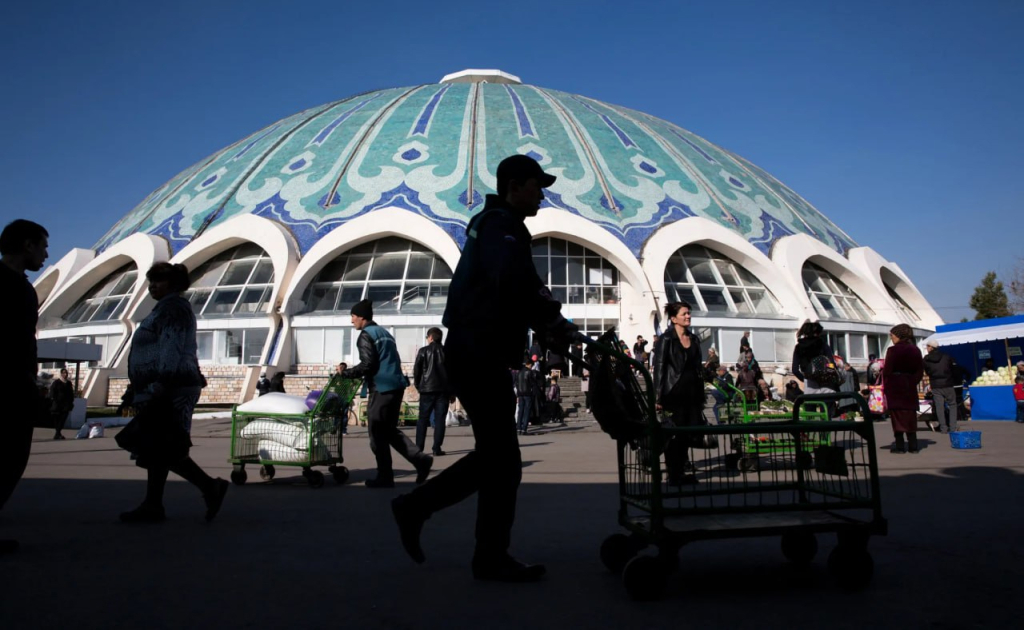
In 2025, Tashkent's markets delivered notable financial results, reflecting robust economic activity in Uzbekistan's capital. While most markets saw substantial profit increases compared to the previous year, some experienced declines, highlighting a dynamic commercial landscape.
Leading Market Performers
The "Askiya" agricultural market emerged as the most profitable in 2025, with annual profits soaring to 7.95 billion Uzbekistani som (UZS). This marks a remarkable increase from just 4.1 million UZS in 2024, underscoring the market's rapid growth and expanding trade volumes.
Following closely, the "Mirobod" market posted profits of 6.2 billion UZS, up by 1.8 billion UZS from the previous year. The "Farhod" market secured the third position with 3.7 billion UZS in profits, while "Chorsu" took fourth place with 3.1 billion UZS.
“The significant profit growth at 'Askiya' and 'Mirobod' markets reflects rising consumer demand and improved supply chain efficiencies within Tashkent's agricultural sector,” a local market analyst noted.
Additionally, the "Yunusobod" market maintained steady financial performance, with a slight profit increase of 50 million UZS, reaching 2.6 billion UZS in total.
Markets Facing Challenges
Contrasting these gains, the "Qo‘yliq" market reported a sharp profit decline of 1.6 billion UZS, dropping to 557.3 million UZS in 2025. This downturn points to challenges that may include heightened competition, shifts in consumer preferences, or supply disruptions.
Beyond agricultural markets, the "Sergeli" automobile market demonstrated exceptional profitability with net profits reaching 18.85 billion UZS, marking significant growth for the sector.
Implications for UK and European Stakeholders
The financial trends in Tashkent’s markets bear relevance for British and European investors, particularly those engaged in import-export activities and market expansion strategies in Central Asia. The sterling’s exchange rate against the Uzbek som, as well as the performance of these key markets, can influence trade costs and investment returns.
London-based firms monitoring emerging market dynamics may find opportunities in Tashkent’s booming agricultural and automotive sectors, especially given the strong profit growth in flagship markets such as "Askiya" and "Sergeli." However, the profit decline in markets like "Qo‘yliq" underscores the importance of market-specific analysis in investment decisions.
Overall, Tashkent's mixed market outcomes highlight a landscape of both promising growth and sector-specific challenges, informing European business strategies aimed at Central Asia’s evolving marketplaces.
Based on reporting by Deutsche Welle.