Poland and France Collaborate on Military Satellite Project to Boost EU Defence Independence
Joint Franco-Polish satellite aims to enhance military communications, reducing reliance on US-based Starlink system.
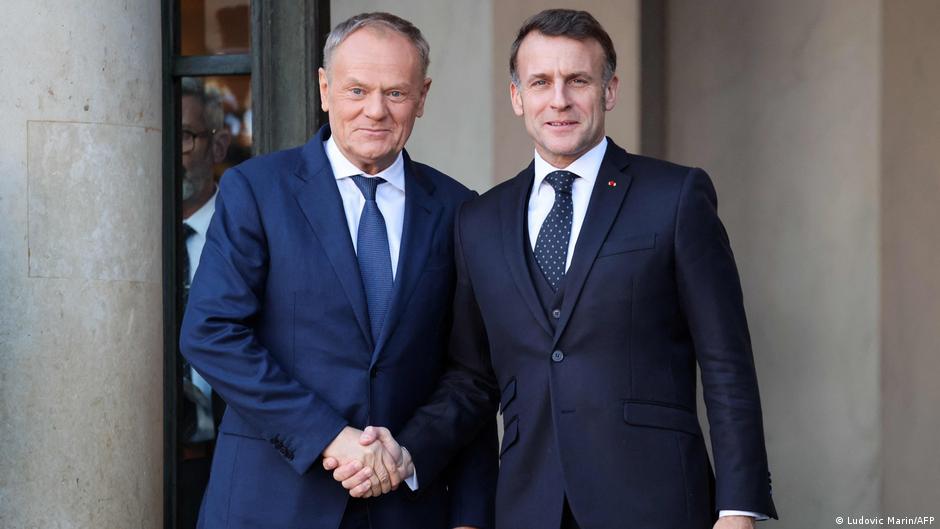
In a strategic move to strengthen European defence capabilities, Poland and France have announced a joint venture to develop a military communications satellite. The project was unveiled during a meeting in Gdansk between French President Emmanuel Macron and Polish Prime Minister Donald Tusk on April 20.
Enhancing European Military Autonomy
The new satellite will serve as a secure communications channel for the Polish armed forces, offering an alternative to existing services such as Starlink, which is owned by Elon Musk's US-based company SpaceX. The initiative reflects broader European ambitions to reduce dependency on foreign satellite networks, particularly amid geopolitical uncertainties.
The project involves collaboration between leading aerospace and defence firms including Thales Alenia Space, Airbus Defence and Space, and Polish company RADMOR. According to a press release from Thales Alenia Space, this effort aligns with the European Commission's defence plan aimed at ensuring the EU has sufficient independent military capabilities by 2030. Financial details of the deal remain undisclosed.
"Europe is striving to develop its own satellite services to mitigate reliance on external providers and to bolster strategic autonomy," the joint statement from Macron and Tusk emphasized.
For the UK and European markets, this development could influence defence spending priorities and technology investments, potentially opening opportunities for British companies specializing in space technology and secure communications. The sterling may also experience shifts driven by evolving defence procurement trends and closer EU partnerships.
Broader Strategic and Defence Cooperation
Beyond the satellite project, Macron and Tusk discussed critical topics such as nuclear deterrence, energy security, and the EU's Security Action for Europe (SAFE) initiative. The SAFE fund supports investments into European defence infrastructure, potentially impacting defence contractors and related industries across the continent.
Furthermore, they outlined plans for enhanced cooperation in missile defence, long-range weapon systems, and early warning systems against missile attacks. This signals a concerted effort toward integrated European defence systems, which could reshape the competitive landscape for defence suppliers in the UK and EU.
London's financial markets may respond to this news by monitoring potential shifts in defence contracts and cross-border collaborations. As the EU pursues autonomy in military communications systems, British firms face both challenges and opportunities in navigating a changing defence ecosystem.
In summary, the Franco-Polish military satellite project exemplifies the EU's push for strategic sovereignty in defence technology. For British and European business sectors, it marks a significant development in the evolving defence collaboration landscape, with implications for market dynamics, currency fluctuations, and industrial partnerships.