EU Initiates Quiet Diplomatic Contacts with Kremlin Amid Ukraine Conflict
European Council begins discreet talks with Moscow to explore potential ceasefire discussions, signaling cautious optimism in London and Brussels.
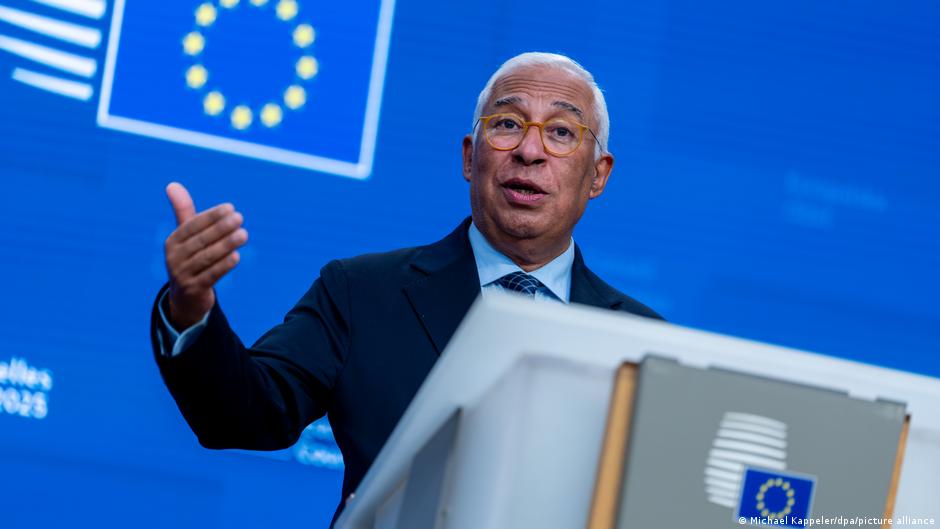
The European Union has reportedly engaged in discreet communications with the Kremlin with the aim of laying groundwork for future negotiations to end the conflict in Ukraine, according to confidential sources.
António Costa, President of the European Council, is said to have conducted behind-the-scenes discussions through his advisor, who held two telephone conversations with a high-ranking Russian official close to President Vladimir Putin. The timing and specific participants of these exchanges have not been publicly disclosed.
Implications for UK and EU Business Interests
While neither Costa’s office nor the Kremlin’s spokesperson, Dmitry Peskov, have commented on the contacts, the initiative reflects a broader European strategy to explore diplomatic avenues amid the ongoing war. The United Kingdom, though no longer an EU member, remains a key player in European security and economic stability, and closely monitors such developments.
“There is potential for talks with Putin,” Costa reportedly stated earlier in May, signaling cautious hope for a diplomatic resolution.
From a business perspective, the prospect of negotiations offers a potential easing of tensions that have unsettled markets across London and the EU. The prolonged conflict has contributed to volatility in sterling and European currencies, disrupted supply chains, and increased energy prices, impacting businesses and consumers alike.
The involvement of major European economies—Germany, France, and the UK—in strategising engagement with Moscow underlines the significance of these contacts. It is understood that these countries are coordinating efforts with Ukrainian President Volodymyr Zelensky to shape a unified approach towards peace talks.
Market observers in London are particularly attentive to how these diplomatic moves might influence sterling exchange rates and investor confidence. A breakthrough in talks could lead to a reduction in economic sanctions and gradual normalization of trade relations, which would be welcomed by British exporters and financial services sectors.
Conversely, the uncertainty around the conflict continues to weigh on the City’s outlook. Businesses remain cautious, watching for clear signs that diplomacy could translate into tangible improvements on the ground and in geopolitical risk assessments.
With military progress stalling for Russian forces and Ukraine intensifying counterattacks on Russian territory, European leaders see a strategic moment to encourage Moscow to the negotiating table. The economic costs of the war, including sanctions and energy disruptions, further motivate these efforts.
As these quiet dialogues unfold, London and Brussels stand at a critical juncture, balancing support for Ukraine with pragmatic diplomacy aimed at restoring stability to the region—a development that could have far-reaching benefits for UK and European markets.