Zaporizhzhia Nuclear Plant Loses External Power for 23rd Time Amid Conflict Impacting UK and EU Markets
The repeated power disruptions at Ukraine's Zaporizhzhia nuclear plant raise concerns for European energy security and influence sterling and London market reactions.
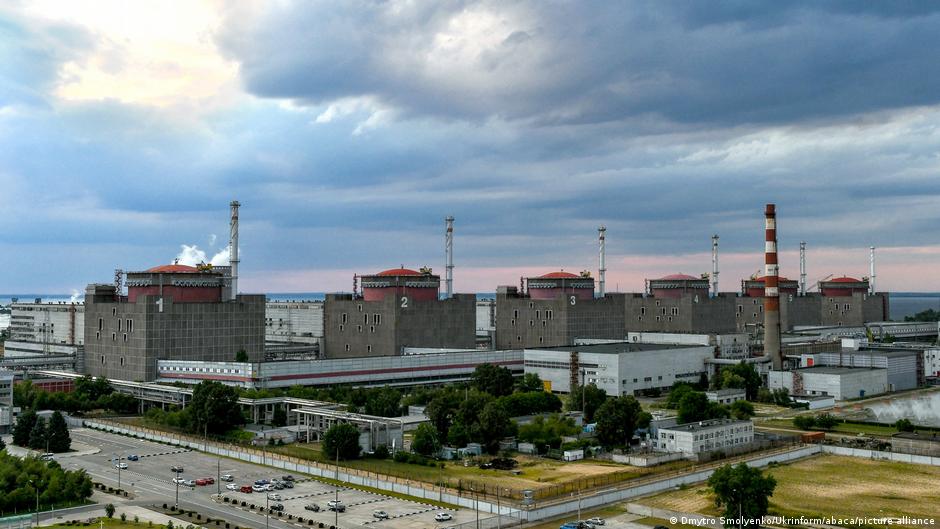
The Zaporizhzhia Nuclear Power Plant (ZNPP) in Ukraine, currently controlled by Russian forces, has lost its external electrical power supply for the 23rd time since the full-scale invasion began, according to the International Atomic Energy Agency (IAEA). This latest disruption underscores ongoing risks to nuclear safety and has significant ramifications for UK and European energy markets.
Implications for European Energy Security and Market Response
The ZNPP, Europe’s largest nuclear power station, briefly operated on emergency diesel generators for almost two hours to maintain critical reactor cooling systems. The IAEA has yet to determine the cause of the most recent power outage. These repeated power failures are raising alarms about the stability of energy supplies in the region amid ongoing hostilities.
"The power disruptions at Zaporizhzhia exacerbate regional energy supply risks and underscore the volatility affecting European markets," said an energy analyst.
The plant’s compromised power infrastructure comes at a time when the UK and EU are navigating energy security challenges exacerbated by geopolitical tensions. The British pound experienced minor volatility following the announcement, reflecting investor concerns over European energy stability. London’s energy and nuclear sectors are closely monitoring developments given the strategic importance of nuclear energy in diversifying Europe's power sources and reducing dependence on fossil fuels.
Additional complications include reported military escalations near the plant and the nearby city of Enerhodar, home to much of the plant’s workforce. The IAEA also noted prolonged internet outages and water supply issues at the facility, which further threaten nuclear safety protocols.
Since April 2022, ZNPP has been under Russian military control, situated in occupied Ukrainian territory. Satellite imagery analysis by Greenpeace Ukraine indicates ongoing construction of high-voltage power lines connecting Russian-held territories, including Melitopol and Henichesk, with the plant. This infrastructure is believed to facilitate Russia’s plans to integrate ZNPP into the energy grid of annexed regions and southern Russia, potentially shifting regional energy dynamics.
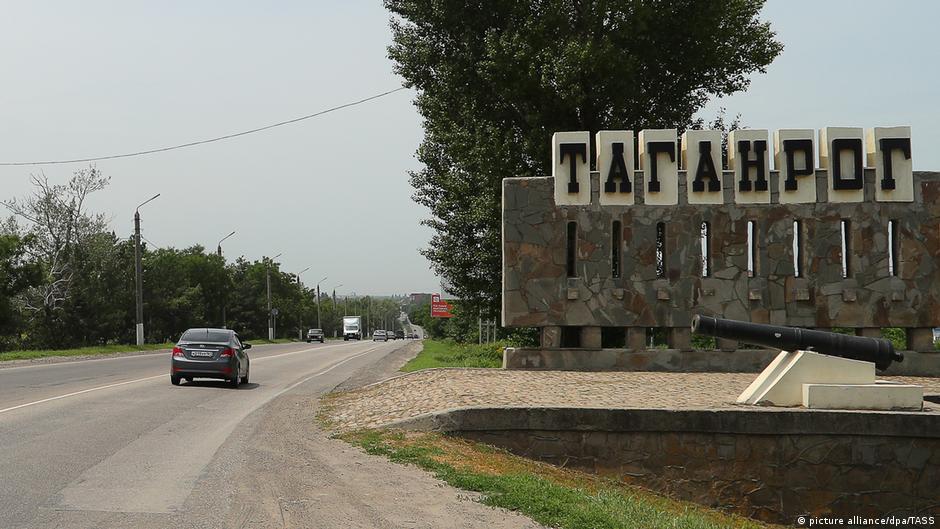
Greenpeace nuclear energy expert Jan Vande Putte highlighted that Russian state nuclear operator Rosatom views Zaporizhzhia as a cost-effective alternative to building new nuclear reactors in the Rostov and Krasnodar regions, demonstrating Moscow's strategic energy ambitions.
However, attempts to connect the plant to Russian-controlled power systems have faced setbacks. Notably, a Ukrainian drone strike in early July temporarily disrupted the substation in Henichesk, stalling integration plans.
For the UK and EU, these developments underline the fragility of the European energy landscape amidst geopolitical conflict. Market stakeholders are urged to consider the potential ripple effects on energy prices and supply chains, emphasizing the importance of diversified and secure energy sources.