Fake BBC Report Claims Stolen Cézanne Painting Found in Zelensky’s Office
Disinformation linked to Russian GRU-affiliated network spreads false story involving stolen art and Ukrainian president.
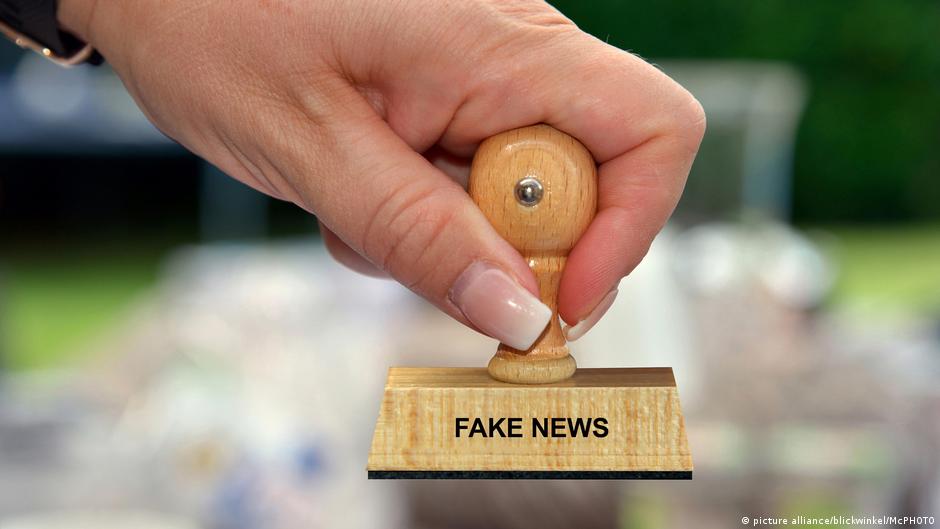
An online disinformation campaign falsely claimed that a stolen Paul Cézanne painting, Still Life with Cherries, was found in the office of Ukrainian President Volodymyr Zelensky. The fake video, bearing the BBC News logo, circulated widely on social media but was confirmed by BBC representatives as entirely fabricated.
Disinformation Network Tied to Russian Military Intelligence
French and European broadcasters France 24 and Euronews conducted investigations into the viral footage, revealing it to be part of a broader misinformation effort. Accounts spreading the false report alleged that Zelensky received the painting from criminal mafia groups. In one Twitter profile alone, the clip amassed over 400,000 views within hours.
“This network, operating for over three years, has orchestrated numerous disinformation campaigns targeting France and Western nations,” a source tracking the activity told France 24.
Experts from the Gnida Project, which monitors disinformation, identified the operation as a classic tactic of the "Storm-1516" network, which is linked to Russia’s GRU (Main Intelligence Directorate). The group is known for producing counterfeit media content to sow confusion and undermine trust in Western institutions.
Analysis confirms that the room shown in the footage actually displays works by Ukrainian artist Andriy Chebotaru, not the stolen Cézanne.
Authorities have previously connected "Storm-1516" to several campaigns targeting European countries, including those aimed at interfering with democratic processes and public opinion in France and across the EU. The French government agency Viginum has documented the network’s efforts to meddle in domestic affairs under false pretenses.
Additionally, Euronews links this latest disinformation push to "Matryoshka," another pro-Kremlin network engaged in spreading propaganda across Europe.
Implications for UK and European Markets
While this disinformation campaign centers on Ukraine and Russian intelligence operations, its ripple effects extend to London and broader European markets by affecting geopolitical stability and investor confidence. The British pound and EU assets remain sensitive to developments in the Russia-Ukraine conflict and related information warfare.
London-based financial institutions, closely monitoring regional tensions, view such disinformation campaigns as potential threats to market equilibrium, as they can influence sentiment and exacerbate geopolitical risks.
In this context, efforts to detect and counteract fraudulent media and propaganda contribute to safeguarding the integrity of financial markets and maintaining investor trust across the UK and EU.


