Ryanair to Close Berlin Base Amid Rising German Aviation Costs Impacting UK and EU Markets
Ryanair's decision to shutter its Berlin base highlights rising aviation taxes in Germany, affecting fare competitiveness and shifting capacity to more cost-effective EU hubs.
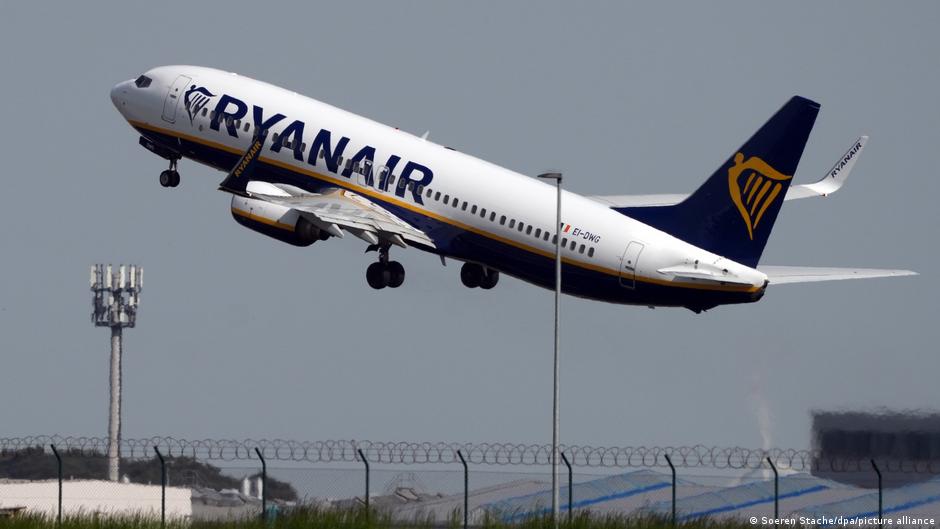
Ryanair, the Irish budget airline, announced it will close its base at Berlin Brandenburg Airport by October 2026, reducing flights to Berlin by 50% and relocating its seven aircraft to other, less costly European airports. This move underscores growing concerns over rising operational costs in Germany, which threaten the competitiveness of low-cost carriers and reverberate through European aviation markets, including those in the UK.
Impact of German Aviation Costs on Ryanair and European Connectivity
The airline stated that the annual passenger throughput to Berlin is expected to fall dramatically from 4.5 million to 2.2 million as a result of these cuts. Ryanair cited escalating airport charges and aviation taxes in Germany as central reasons for the downsizing. Notably, airport fees at Berlin Brandenburg are set to increase by another 10% between 2027 and 2029, following a 50% rise since the COVID-19 pandemic, even as passenger numbers have declined by approximately 30% since 2019.
"Germany's aviation policy has let down its citizens by relying heavily on high taxes and airport fees, making it too expensive for budget airlines to operate," said Ryanair CEO Eddie Wilson.
Specifically, aviation taxes per passenger have risen from €7.30 to €15.50 since 2019. Security charges are expected to double from €10 in 2024 to €20 by 2028, and air traffic management fees have increased from €1 to €3.30 per passenger. These hikes contribute to making Germany an increasingly expensive market for low-cost carriers.
By contrast, Ryanair plans to redeploy its aircraft to airports in countries with more favourable tax regimes, including Sweden, Slovakia, Albania, and Italy, where aviation taxes have been recently abolished or reduced. This strategic pivot reflects wider trends within the EU, where airlines are balancing operational costs with competitive pricing in a fragmented regulatory landscape.
Repercussions for UK and London Markets
The closure of Ryanair’s Berlin base is significant for UK and European business interests as it highlights how aviation tax policies can influence carrier capacity and route networks, with potential spillover effects on London’s connectivity and sterling-denominated travel demand.
London airports remain critical hubs for European traffic, including budget travellers who rely on competitive fare structures. Ryanair’s moves to consolidate operations in lower-cost EU countries could shift some passenger flows away from German hubs toward airports with lower charges, potentially increasing traffic via London or other British airports as passengers adjust itineraries.
Industry observers note that rising operational costs in continental Europe may benefit UK airports by attracting carriers seeking cost efficiencies and stable regulatory conditions. However, this is contingent on how the UK's own post-Brexit aviation policies evolve and whether London can maintain its appeal as a competitively priced gateway to Europe.
Responses from Berlin Brandenburg Airport and Ongoing Negotiations
Berlin Brandenburg Airport has disputed Ryanair’s claims regarding the scale of fee increases, stating that no such hikes are currently planned. Airport officials described Ryanair’s decision as unexpected and confirmed ongoing negotiations aimed at resolving the dispute.
Meanwhile, Ryanair intends to engage in consultations with its Berlin-based staff. According to the company, flight crew affected by the base closure will have opportunities to relocate within Ryanair’s extensive European network as the airline accelerates growth in other markets.
CEO Eddie Wilson described the German aviation sector as being "in crisis," criticizing the government’s lack of a coherent strategy to reduce taxes and airport charges. He referenced Ryanair’s earlier closures of bases in Frankfurt, Düsseldorf, and Stuttgart, and cancellation of routes to Dresden, Leipzig, and Dortmund as part of a broader retreat from high-cost German airports.
This development serves as a bellwether for how regulatory and fiscal environments within the EU influence airline network strategies, with direct implications for passenger choices, ticket pricing, and the competitive dynamics of European and UK aviation markets.


