US Ends Temporary Exemptions on Russian and Iranian Oil Sanctions, Impacting UK and EU Markets
Washington will not renew sanction exemptions allowing purchase of Russian and Iranian oil cargos at sea, signaling shifts in global energy trade affecting London and European markets.
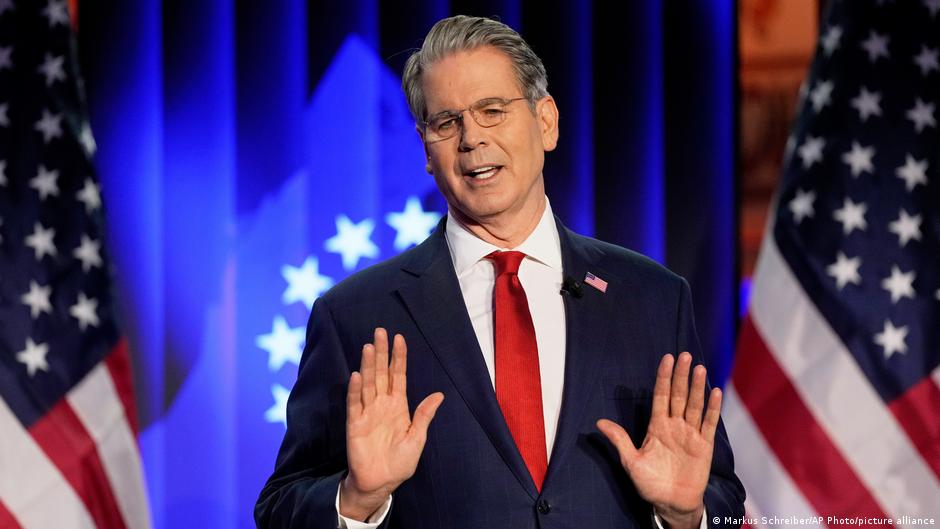
The United States has announced it will not extend temporary exemptions from sanctions that permitted countries to buy Russian and Iranian oil products already en route at sea. This decision, confirmed by US Treasury Secretary Scott Bessent, marks a significant tightening of restrictions that could reverberate through UK and European markets.
US Sanctions Shift and Market Implications for Britain and Europe
In an interview published on April 24, Secretary Bessent clarified that the temporary waivers, which had allowed vulnerable and low-income countries to purchase Russian and Iranian oil cargos already loaded onto tankers, would not be renewed. The US Treasury official emphasized that the initial exemptions were granted following requests from over ten of the world's poorest nations during recent World Bank and IMF meetings but indicated that another extension is unlikely as most Russian oil shipments currently at sea have been delivered.
"I can’t imagine we will have another extension. I think Russian oil on the water is mostly exhausted," Bessent said.
For the UK and European Union, which remain heavily dependent on imported energy, the end of these waivers signals potential supply tightening and increased price volatility. London’s energy trading hubs and the sterling’s exposure to energy sector fluctuations could face renewed pressure as markets adjust to reduced flexibility in Russian and Iranian oil flows.
Moreover, Bessent suggested that growing pressure on Iran will soon compel Tehran to cut oil production, which may further exacerbate supply constraints. "We believe within the next two to three days they will have to start cutting production, which will be very bad for their wells," he said. Reduced Iranian output combined with stricter sanctions enforcement against Russia could result in significant disruptions to global energy supply chains, directly influencing European energy security and economic recovery efforts.
Previously, on April 18, reports indicated the US had extended licenses permitting sales of Russian oil and petroleum products loaded on tankers until May 16. However, Bessent had previously stated that no further renewals were anticipated.
The initial US easing of sanctions on Russian oil in mid-March aimed to mitigate soaring energy prices triggered by the conflict in Ukraine and disruptions to the Strait of Hormuz. These temporary measures were described as narrowly targeted and short-term, intended to minimize the impact on Russia's oil revenues. However, according to The New York Times, following the relaxation, Russia reportedly gained over $100 million daily in additional oil export revenues.
The move to end these exemptions has faced criticism from various quarters, including Ukrainian President Volodymyr Zelensky and Ukraine's ambassador to the United States, Olga Stefanishina, who warned against measures that could indirectly bolster Moscow's financial capacity amid ongoing conflict.
For the UK and EU, balancing energy security with geopolitical sanctions remains a delicate challenge. As the US hardens its stance, London-based traders and policymakers must anticipate tighter supply conditions and potential price spikes in oil and related commodities, with sterling and European markets closely monitoring developments.


