German Bundestag Chief’s Signal Account Hacked Amid Ongoing Phishing Attacks Targeting EU Politicians
Cyberattack on Bundestag chair Julia Klöckner’s Signal account raises security concerns across European political circles.
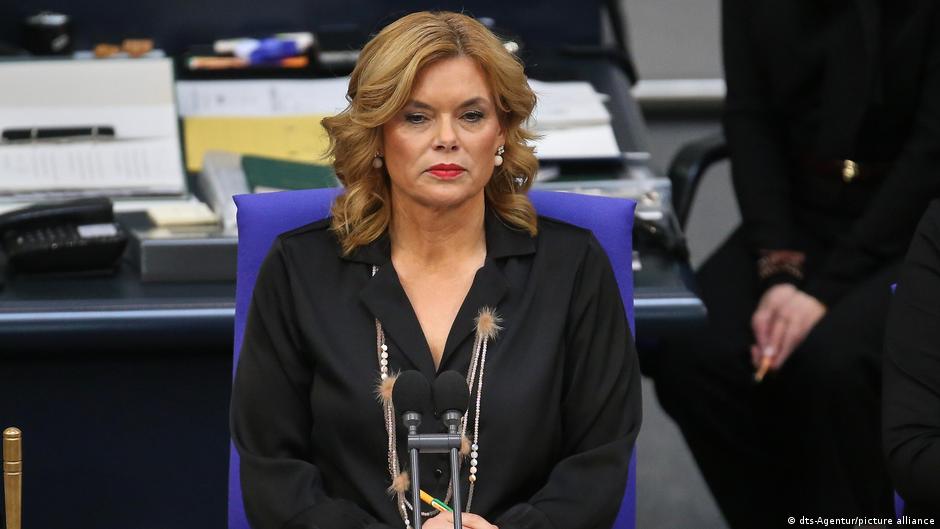
The Signal account of Julia Klöckner, chair of the German Bundestag and vice-chair of the Christian Democratic Union (CDU), was compromised in a phishing attack amid ongoing cyber threats targeting high-profile European figures.
Implications for European Political Security and UK-EU Relations
According to reports from German media, the breach extended to a group chat used by the CDU presidium, which includes Chancellor Friedrich Merz, further underscoring the severity of the cyber infiltration. The German Federal Office for the Protection of the Constitution (BfV) has informed Chancellor Merz and inspected his device, finding no signs of compromise.
However, the incident has heightened concerns over the robustness of political communications security within the EU, particularly given the suspected involvement of Russian hackers. The breach reflects a broader wave of phishing attacks targeting politicians, diplomats, military officials, and investigative journalists across Germany.
"It must be assumed that currently attackers are covertly intercepting data from multiple parliamentary groups using the Signal app," a confidential BfV document warned, illustrating the scale and stealth of the ongoing cyber threat.
The BfV has distributed an extensive report to parliamentary leaders detailing these persistent phishing attempts, which have reportedly affected at least 300 individuals in Germany alone. The report emphasizes the likelihood that many more breaches remain undetected.
For London and the UK market, this development underlines the growing cybersecurity challenges facing European political institutions. London-based firms specializing in cyber defense may see heightened demand as EU governments seek to shore up vulnerabilities ahead of critical policy negotiations and economic cooperation talks with the UK.
Moreover, the sterling exchange rate might experience short-term fluctuations as geopolitical uncertainty rises due to heightened cyber threats impacting EU political stability. Investors often react to such risks when assessing the financial landscape of the Eurozone and its trading partners, including the UK.
While CDU officials have refrained from confirming the breach publicly, citing parliamentary security protocols, the episode serves as a stark reminder of the digital vulnerabilities faced by democratic institutions in an increasingly interconnected political environment.
As UK and EU policymakers continue to negotiate complex economic and security partnerships post-Brexit, robust cybersecurity measures will be essential to protect sensitive communications and maintain market confidence.


